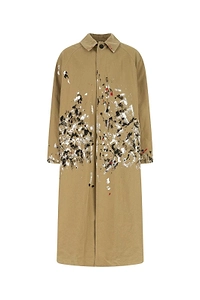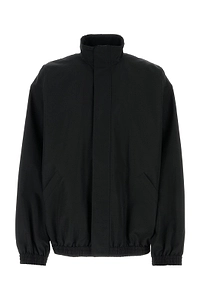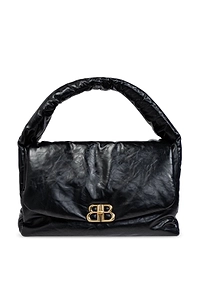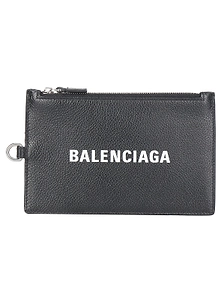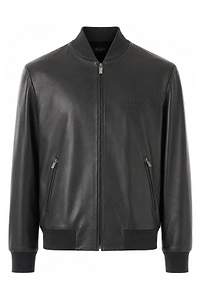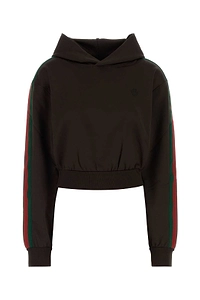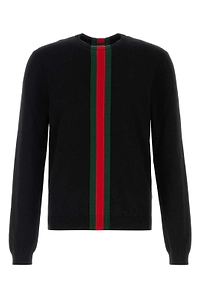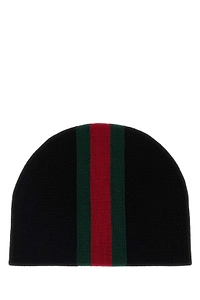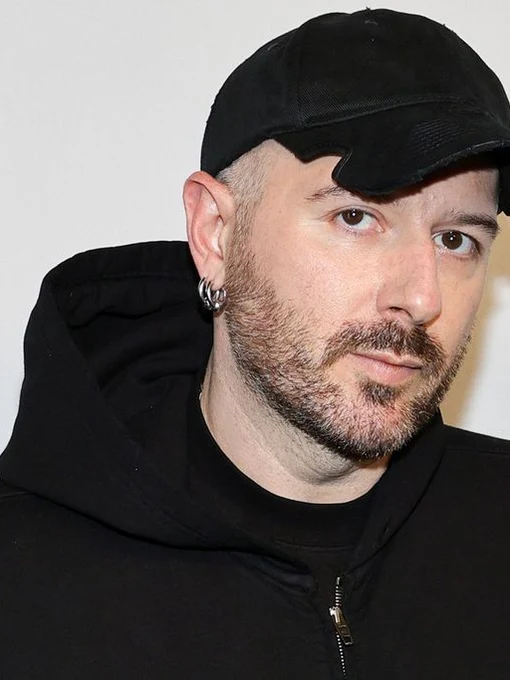
Demna Gvasalia
Georgian designer known professionally as Demna, co-founder of Vetements, Balenciaga artistic director 2015-2025, and Gucci's artistic director.
The designer born Demna Gvasalia now works under one name: Demna. He made that professional change in 2021, partly because his surname was so often misspelled or mispronounced and partly because he wanted to separate his Balenciaga work from his earlier career. Since July 2025 he has been artistic director of Gucci, following a decade at Balenciaga and five years as the creative force behind Vetements. (British Vogue; Kering)
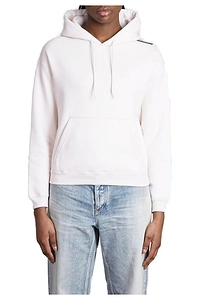
Demna is often reduced to hoodies, enormous sneakers and internet provocation. That misses the tension that makes his work important. He is a technically trained designer who uses the cut and construction of couture to elevate familiar clothes: the security guard's jacket, the office worker's suit, the tourist's souvenir T-shirt, the commuter's trainer. His subject is not simply streetwear. It is the way status, power and desire become attached to ordinary things.
Childhood, displacement and Antwerp
Demna was born in Sukhumi, in what was then Soviet Georgia, in 1981. During the war in Abkhazia his family fled their home; he has recalled crossing the Caucasus with little more than a backpack and a family photo album. The family subsequently lived in Ukraine and Germany. That experience of being displaced—of reading uniforms, language and dress to understand where one belongs—later entered his collections directly, most explicitly in Vetements's Spring 2019 collection and Balenciaga's Winter 2022 show after Russia invaded Ukraine. (The New Yorker; Numéro Tokyo)
He first studied international economics at Tbilisi State University. After moving to Düsseldorf, he entered the fashion department at Antwerp's Royal Academy of Fine Arts in 2002 and graduated in 2006. The Academy record confirms the dates; Demna has described its lasting lesson as learning to build garments for himself rather than designing abstractly for a hypothetical customer. (Royal Academy of Fine Arts Antwerp; System)
After graduation he presented an early collection at Tokyo Fashion Week and worked with his former teacher Walter Van Beirendonck. In 2009 he joined Maison Martin Margiela, working on womenswear until 2013, then became a senior designer in Louis Vuitton's women's studio. Margiela supplied an education in anonymity, repurposing and the intelligence of an existing garment; Vuitton showed him how a global luxury house turns an idea into a product. (Kering's 2015 appointment announcement)
Vetements: familiar clothes made strange
Demna co-founded Vetements in 2014 with his brother Guram and a small, initially anonymous group of collaborators. Even the name—French for “clothes”—was a statement of intent. Instead of inventing fantasy wardrobes, the team began with garments people already knew and altered their proportions, construction and context. The Fall 2015 show at the Paris club Le Dépôt turned elongated sleeves, reconstructed denim, floral dresses and generic uniforms into the season's most discussed collection. Vetements reached the final of the 2015 LVMH Prize after only a few seasons. (Vogue; LVMH Prize)
The DHL T-shirt from Spring 2016 became the shorthand for the label, but its point was larger than putting a courier logo on an expensive top. Vetements exposed how authorship, scarcity and a runway could change the perceived value of something visually mundane. Its oversized hoodies, sliced-and-joined jeans and off-kilter tailoring required real pattern work; the joke would not have travelled without convincing clothes beneath it. The all-collaboration Spring 2017 collection—with partners including Levi's, Reebok, Brioni, Canada Goose and Comme des Garçons Shirt—also anticipated the collaboration-heavy fashion system that followed. (Vogue)
Demna announced his departure from Vetements on 16 September 2019, saying that he had completed his mission there, and continued at Balenciaga. Guram and the company carried the label forward. (Vogue)
Balenciaga: the street and the archive
Balenciaga appointed Demna artistic director on 7 October 2015. His first women's show, Fall 2016, opened not with a hoodie but with an hourglass suit: a narrow waist, forceful shoulder and exaggerated hip derived from Cristóbal Balenciaga's mid-century silhouettes. That look established the method for the next decade. Demna did not choose between house history and contemporary clothing; he made them disturb one another. (Kering; Cristóbal Balenciaga Museum)
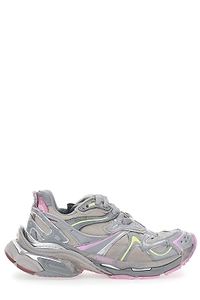
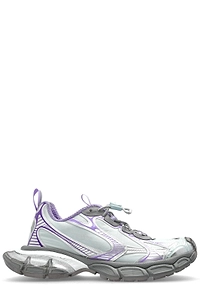
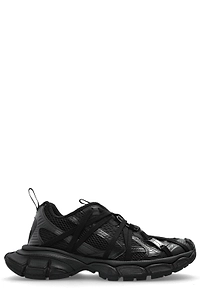
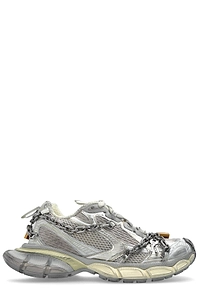
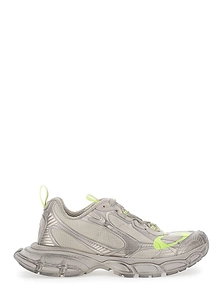
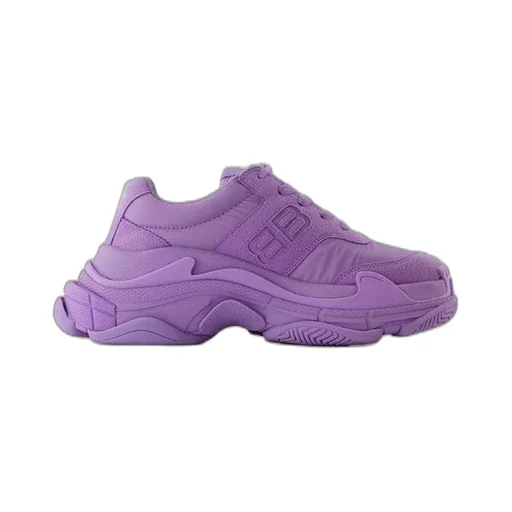
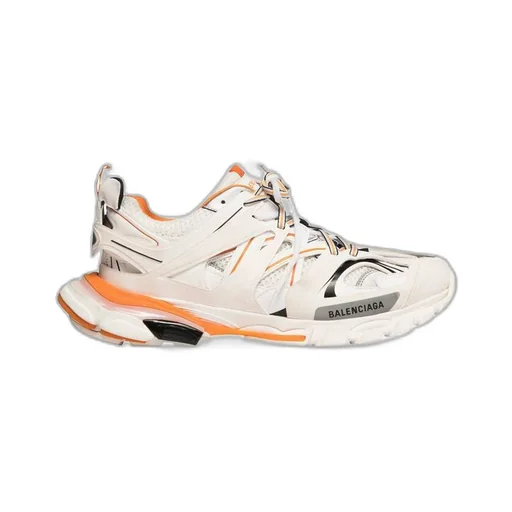
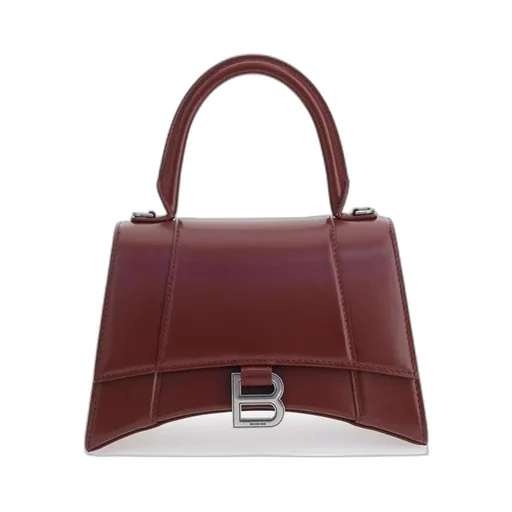
Several products turned that method into the visual vocabulary of late-2010s fashion. The Triple S, presented in the Fall 2017 men's show, stacked the shapes of three athletic soles into a deliberately heavy “dad sneaker.” The sleeker Speed trainer made a stretch-knit sock into luxury footwear; the layered Track followed in 2018. The Hourglass bag, introduced for Fall 2019, translated the curved base and cinched line of his debut tailoring into a handbag. These objects were widely copied because their silhouettes remained identifiable even without a logo. (System; Kering heritage booklet)
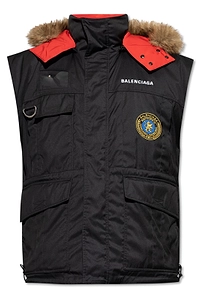
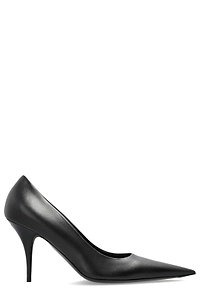
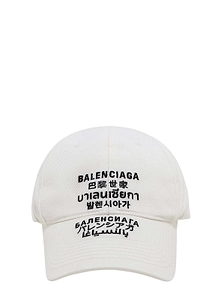
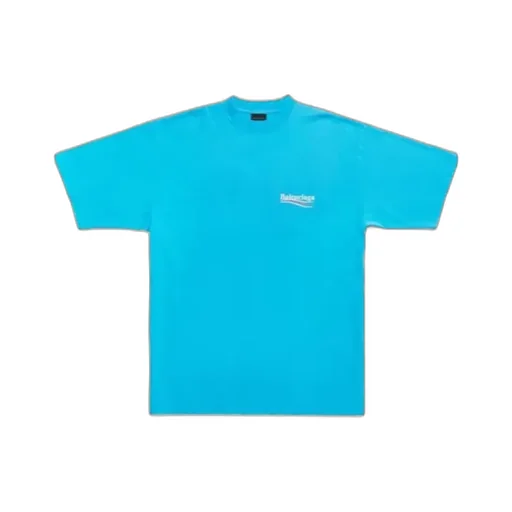
The Political Campaign logo first appeared in the Fall 2017 men's collection, a show built around corporate dress. Its red, white and blue typography closely resembled Bernie Sanders's 2016 presidential campaign identity, with “Balenciaga” substituted for the candidate's name. Demna described political campaign graphics as one more form of corporate branding rather than a declaration of party allegiance. The motif moved from the runway to hoodies, caps, scarves and T-shirts, and then back into the women's collection as fabric wrapped around pumps. It remains one of the clearest examples of his interest in how a graphic acquires authority. (Vogue interview; Vogue report)
Couture, spectacle and controversy
On 7 July 2021, Demna presented Balenciaga's 50th couture collection in the restored salons at 10 Avenue George V—the house's first couture collection since Cristóbal Balenciaga closed his salon in 1968. T-shirts and denim appeared beside architectural tailoring and hand-finished gowns. The combination clarified that Demna's everyday references and his command of couture were one practice, not opposite halves of the brand. He went on to design five annual couture collections for the house. (Balenciaga)
His runway productions could function as autobiography and current-affairs commentary. For Winter 2022, models struggled through an artificial snowstorm while the audience received Ukrainian-flag-coloured T-shirts. Demna wrote that the invasion had reawakened his own childhood trauma as a refugee. The show was powerful because the spectacle had a biographical source, although his work's repeated use of crisis imagery also made the boundary between witness and marketing a continuing subject of debate. (Vogue Runway)
That debate became a crisis in November 2022. One Balenciaga holiday campaign showed children holding teddy-bear-shaped bags styled with punk harnesses; a separate office-themed campaign included, in the background, a page from a US Supreme Court decision concerning child-abuse imagery. The house withdrew the images. Demna apologised for approving the holiday concept and accepted responsibility for the failure of oversight, while rejecting claims that the campaigns were intended to endorse abuse. The episode matters in a complete account of his tenure: it exposed the risks of a house culture built around provocation, and his following collections deliberately returned attention to clothes and construction. (British Vogue)
Demna closed his Balenciaga chapter with the 54th couture collection on 9 July 2025. Its exaggerated hourglass tailoring returned to the silhouette with which he had begun, now made through re-engineered corsetry. It was his first bow after a Balenciaga show and an unusually personal ending to a tenure spent resisting the conventional public role of the star designer. (Balenciaga; Vogue Runway)
Gucci, 2025–present
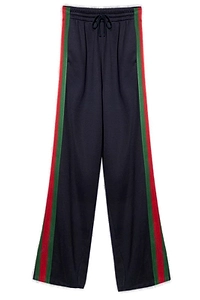
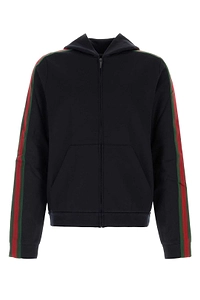
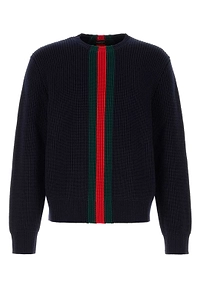
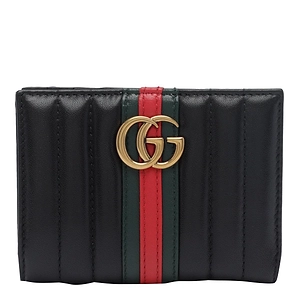
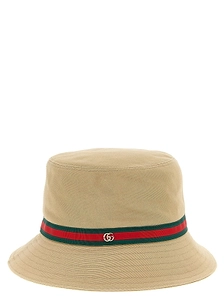
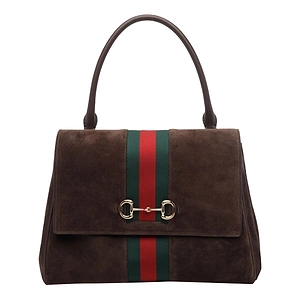
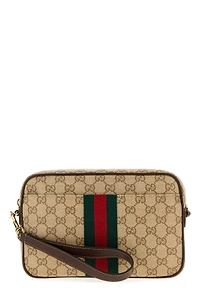
Kering announced Demna as Gucci's new artistic director on 13 March 2025, effective in early July. His first project, La Famiglia, arrived that September as a lookbook of Gucci archetypes—a contessa, an heiress, a party boy, a “mamma's boy”—followed by The Tiger, a short film directed by Spike Jonze and Halina Reijn. Instead of importing Balenciaga wholesale, he began by studying the personalities and eras already attached to Gucci. (Kering; Gucci)
His first Gucci runway show, Primavera, took place in Milan on 27 February 2026. Its close-to-the-body tailoring, sensual dresses, Flora print and references to both Tom Ford and Alessandro Michele announced a lighter, more polished vocabulary than the deliberate bulk of much of his Balenciaga work. A Resort 2027 show in Times Square followed in May. These collections are the beginning of the story rather than a settled verdict: as of September 2026, Demna remains Gucci's artistic director. (Gucci; Vogue Runway)
Reading and dating the work
A useful way to read Demna is to look past the meme first. Notice where a shoulder sits, how far a sleeve falls beyond the hand, whether a familiar logo has been moved into an unfamiliar social setting, and how an ordinary garment has been rebuilt. The graphic provocation attracts attention; the control of silhouette is what makes the work recognisable.
For resale dating, Balenciaga pieces released from October 2015 through Spring 2026 may belong to Demna's design period: fashion production and retail delivery continued beyond his final show. A tenure date alone therefore cannot prove the authorship of an individual item. Labels, product codes and season records provide the stronger check; see how to date a Balenciaga garment or bag by its label.
References
- Kering. “Balenciaga appoints Demna Gvasalia as artistic director of the collections.” 7 October 2015.
- Kering. “Demna appointed Artistic Director of Gucci.” 13 March 2025.
- Royal Academy of Fine Arts Antwerp. “Curriculum vitae: Demna Gvasalia.” 2006.
- National Parliamentary Library of Georgia. “Demna Gvasalia.” Georgians Abroad.
- Joshua Hunt. “The Button-Pushing Impresario of Balenciaga.” The New Yorker, 20 March 2023.
- Anders Christian Madsen. “Demna on the Record.” British Vogue, 9 February 2023.
- Ako Tanaka. “Interview: Demna Gvasalia.” Numéro Tokyo, 4 March 2016.
- Jonathan Wingfield. “Balenciaga: Demna Gvasalia.” System, Issue 18, 2022.
- Lynn Yaeger. “Vetements Is the New Cool Grit Factor.” Vogue, 17 September 2015.
- LVMH Prize. “Vetements by Demna Gvasalia.” 2015 finalist profile.
- Steff Yotka. “Demna Gvasalia Is Stepping Down From Vetements.” Vogue, 16 September 2019.
- Steff Yotka. “8 Ways Demna Gvasalia Disrupted Fashion at Vetements.” Vogue, 16 September 2019.
- Steff Yotka. “Bernie Sanders's Logo Reappears at Balenciaga's Fall 2017 Show.” Vogue, 5 March 2017.
- Vogue. “Balenciaga's Demna Gvasalia on the Fall 2017 Collection.” 15 March 2017.
- Kering. “The Hourglass Waist.” Balenciaga heritage booklet, 2024.
- Cristóbal Balenciaga Museum. “Balenciaga: The Subtleties of a Dialogue.” 2025.
- Balenciaga. “50th Couture Collection.” 7 July 2021.
- Sarah Mower. “Balenciaga Fall 2022 Ready-to-Wear.” Vogue Runway, 6 March 2022.
- Balenciaga. “54th Couture Collection.” 9 July 2025.
- Sarah Mower. “Balenciaga Fall 2025 Couture.” Vogue Runway, 9 July 2025.
- Gucci. “Gucci: La Famiglia.” September 2025.
- Gucci. “Gucci Primavera.” 27 February 2026.
- José Criales-Unzueta. “Gucci Resort 2027.” Vogue Runway, 17 May 2026.
- 生年
- 1981年3月25日
- 原語表記
- დემნა გვასალია
- 別名
- Demna
- 学歴
- Royal Academy of Fine Arts Antwerp
- 受賞
- The Fashion Awards, 2018Order of Merit (Ukraine), 3rd class