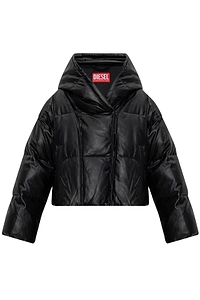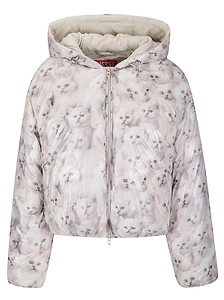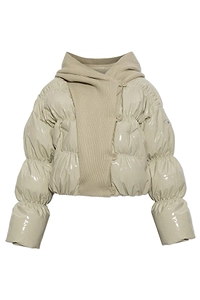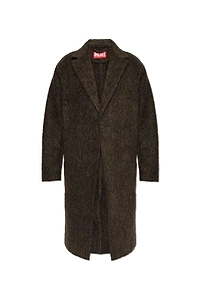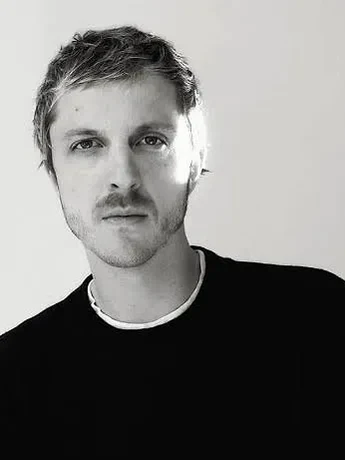
Glenn Martens
Belgian designer known for transforming Y/Project and Diesel through distorted construction, and creative director of Maison Margiela since 2025.
Glenn Martens designs by making a familiar garment misbehave. A pair of jeans sprouts two waistbands; a shirt twists away from the torso; a wire lets the wearer redraw the shape of a collar; a respectable coat appears to have been put on incorrectly and then tailored in that position. The jokes are immediate, but the construction behind them is serious. That combination carried Martens from the cult Paris label Y/Project to the revival of Diesel, and in January 2025 to Maison Margiela, where he succeeded John Galliano. He currently directs Margiela and Diesel at the same time. (OTB; Vogue)
Martens is often grouped with other Belgian deconstructionists, especially Martin Margiela. The lineage is real: both studied at Antwerp, value second-hand material and expose the instability of ordinary clothes. Yet Martens is more baroque, more visibly comic and often more interested in giving the customer several ways to perform one garment. His work moves between a Flemish taste for melancholy and a delight in bad taste, rave energy and visual excess.
From interior design to Antwerp fashion
Martens was born on 29 April 1983 in Soest, Germany, and grew up in Bruges, Belgium. His own graduation curriculum vitae records the distinction, correcting profiles that simply list Bruges as his birthplace. He studied interior design at Sint-Lucas in Ghent from 2001 to 2004, then entered the fashion department of Antwerp's Royal Academy of Fine Arts and graduated first in his class in 2008. (Royal Academy of Fine Arts Antwerp)
The architectural education never disappeared. Martens thinks of clothes as structures whose internal rules can be altered: where an opening sits, how a plane wraps around a body, and whether a rigid element can hold fabric in an improbable curve. During his final year, Jean Paul Gaultier recruited him to work on the women's pre-collection and the G2 men's line. He later became first assistant to Yohan Serfaty, the designer who co-founded Y/Project, and also consulted for brands including Weekday and Bruno Pieters's Honest By. In February 2012 he launched a namesake womenswear line, but closed it after three seasons, exhausted by running every part of a tiny company himself. (Hyères Festival biography; Fantastic Man)
Y/Project: the garment as a set of possibilities
After Serfaty's death in 2013, Y/Project co-founder Gilles Elalouf asked Martens to take over the label. The early collections respected its dark, narrow menswear, but by Fall 2016 Martens had found a much more elastic formula. He mixed street staples—denim, bombers, fleece, tracksuits and checked shirts—with aristocratic drape, ecclesiastical volume and deliberately confusing construction. The result could be elegant, vulgar and funny at once. (Le Monde)
Many Y/Project pieces were modular rather than merely oversized. Extra buttons or doubled collars let the wearer close a shirt in several directions. Wire embedded in a neckline, jean leg or coat hem could be bent into a new silhouette. The famous multi-waist and cut-out jeans made the act of putting on trousers visible: waistbands nested, peeled away or slid toward the hip. Martens was not offering one correct styling. He left part of the authorship with the person wearing the garment. (Vogue; System)

The label's collaborations extended that instability to mass-known objects. Y/Project turned an Ugg boot into a thigh-high slouching column, enlarged Melissa's moulded plastic shoes and played with Jean Paul Gaultier's body prints. Such pieces circulated widely online, but they also demonstrated a consistent idea: an archetype becomes newly visible when its proportions or social context are wrong. (Vogue)
Y/Project won the ANDAM Grand Prize in 2017 and gave Martens the creative credibility to take on much larger houses. He stepped down in September 2024 amid financial strain and the illness of Elalouf, who died soon afterwards. The company ceased operations in January 2025. Martens had tried to preserve it, which makes the ending different from a designer simply leaving for a bigger job. (Hyères Festival; Le Monde)
Diesel: denim, desire and a mass audience
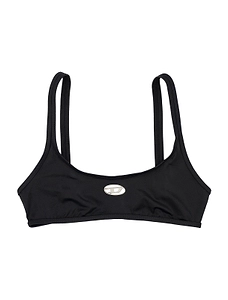
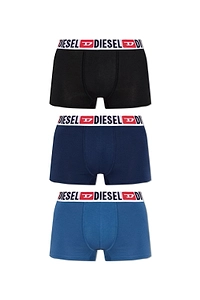
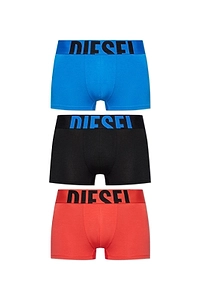
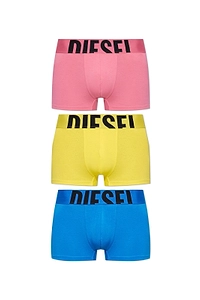
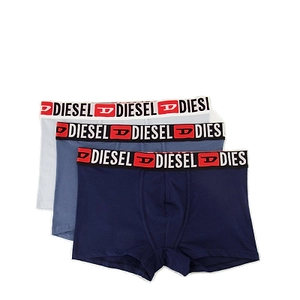
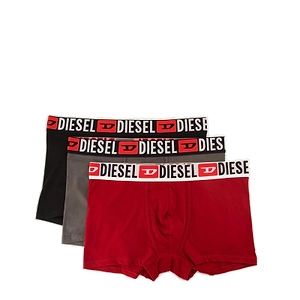
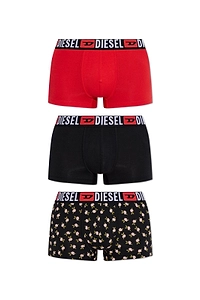
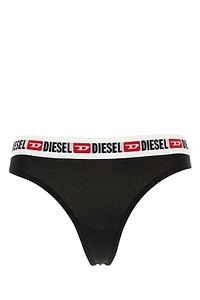
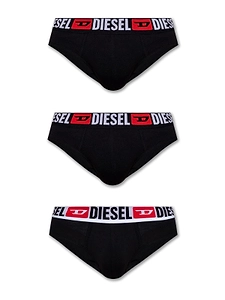
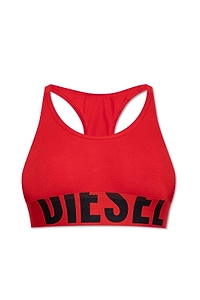
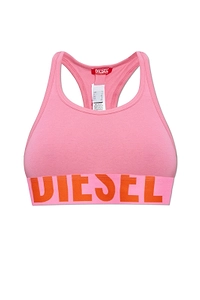
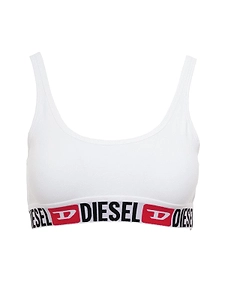
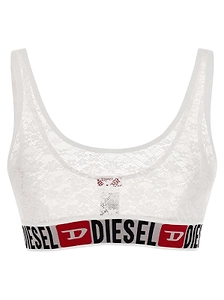
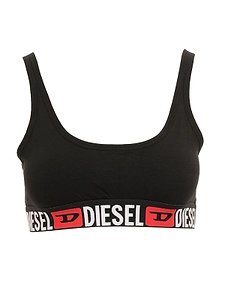
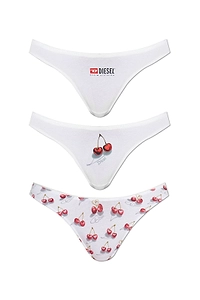
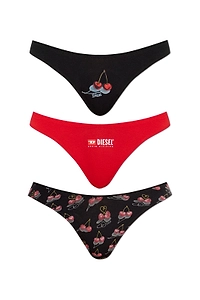
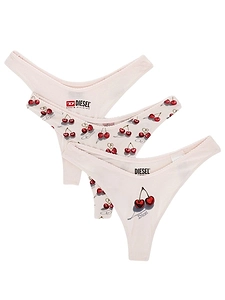
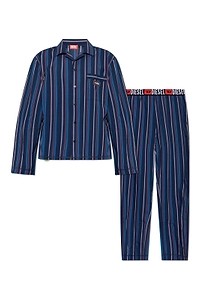
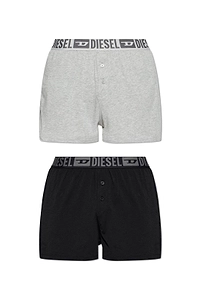
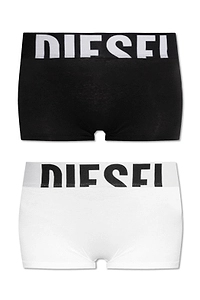
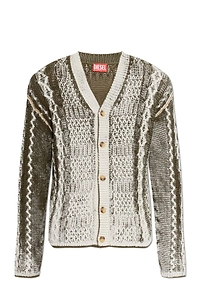
Diesel appointed Martens creative director on 8 October 2020. The scale changed immediately: he has contrasted Y/Project's studio of roughly twenty-five people with Diesel's workforce of hundreds and its far lower entry prices. Rather than making Diesel behave like a small conceptual label, he treated its own late-1990s and early-2000s history—provocative advertising, distressed denim, club culture and the red “D”—as valuable raw material. (British Vogue; Vogue France)
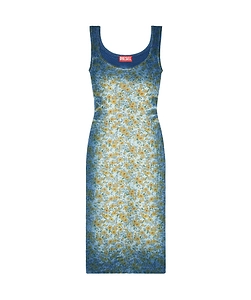
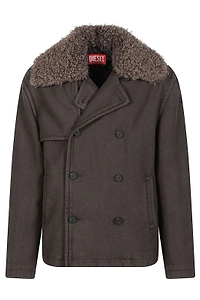
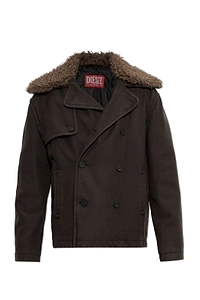
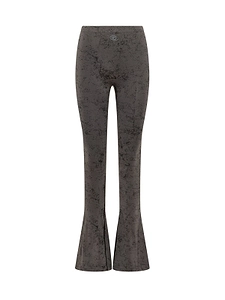
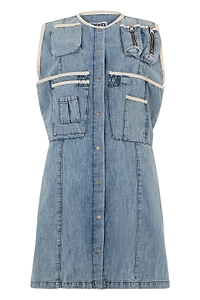
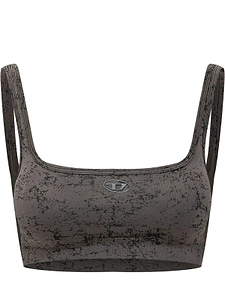
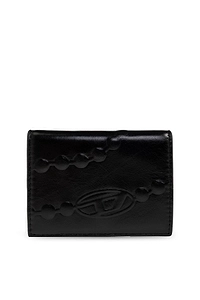
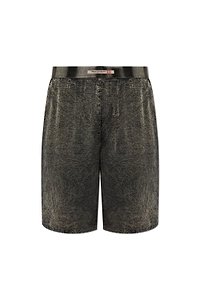
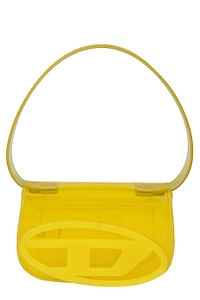
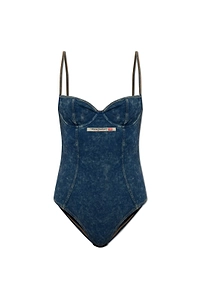
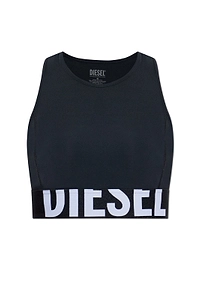
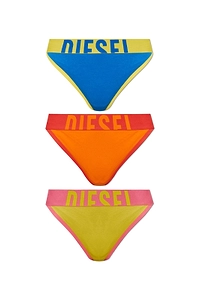
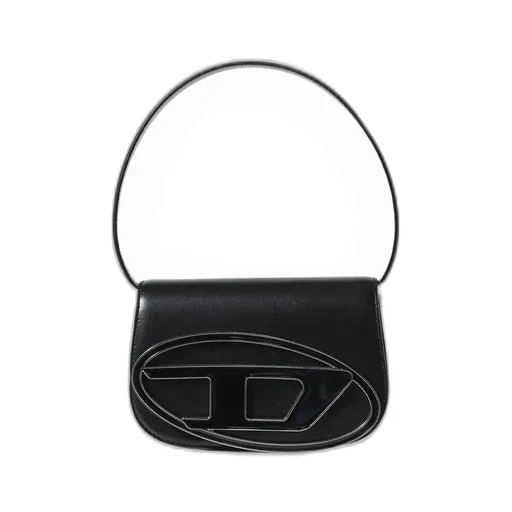
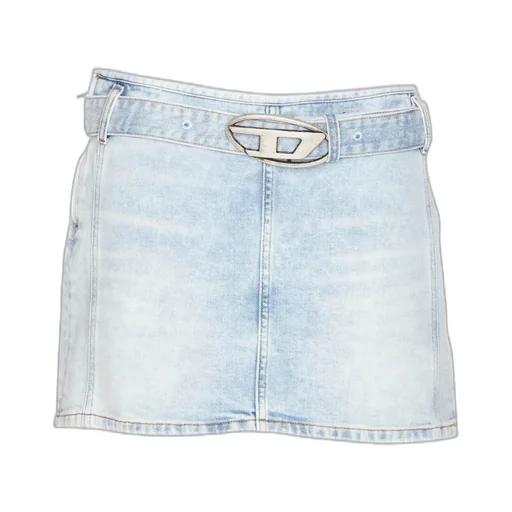
His first full runway collection for Spring 2022 established the vocabulary. Denim was shredded, coated, devoured to near transparency or printed to imitate another textile. The Oval D logo became a metal frame that could hold a knit dress together at the chest or form the body of the small 1DR bag. The barely-there belt skirt from Fall 2022 pushed the same logo object to its logical extreme: half accessory, half clothing, instantly recognisable in a phone-sized image. (Vogue; Associated Press)
Martens also rebuilt the runway as a public spectacle. Diesel invited thousands of people, including fashion students, to its shows rather than reserving the room for the industry. Sets made from a record-scale inflatable sculpture, mountains of condoms or hundreds of thousands of denim offcuts gave the clothes a blunt, concert-like environment. The strategy was commercial without being timid: OTB reported in 2026 that Diesel had achieved its best profitability in a decade following years of repositioning. (Associated Press; OTB 2025 results)
A couture rehearsal at Jean Paul Gaultier
In January 2022, Martens returned to Jean Paul Gaultier as the house's second guest couturier. The one-season appointment was a conversation rather than a conventional collaboration: Gaultier opened the archive, and Martens translated its corsetry, tattoo effects, trompe-l'oeil and body-conscious irreverence through his own warped construction. Cone shapes corkscrewed around the torso; gowns appeared knitted from nautical cable; stripes were torqued into three-dimensional ridges. (Vogue Runway; Vogue France)
The collection proved that his experiments could survive couture scrutiny. It also matters biographically: Martens began his career in Gaultier's studio, then returned fourteen years later with enough authority to reinterpret the founder's language. OTB chairman Renzo Rosso explicitly cited that couture ability when appointing him at Margiela. (Hyères Festival biography; OTB)
Maison Margiela, 2025–present
Maison Margiela named Martens creative director with immediate effect on 29 January 2025. He became only the third person to direct the house, after Martin Margiela and John Galliano, while retaining his Diesel role. The appointment invited obvious comparisons: Martens and the founder are Belgian Antwerp graduates, and Y/Project had already absorbed lessons from Margiela's deconstruction. The difficult task was to use those shared tools without producing a tribute act. (OTB; OTB's Maison Margiela profile)
His first statement was the Artisanal 2025 collection, shown on 9 July in the underground spaces of Centquatre-Paris, where Martin Margiela had held his final show in 2008. Models' faces disappeared behind masks made from battered metal, lace, crystals and sliced organza. Monumental gowns evoked saints on Flemish church façades; thrift-store garments, discarded metal boxes, old jewellery, paper, painted denim and fragments of lace were elevated through painstaking handwork. The materials honoured the house's practice of recuperation, while the compressed waists, spiralling volume and dark Flemish atmosphere were recognisably Martens. (Wallpaper; Maison Margiela show notes)
His first ready-to-wear collection followed in October 2025, and Fall 2026 was presented in Shanghai. These early collections retain Margiela signatures—anonymity, repurposing, trompe-l'oeil and evidence of the hand—but make them more architectural and sometimes more opulent. As of September 2026, Martens continues to lead both Maison Margiela and Diesel. (OTB 2025 results; Wallpaper)
Reading and dating the work
Martens's three major design languages overlap, but they are not interchangeable. Y/Project foregrounds choice and distortion; Diesel directs that energy toward denim, logos and a mass audience; Maison Margiela gives it the time and handwork of an atelier. A twisted jean is not enough on its own to identify the label.
For attribution, Y/Project pieces from Fall 2014 through Fall 2024 generally belong to his creative direction. Diesel's Martens era begins with projects released after October 2020, with Spring 2022 as his first complete runway statement. Maison Margiela garments before Artisanal 2025 precede his shown collections even though he was appointed in January. Product codes, internal labels and documented collection names remain stronger evidence than retail listing dates. (Hyères Festival biography; Vogue; OTB)
Martens matters because he has made difficult construction social. His clothes invite adjustment, humour and argument; people understand that something is happening even when they cannot name the patternmaking technique. He can carry that idea from a tiny experimental studio to a denim company and then into couture without pretending the three audiences are the same.
References
- Royal Academy of Fine Arts Antwerp. “Curriculum vitae: Glenn Martens.” 2008.
- Festival International de Mode, de Photographie et d'Accessoires de Hyères. “Glenn Martens: President of the fashion jury.” 2022.
- Fantastic Man. “Glenn Martens.” 2026.
- Le Monde. “Glenn Martens, lignes à haute tension.” 1 August 2025.
- José Criales-Unzueta. “Creating Collections Is Like Therapy—Inside the Fantastical Mind of Glenn Martens.” Vogue, 2024.
- System. “Looks of the season: Glenn Martens.” Issue 19, 2022.
- Anders Christian Madsen. “How Y/Project's Glenn Martens Is Reimagining Diesel.” British Vogue, 2021.
- Nicole Phelps. “Glenn Martens Couldn't Have Timed His Arrival at Diesel Better.” Vogue, 2021.
- Vogue France. “Glenn Martens nommé directeur artistique de Diesel.” 9 October 2020.
- Associated Press. “Diesel is Milan's hottest ticket with otherworldly looks, cutting-edge textiles.” 23 February 2023.
- OTB Group. “2025 full-year results.” 2026.
- Sarah Mower. “Jean Paul Gaultier Spring 2022 Couture.” Vogue Runway, 26 January 2022.
- Vogue France. “Jean Paul Gaultier x Glenn Martens: ce qu'il faut retenir.” 27 January 2022.
- OTB Group. “Maison Margiela appoints new Creative Director.” 29 January 2025.
- OTB Group. “Maison Margiela.” Current house profile.
- Jack Moss. “Glenn Martens' thrilling Maison Margiela debut.” Wallpaper, 10 July 2025.
- Maison Margiela. “Artisanal Collection 2025 show notes.” 9 July 2025.
- OTB Group. “OTB presents its 2025 full-year results.” 2026.
- Dal Chodha. “Maison Margiela Folders A/W 2026.” Wallpaper, 2 April 2026.
- 生年
- 1983年4月29日
- 学歴
- Royal Academy of Fine Arts Antwerp