Lazaro Hernandez
Miami-born designer who co-founded Proenza Schouler and, with Jack McCollough, has served as Loewe creative director since April 2025.
Lazaro Hernandez—Lázaro Hernández in Spanish—is one of the two creative directors of Loewe, a position he has shared with Jack McCollough since 7 April 2025. The pair previously founded and led Proenza Schouler, turning a joint Parsons thesis into one of the defining New York fashion houses of the early twenty-first century. They are partners in work and life, and their designs have always carried joint credit. Hernandez nevertheless brought a distinct history to that partnership: Miami, a Cuban family, the women in his mother's salon and a teenage fascination with the possibility of European fashion. (Associated Press; System)
He was born and raised in Miami. His father was Cuban, while his grandparents came from Spain; the family expected a stable profession, and Hernandez initially entered a pre-medical course. Fashion had already exerted a stronger pull. His mother worked in a beauty salon, where he watched women prepare themselves for important evenings, and as a boy he approached Gianni Versace for advice. Versace's encouragement helped him imagine design as an attainable occupation, though Hernandez initially told his father he would study architecture when he left medicine. (Vogue; Vogue Italia; SPUR)
The note on the aeroplane
Hernandez moved to New York to study at Parsons and met McCollough at the nightclub Life in 1998, just before their courses began. A second chance encounter became part of Proenza Schouler's origin story. On a flight from Miami, Hernandez recognised Anna Wintour in first class. Too nervous to introduce himself properly, he wrote a note asking for help finding an internship and handed it to her before landing. Her office responded, and he eventually trained at Michael Kors; McCollough interned at Marc Jacobs. (Vogue; Vogue Italia)
The anecdote is memorable because it sounds like luck, but what followed depended on collaboration and technical work. Hernandez and McCollough decided to combine their senior projects into one 2002 collection. They named it Proenza Schouler after their mothers' maiden names—Proenza was Hernandez's mother's, Schouler McCollough's—and Barneys New York bought it in full. Rather than spend years seeking a first stockist, they graduated with one of the city's most influential stores already committed. (Parsons; Interview)
Their first commercial runway appeared in 2003. That year brought the CFDA's emerging-talent award; in 2004 they became the first recipients of the CFDA/Vogue Fashion Fund. They later won Womenswear Designer of the Year three times and Accessories Designer of the Year once. The compressed sequence created a “boy wonder” narrative around two founders who were still learning how to employ a staff and deliver production. Unlike many instant successes, however, Proenza lasted because the designers built a repeatable vocabulary rather than trying to recreate the thesis indefinitely. (Proenza Schouler; Parsons)
Designing through disagreement
Hernandez has described the partnership as a search for the third answer. If he wants black and McCollough wants white, the collection becomes neither person's untouched preference; they work towards grey. This does not mean compromise in the weak sense. Their most recognisable clothes often feel electrically unresolved: respectable tailoring meets a cut-out, a ladylike dress is built from synthetic or distressed cloth, and familiar American sportswear undergoes difficult European-calibre fabrication. (Interview)
That tension separated Proenza Schouler from the idea that American design must be commercially simple. The pair commissioned their own jacquards, used heat-bonding and laser cutting, and treated pleating, dye and leatherwork as generators of form. Artists entered the process as models for handling material: the mass of Richard Serra, the colour of Helen Frankenthaler, the industrial assemblage of Isa Genzken. Hernandez's attention repeatedly returned to the women who would animate those experiments. The result might be complex on a hanger but had to become convincing when worn. (Le Monde; Parsons)
Spring 2010 converted the designers' memories of surfing and skating into fluorescent tie-dye, scuba fastenings and layered sportswear. Spring 2012 started from the visual disorder of American rest stops and tiki bars; bamboo, tropical birds, degraded mid-century patterns and technical textiles made questionable taste productive. Neither collection simply illustrated its mood board. The reference became useful only after being rebuilt through fabric and silhouette. (Vogue Runway; Vogue)
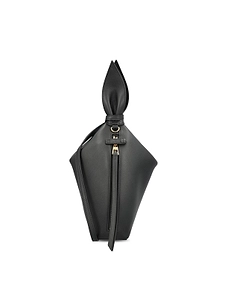
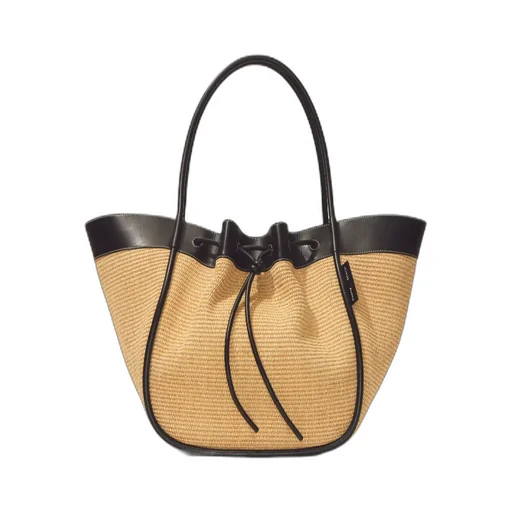
The PS1 bag, introduced in 2008, applied the same thinking to an ordinary school or document satchel. Its soft structure, practical compartments and restrained branding rejected the polished trophy bag without giving up recognisability. The PS1 became the company's commercial anchor and helped earn the pair the 2009 CFDA accessories award. Later designs alternated between structure and collapse: the hard-edged PS11, curved clutches and the Ruched Tote, whose piping gathers an unlined leather body into an open, almost draped form. (CFDA; Proenza Schouler)
Independence, Paris and the end of an era
Running an independent New York luxury business meant repeatedly adjusting the structure around the clothes. Proenza Schouler accepted outside investment, showed two seasons in Paris in 2017 and 2018, then returned to New York after McCollough, Hernandez and private backers bought the company back. The Paris collections made extensive use of lace, feathers and macramé; the homecoming restored the immediate relationship between the label, its friends and the city that had formed it. (Vogue; W)
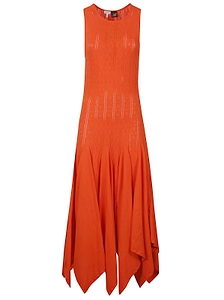
The designers also created White Label for less formal daily clothing. Its literal white label distinguished it from the main collection's black one, a useful fact for resale listings that otherwise flatten every product into a single line. In the 2020s, the main collection became more fluid and physically close: ice-dyed velvet, moulded metallic cloth, slashed knits and tailoring held by narrow ties. For Spring 2025, their last runway in charge, scarf squares, sails, pleats and fringe condensed older techniques without turning the show into a retrospective. (W; Associated Press; Vogue Runway)
Hernandez and McCollough stepped down as creative directors on 15 January 2025. They remained shareholders and board members, so “left Proenza Schouler” needs qualification: they stopped designing it but retained a corporate relationship. The Fall 2025 lookbook was completed through the studio after their departure, using a shoot the founders had helped arrange. Rachel Scott was named creative director in September and presented her first fully directed collection for Fall 2026. (Vogue Runway; Proenza Schouler; W)
Loewe: Spain without shorthand
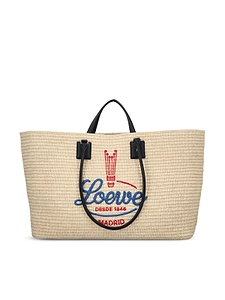
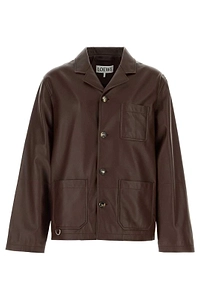
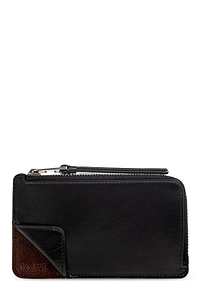
Loewe's appointment brought Hernandez professionally closer to his Spanish ancestry, but he and McCollough rejected a catalogue of flamenco, bullfighting and polka-dot clichés. They based their approach on Spanish heat, bodily confidence, fruit, saturated colour and a tactile relationship with leather. Monthly visits to Loewe's Getafe workshop allowed them to see leather shaved thin, woven like knit or worked until it resembled towelling. Hernandez's Latin family background informs this sensibility; it does not grant automatic authority over every Spanish tradition, a distinction the designers themselves make. (W; El País Semanal)
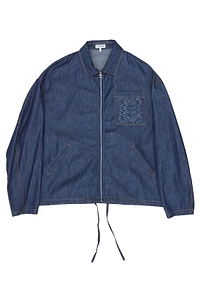
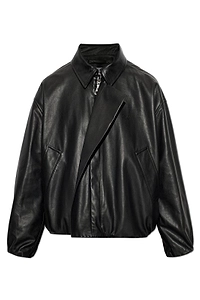
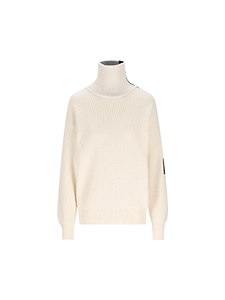
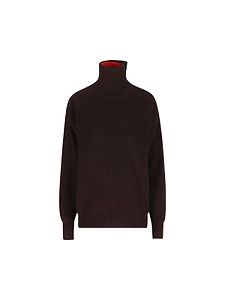
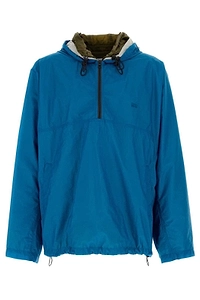
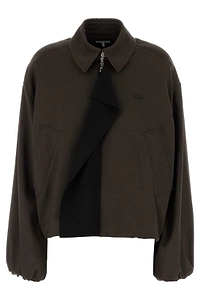
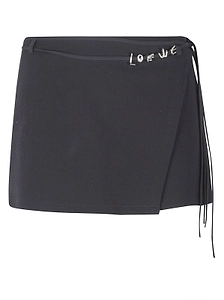
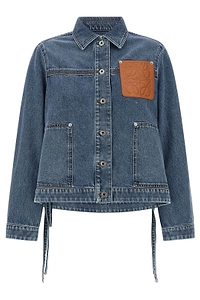
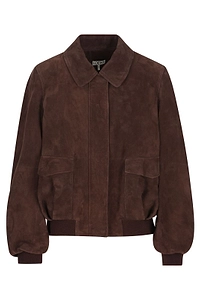
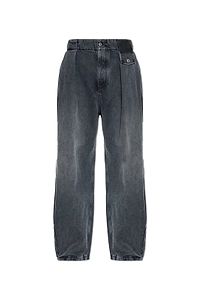
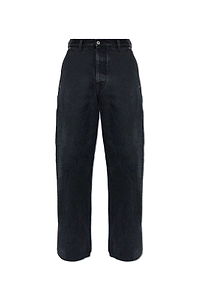
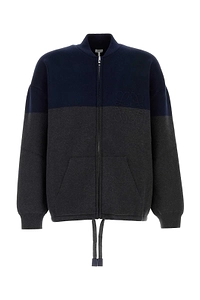
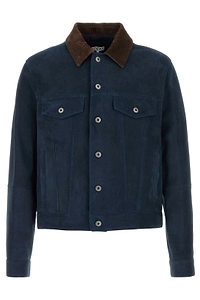
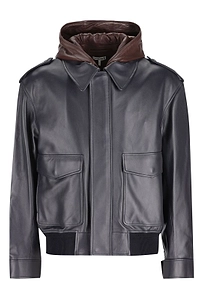
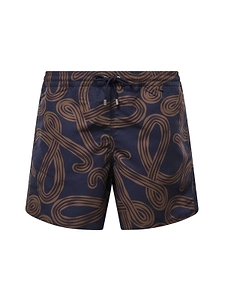
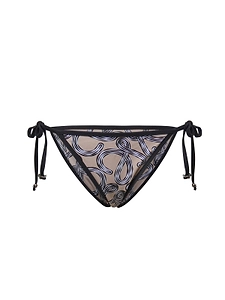
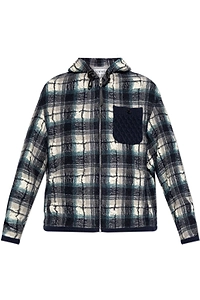
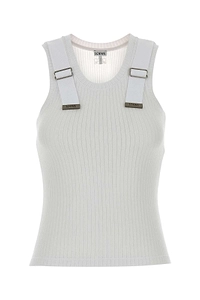
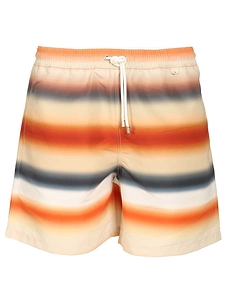
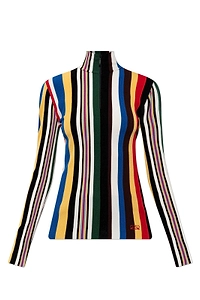
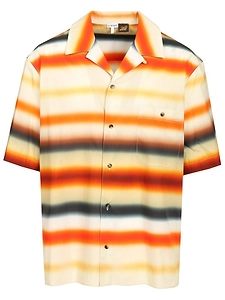
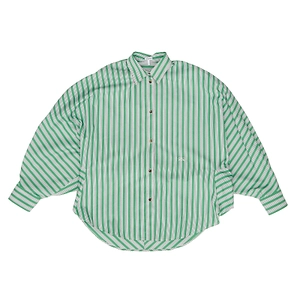
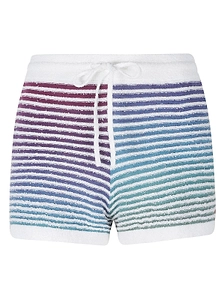
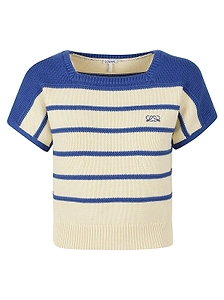
Their Spring 2026 debut placed Ellsworth Kelly's Yellow Panel with Red Curve at its entrance and carried that direct colour into striped dresses, bare-skin knits, parkas and anoraks. American sportswear was not hidden to make the designers seem more Parisian. Jeans, a bomber or a beach garment instead passed through Loewe's specialised craft, making the everyday technically strange. (LVMH; Vogue)
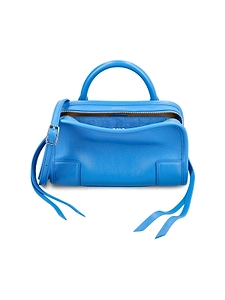
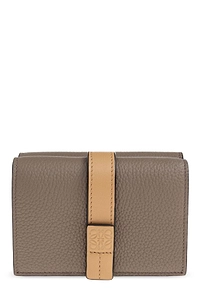
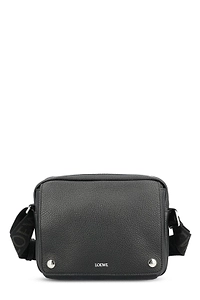
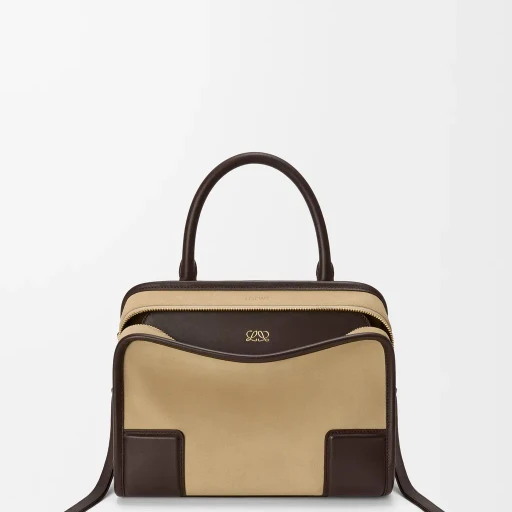
The Amazona 180 marked both Loewe's anniversary and the new tenure. It takes the boxy Amazona introduced in 1975 and releases one side: extra-long zips and an offset handle let the top gape and the body slump. The Flamenco Ondas similarly makes an existing house family new through repeated leather waves. Both designs show how Hernandez and McCollough are approaching heritage—not as a fixed silhouette to reproduce, but as a construction to disturb without making it unrecognisable. (Loewe; Vogue)

Fall 2026 extended the argument through feather-light leather, playful colour and a first complete menswear offer. As of September 2026, Hernandez remains creative director alongside McCollough and sits with him on the Loewe Foundation Craft Prize jury. Their shared title is not a temporary consultancy: they direct the house together. (GQ; Loewe Foundation)
Reading and dating the work
Proenza Schouler garments from 2002 through Spring 2025 belong to the McCollough–Hernandez partnership; trying to divide them by designer invents a distinction the studio never published. Check whether a piece is mainline or White Label, then use its care label, season code and contemporary runway record. Fall 2025 is transitional, while Rachel Scott's first complete solo statement is Fall 2026.
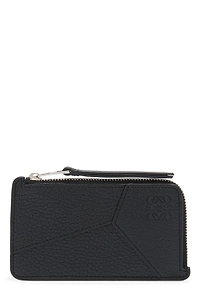
At Loewe, their first shown collection is Spring 2026. A classic Amazona, Flamenco or Puzzle sold during 2025 may predate them even if its retail receipt falls inside their employment. Look for a named redesign such as Amazona 180, documented runway imagery or a season-specific product code before assigning authorship. The house owns the archive; the particular transformation is the designers' work.
References
- Associated Press. “Jack McCollough and Lazaro Hernandez named creative directors at Loewe.” 24 March 2025.
- Jack McCollough and Lazaro Hernandez. “The women of Proenza Schouler.” System, Issue 9, 2017.
- Hamish Bowles. “Inside the Rustic Retreat of Proenza Schouler's Jack McCollough and Lazaro Hernandez.” Vogue, 17 October 2019.
- Vogue Italia. “Proenza Schouler.” June 2010.
- SPUR. “Interview with Jack McCollough & Lazaro Hernandez.” 21 August 2026.
- Steff Yotka. “Jack McCollough and Lazaro Hernandez on Steering Proenza Schouler Into the Future.” Vogue, 11 October 2019.
- Parsons School of Design. “Jack McCollough and Lazaro Hernandez.” Alumni profile.
- Chloë Sevigny. “Proenza Schouler.” Interview, 22 February 2011.
- Proenza Schouler. “About Us.” Current company history.
- Nicole Phelps. “Proenza Schouler Spring 2010 Ready-to-Wear.” Vogue Runway, 16 September 2009.
- Maya Singer. “Print Masters.” Vogue, 2014.
- CFDA. “Lazaro Hernandez.” Member biography.
- Proenza Schouler. “XL Ruched Tote.” Product construction.
- Olivia Singer. “Proenza Schouler returns to New York Fashion Week.” Vogue, 2018.
- Karin Nelson. “Proenza Schouler White Label.” W, 2018.
- Associated Press. “Proenza Schouler debut effortlessly cool looks at NYFW.” 11 February 2023.
- Nicole Phelps. “Proenza Schouler Spring 2025 Ready-to-Wear.” Vogue Runway, 4 September 2024.
- Nicole Phelps. “Proenza Schouler Fall 2025 Ready-to-Wear.” Vogue Runway, 13 February 2025.
- Proenza Schouler. “Creative Director.” Rachel Scott appointment.
- Lauren Collins. “At Loewe, Jack McCollough and Lazaro Hernandez Write Their Next Chapter.” W, 16 February 2026.
- El País Semanal. “Lazaro Hernandez y Jack McCollough, directores creativos de Loewe.” 25 April 2026.
- LVMH. “A burst of colorful creativity for Loewe Spring-Summer women's collection.” 6 October 2025.
- Loewe. “Spring Summer 2026 campaign.” 2026.
- Laird Borrelli-Persson. “The Best Loewe Handbags of 2026.” Vogue, 2026.
- Samuel Hine. “Meet the 'Loewe Boys' Who Wowed Paris With Their First Menswear Collection.” GQ, 7 March 2026.
- Loewe Foundation. Craft Prize 2026 rules of entry. 2025.
- 原語表記
- Lázaro Hernández
- 学歴
- Parsons School of Design
- 受賞
- CFDA/Vogue Fashion Fund, 2004CFDA Womenswear Designer of the Year, 2007CFDA Accessory Designer of the Year, 2009CFDA Womenswear Designer of the Year, 2011CFDA Womenswear Designer of the Year, 2013