Ryo Kashiwazaki
Tokyo shoe designer and Hender Scheme founder, joining leather craft, industrial archetypes and objects made to change through use.
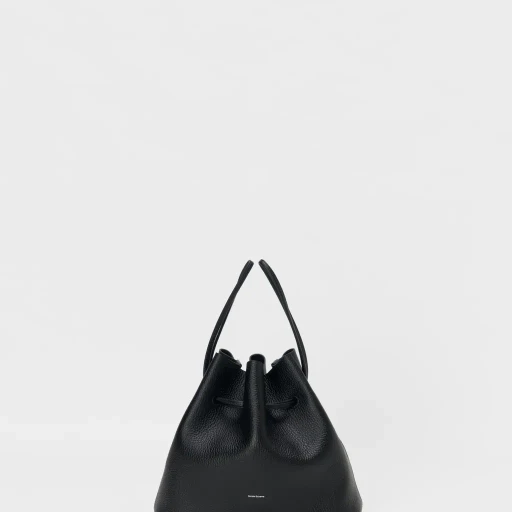
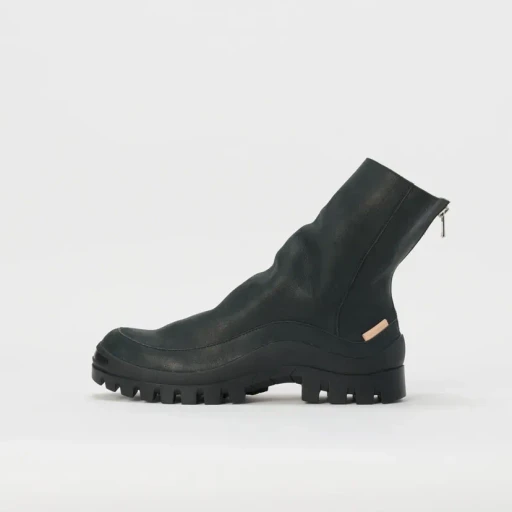
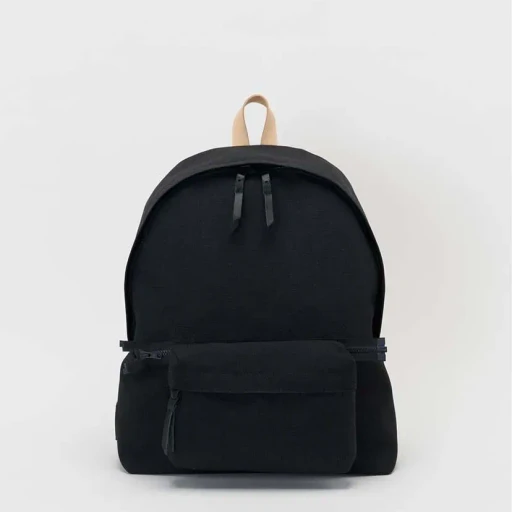
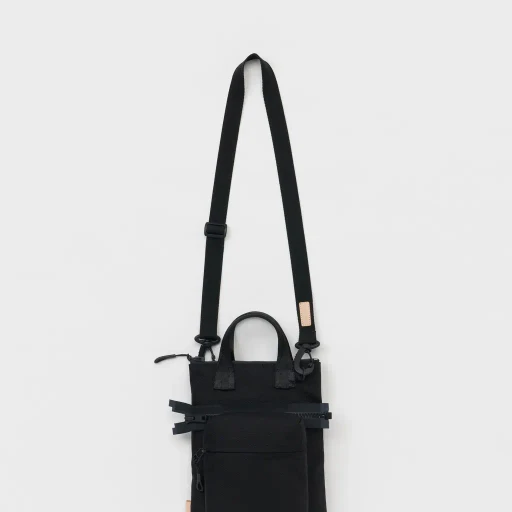
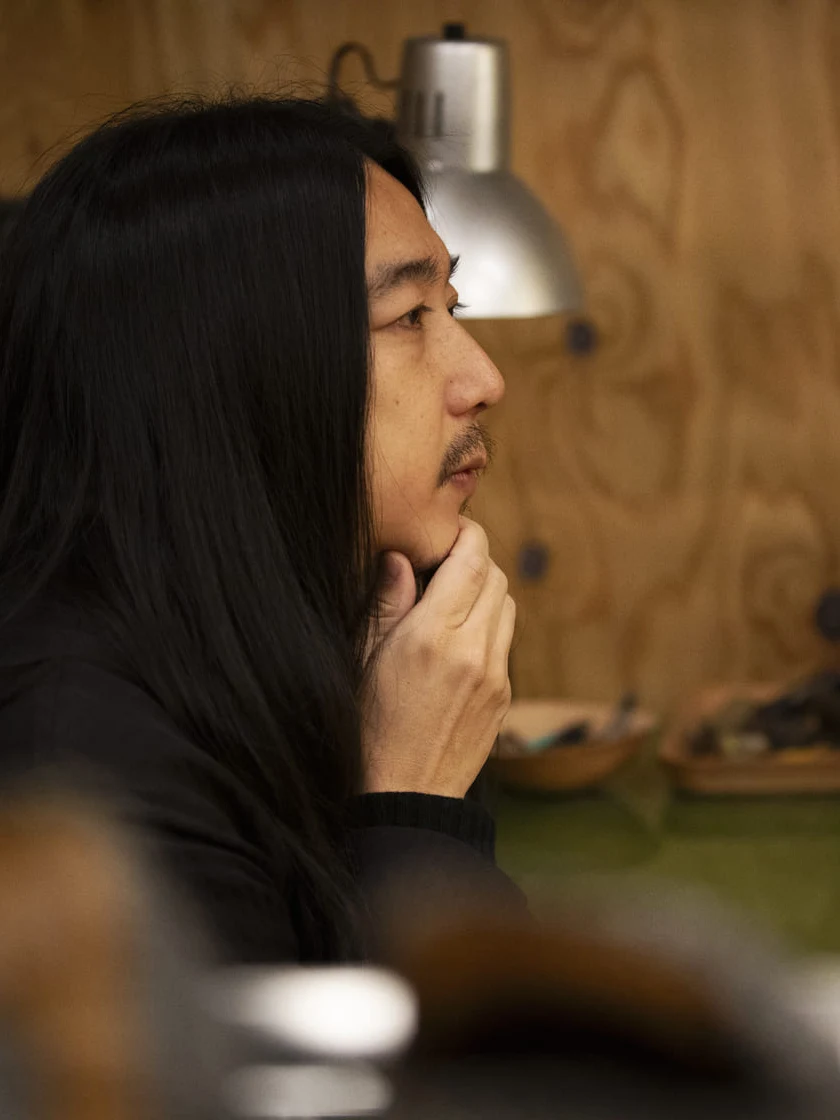
Ryo Kashiwazaki is the founder and designer of Hender Scheme, the Tokyo label that treats a shoe as both a designed image and a record of the hands that made and wore it. Founded in 2010, Hender Scheme became known internationally through natural-leather reconstructions of familiar trainers. Those shoes are only one part of Kashiwazaki's practice, which now ranges across original footwear, bags, small leather goods, clothing, interiors and objects. (Hender Scheme; BRUTUS)
The name states his first proposition. “Gender schema” is a term for the social framework through which people organise ideas of masculinity and femininity; Kashiwazaki moved its initial G one letter forward to H. Hender Scheme does not claim that bodies are identical. It asks why the design and sale of what people wear should be governed by a gender category before the wearer has even encountered the object. (Hender Scheme; Fashion Press)
Learning a shoe from the inside
Kashiwazaki was born in Tokyo in 1985. He did not enter the trade through fashion school. While at university, he found a small workshop that made sample shoes for fashion brands. Its classes were too expensive for him, but the workshop happened to advertise a job; he applied and learnt through production instead. The work could move from a designer's drawing to a rough sample overnight, so he saw lasts, soles and fittings as decisions made under real pressure rather than abstract craft vocabulary. (Fashion Press; Silver)
A last is the foot-shaped form around which a shoe is built. Kashiwazaki carved lasts and made outsoles, while older craftspeople taught him on days off. After university he based himself around Asakusa, Tokyo's historic leather and shoemaking district, attended vocational training, made footwear for friends and stage productions, and worked in a shoe-repair shop in Aoyama. Repair was an especially useful education: it exposed where a shoe failed after use and what construction allowed it to be renewed. (Fashion Press; GQ Japan)
That experience also established his position between designer and artisan. Kashiwazaki knows enough construction to negotiate a new process, but rejects the romance of one person doing every operation. A specialist who has sewn the same component for decades can do it better. Hender Scheme therefore divides production among craftspeople, while Kashiwazaki determines the system, tests its limits and completes work that falls between established specialisms. (Fashion Press)
Manual industrial products
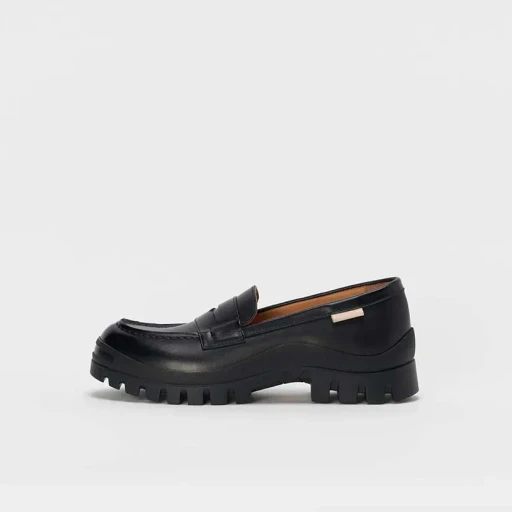
In Hender Scheme's second season, Kashiwazaki began the project first known as the homage line and later as manual industrial products, or mip. It takes a trainer that exists in mass memory and translates its form through Japanese leather-shoe construction. The pale, vegetable-tanned leather initially makes the reference easy to see, but the new weight, seams, welt and sole disturb it. A product engineered to emerge identically from a factory has been passed through several workshops, each leaving small variations. (Fashion Press; SSENSE Japan)
The point is not that handwork is morally superior to industrial production. Kashiwazaki has been unusually clear that a trainer's scale, consistency and price are real achievements. His experiment changes the production method so that both systems become visible: the industrial original as a remarkably stable image, the leather version as a chain of specialised judgements. Early orders numbered fewer than ten pairs, but he continued by adding one model each season. (Fashion Press; GQ Japan)
The work also occupies an uneasy territory between homage, copying and authorship. Kashiwazaki did not hide that risk; he regarded the recognisable image as necessary to the question. The later relationship with adidas made that conversation concrete. In 2017 Hender Scheme moved from remaking trainer archetypes independently to an authorised collaboration with one of their originators, translating the Micro Pacer, NMD and Superstar into vegetable-tanned leather. (Fashion Press; The Fashion Post)
Leather is a clock
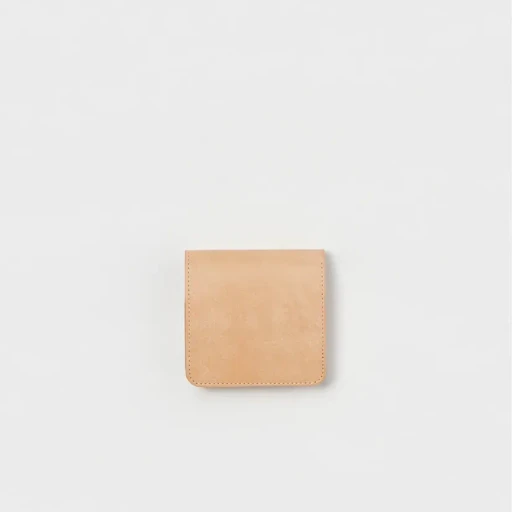
Natural vegetable-tanned leather, often called ヌメ革 (nume-gawa) in Japan, arrives pale and readily records light, oil, water and handling. On an mip shoe, that change reverses the expectation that a trainer is most desirable when box-fresh. The owner darkens the leather, creases the upper and gradually makes one pair unlike every other. Because the shoes use repairable leather-shoe construction, a worn sole need not end that process. (Fashion Press)
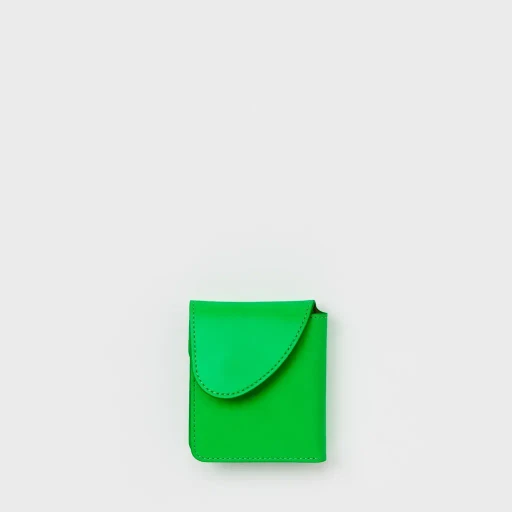
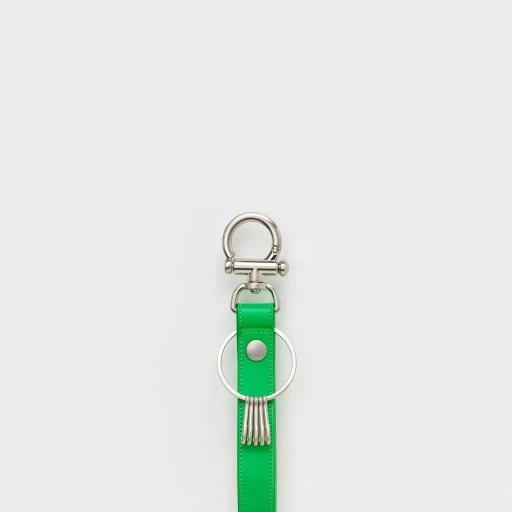
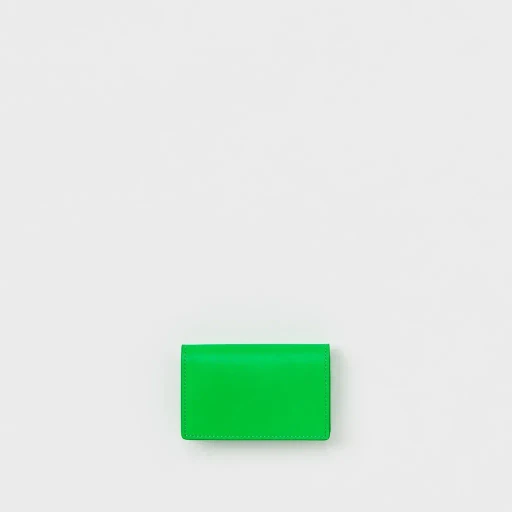
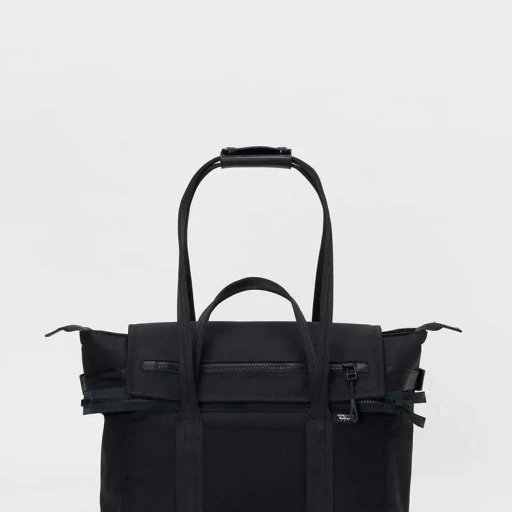
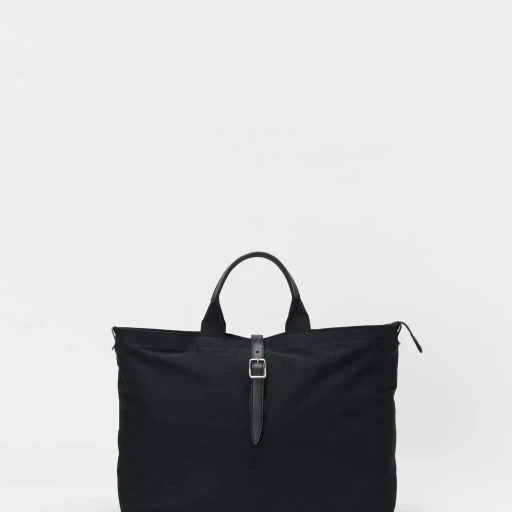
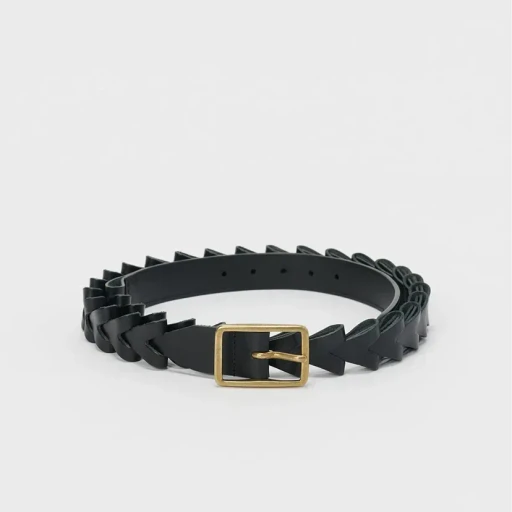
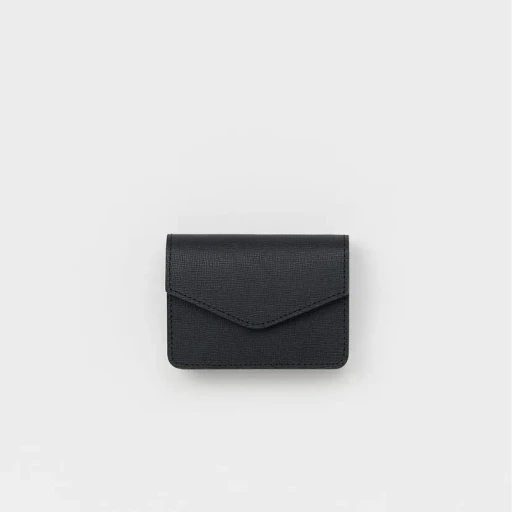
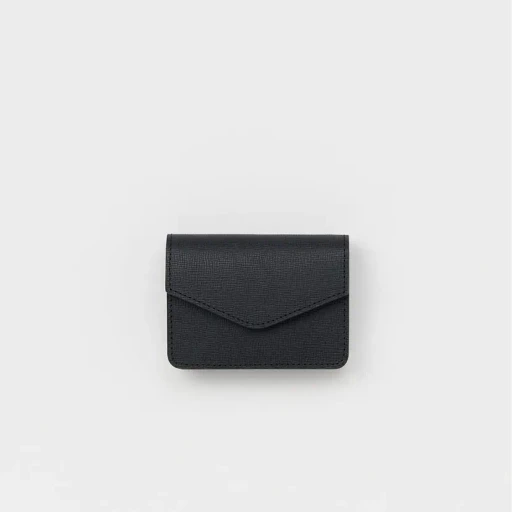
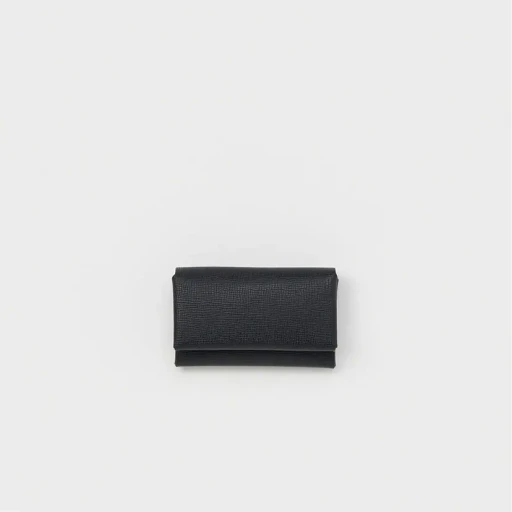
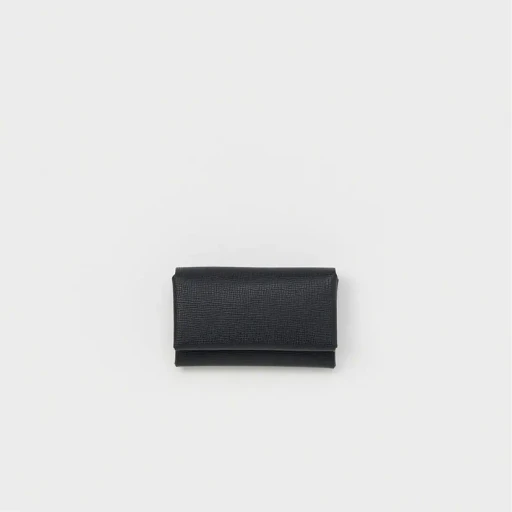
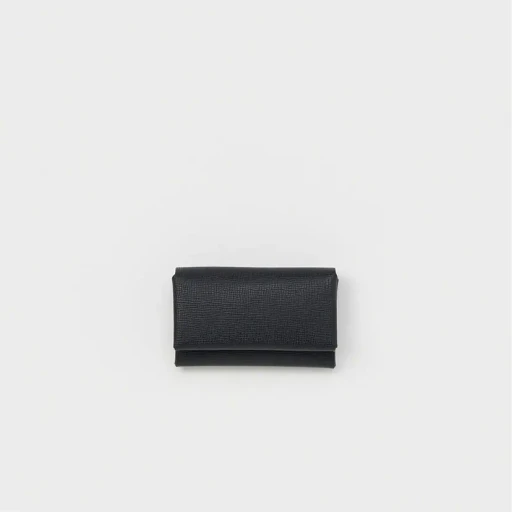
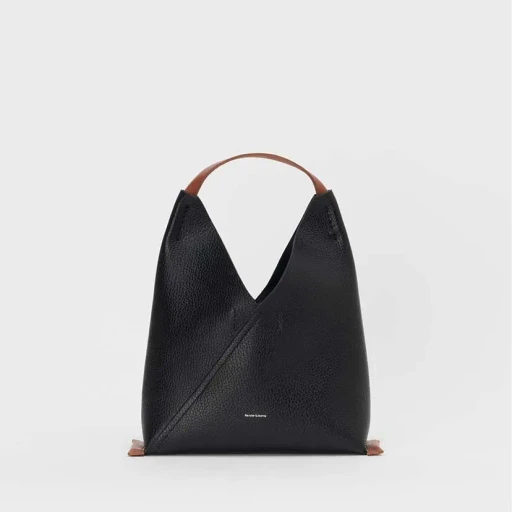
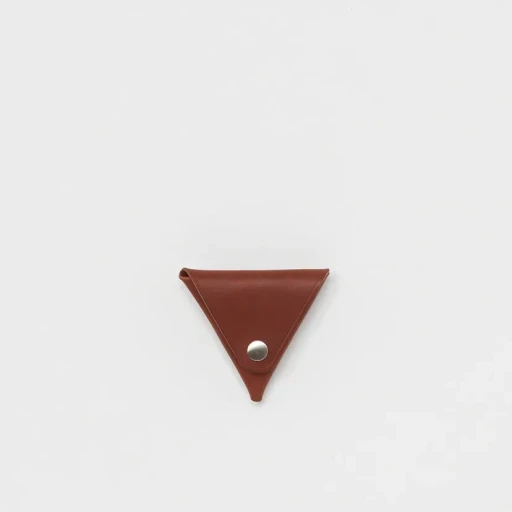
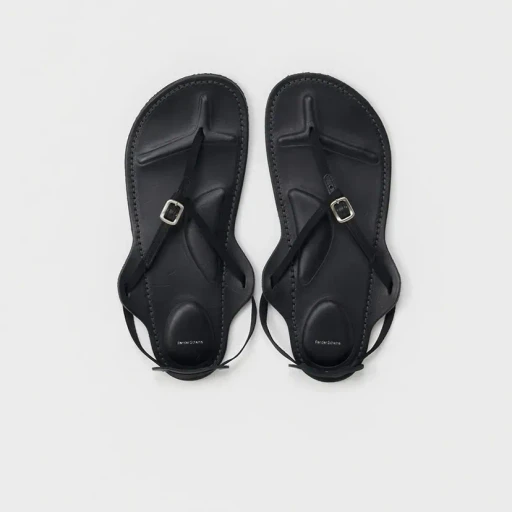
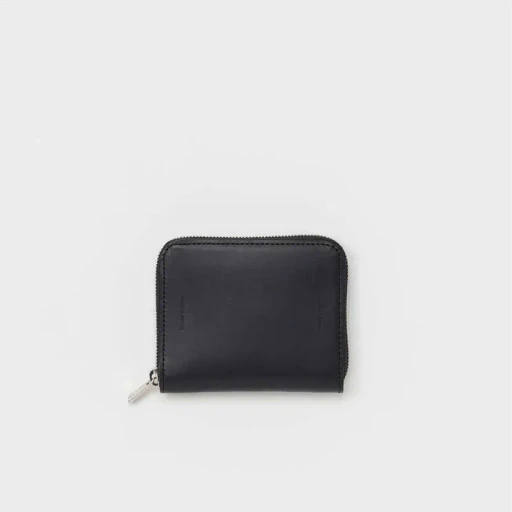
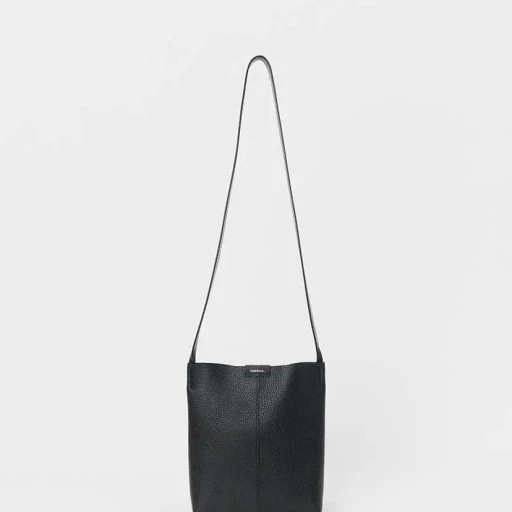
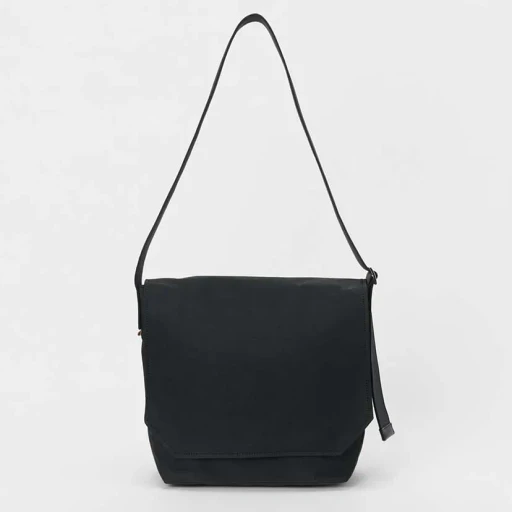
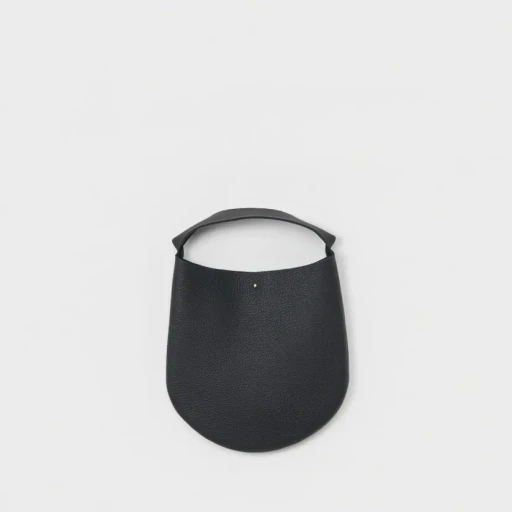
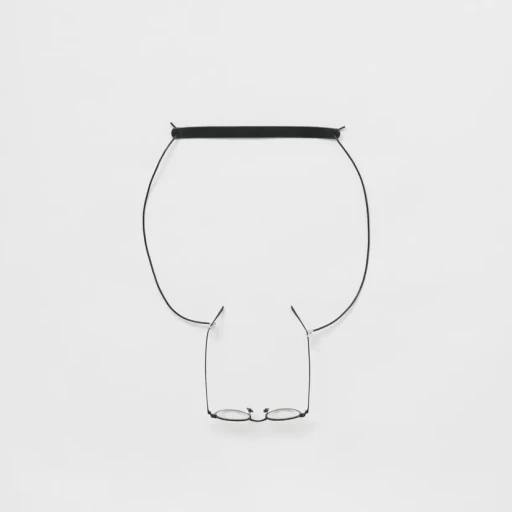
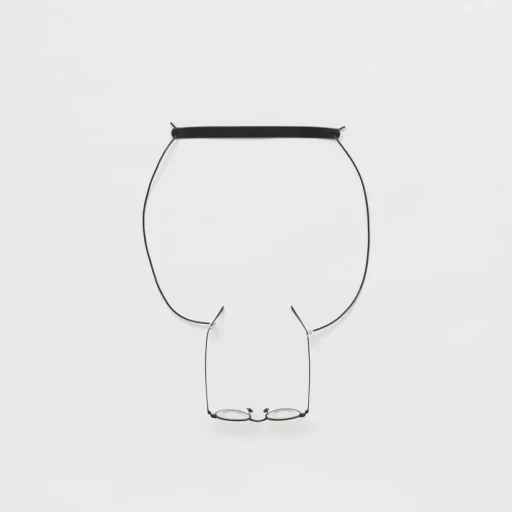
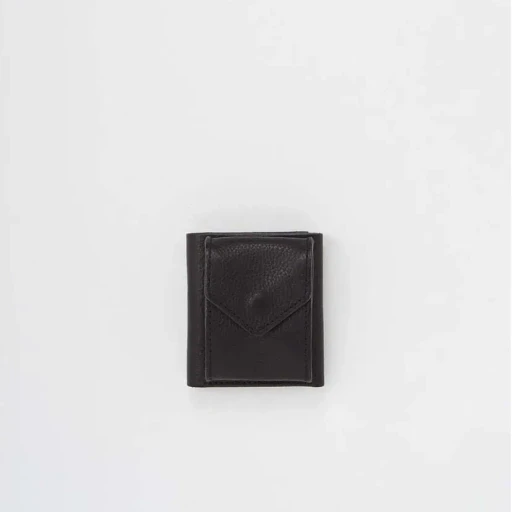
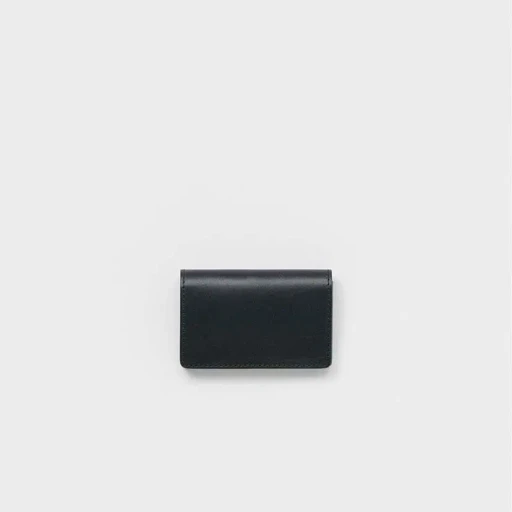
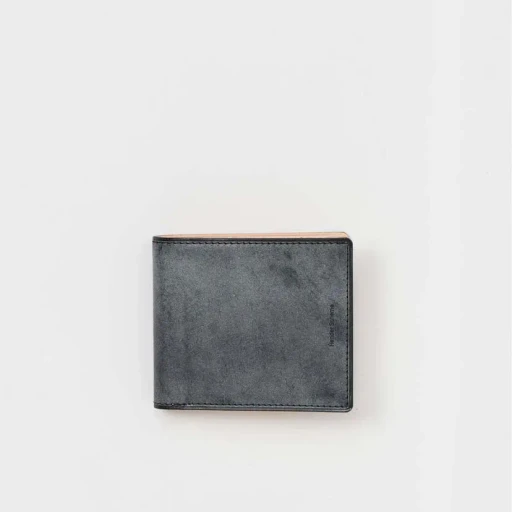
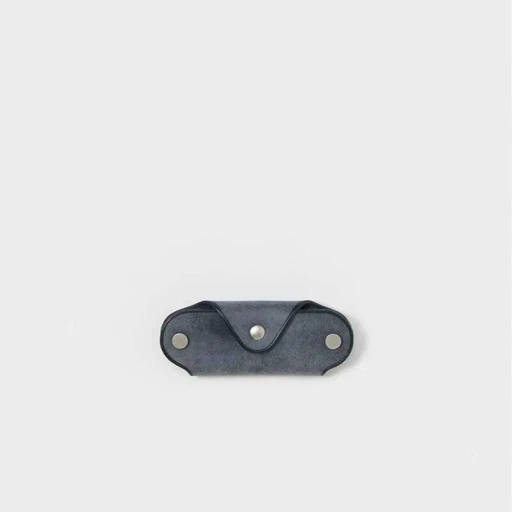
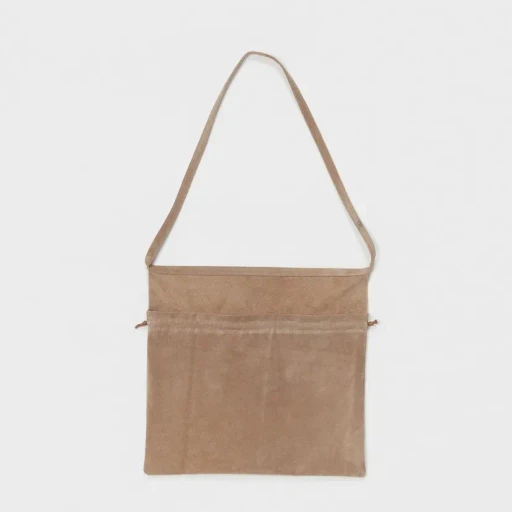
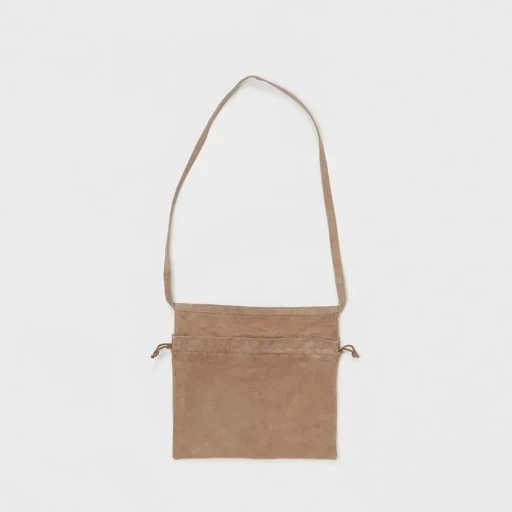
This idea runs through Hender Scheme's less famous objects. A wallet takes on the shape of what it holds; the handles of a piano bag deepen in colour where they are gripped; a sandal's footbed compresses around one person's step. Kashiwazaki describes the sold object as unfinished and the user's changed object as the ideal completion. “Patina” can sound like a luxury sales term, but here it is a functional design material: time supplies a surface the studio cannot predetermine. (United Arrows; Fashion Press)
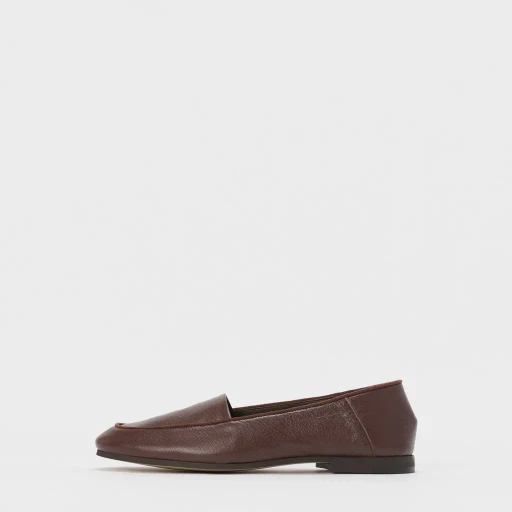
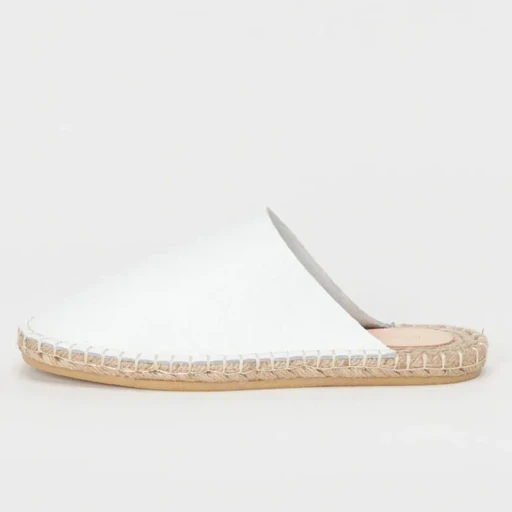
Original footwear matters just as much as mip. Models such as cheak, a backless shoe derived from dress-footwear construction, show how Kashiwazaki can make a recognisable type feel newly unresolved without borrowing a famous trainer. Testing is methodical. The studio makes at least two samples, gives them to staff or factory partners to wear, and changes the pattern after their reports before production begins. (BRUTUS; Honeyee)
A studio that tests other kinds of value
Hender Scheme eventually abandoned the fashion calendar's conventional Spring/Summer and Autumn/Winter names for Summer/Autumn (S/A) and Winter/Spring (W/S). These are not reversed hemispheric seasons. They are the label's own delivery rhythm, visible in the official archive from 2021 onward. A listing marked “2025 S/A” should therefore be read literally as Hender Scheme's season name, not silently converted into SS2025. (Hender Scheme)
Kashiwazaki has also used retail and exhibition formats to ask how an object's worth is assigned. The gallery 隙間 (Sukima, “gap”), opened in 2022, offered exhibition space and operation in exchange for one work from the exhibitor, without taking a sales commission. The barter was not an anti-money stunt so much as a test: audience exchange, a new relationship and creative stimulus might all carry value that a normal commission fails to record. (BRUTUS)
Collaborations have expanded that test without turning Hender Scheme into a logo service. With Tod's, Kashiwazaki worked through differences between Japanese and Italian workshop systems; the project included ready-to-wear because Tod's insisted that the exchange extend beyond shoes. The 2026 Artek project took about four years and joined vegetable-tanned leather to Finnish birch, two materials designed to show age rather than resist it. A Stool 60 literally acquired leather “shoes”, making furniture construction and footwear construction meet at the floor. (Silver; Casa BRUTUS)
Reading and dating Hender Scheme
The first question for an older pair is whether it belongs to mip/manual industrial products, an original Hender Scheme model, or a named collaboration. Natural leather alone proves none of these: the studio uses it widely, and later editions can repeat earlier ideas. Compare the model name and number on the box or interior label with Hender Scheme's official WORK archive, then check construction, sole and colour against season imagery. (Hender Scheme; United Arrows)
Do not date a pale pair from its colour. Unworn nume from an old season may remain light, while a recent shoe can darken quickly. Wear is evidence of use, not production year. Likewise, an industrial trainer silhouette does not identify an authorised collaboration: mip began as an independent conceptual series, whereas adidas and Tod's products carry their own co-branding. (Fashion Press; Silver)
The safest broad chronology is straightforward. Hender Scheme begins in 2010; mip appears in the second season; its original seasonal archive runs through 2020 Autumn/Winter; the S/A and W/S naming system follows; and Kashiwazaki remains the designer in 2026. Specific model dating still requires an archive match. The same form may return in a different leather or sole, because repetition is part of the work's argument about use—not evidence that every version was made at the moment the idea first appeared. (Hender Scheme; Hypebeast Japan)
References
- Keiichiro Miyata. “‘Kizon no kachikan o henkan suru’ monozukuri: Hender Scheme designer Kashiwazaki Ryo ni interview.” BRUTUS, 28 July 2023.
- “Interview: Hender Scheme Kashiwazaki Ryo—Nihon no shokunin-tachi to tomo ni egaku atarashii katachi.” Fashion Press, 9 August 2015.
- “Homage line o 2 season-me kara hajimemashita.” Fashion Press, 9 August 2015.
- Tsuyoshi Hasegawa and Kei Takegawa. “Sekai ga ikkyo shuitto o mitsumeru—‘sozo’ o hajimeta designer-tachi.” GQ Japan, 12 October 2015.
- Tiffany Godoy. “Kawa o sodateru.” SSENSE Japan, 2017.
- “adidas Originals ga Hender Scheme to no collaboration collection o hatsubai.” The Fashion Post, 17 August 2017.
- Rui Konno. “Hender Scheme × Tod's.” Silver.
- “Hender Scheme—sono shoes ya bag wa kando sura oboeru leather no shinkyochi.” United Arrows, 9 September 2024.
- “Hender Scheme designer Kashiwazaki Ryo no shiko kairo.” Honeyee, 2024.
- Sana Tajika. “Stool 60 ga kutsu o haku made.” Casa BRUTUS, 1 September 2026.
- “About / Work archive.” Hender Scheme. Accessed 11 September 2026.
- 原語表記
- 柏崎亮