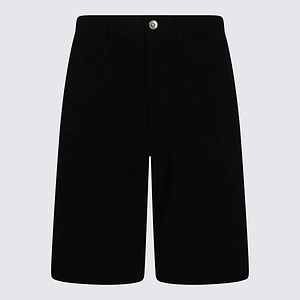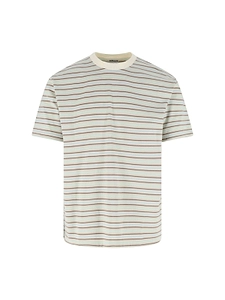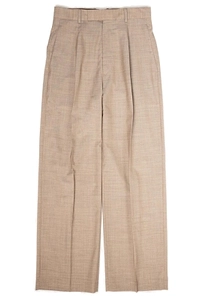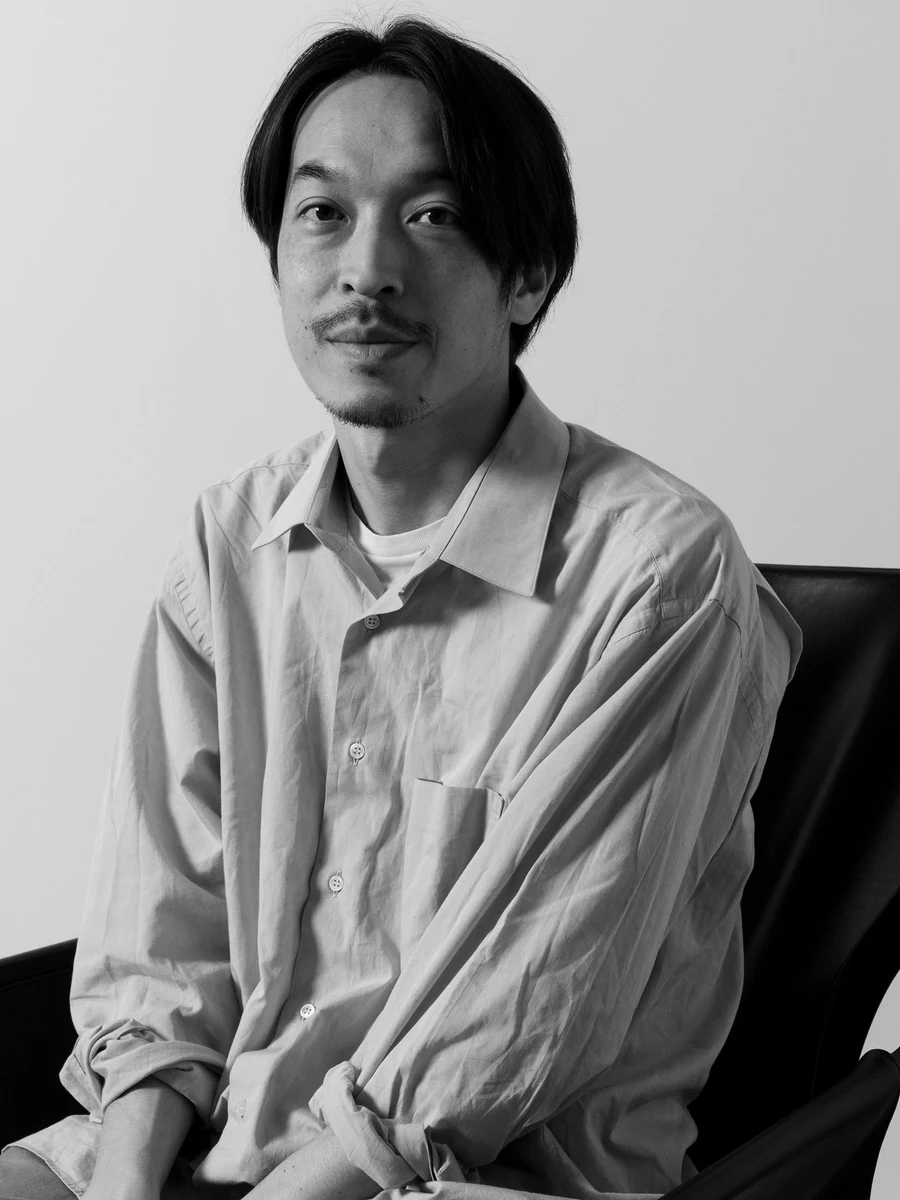
Ryota Iwai
Japanese founder and designer of AURALEE, building subtly evolving wardrobes from original textiles and closely observed daily life.
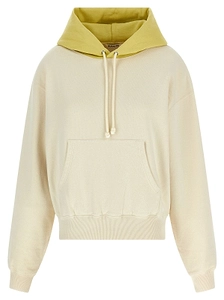
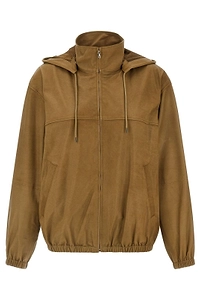
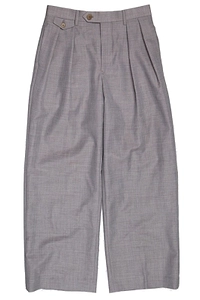
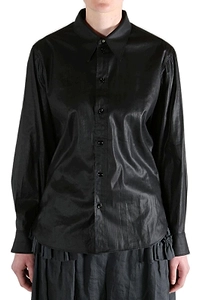
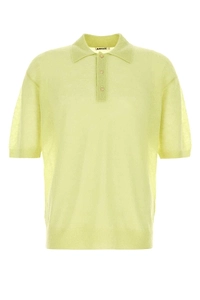
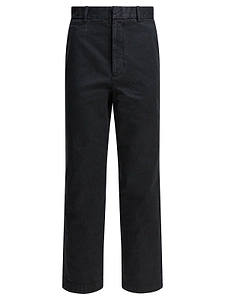
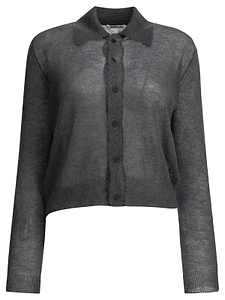
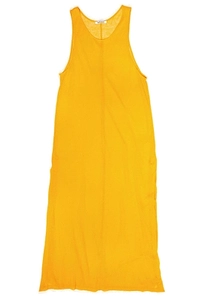
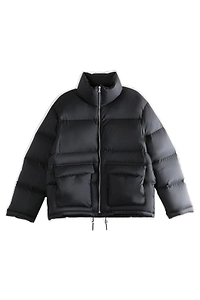
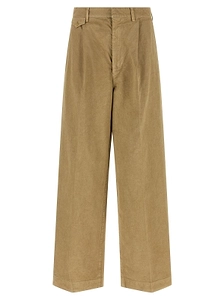
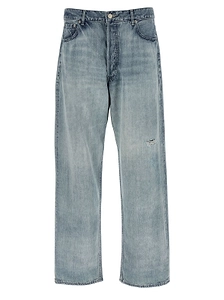
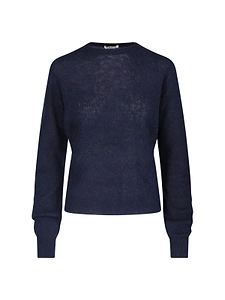
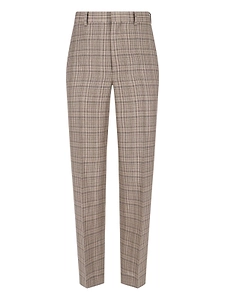
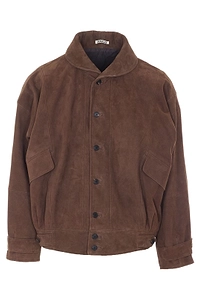
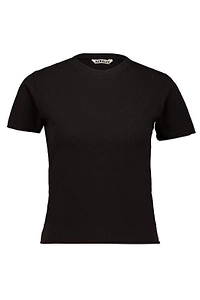
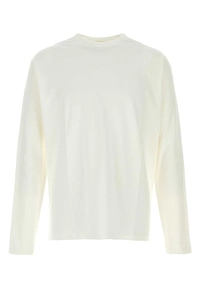
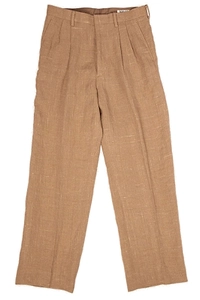
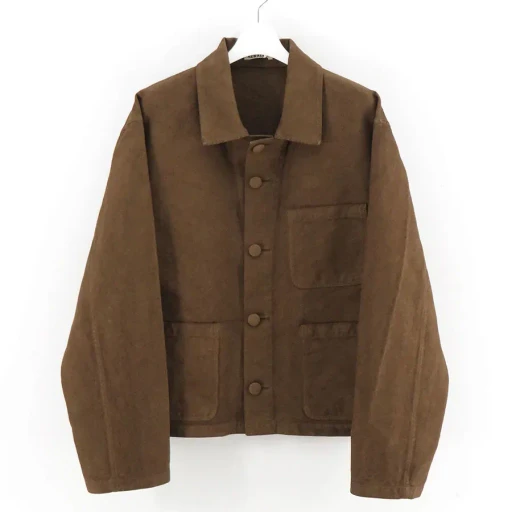
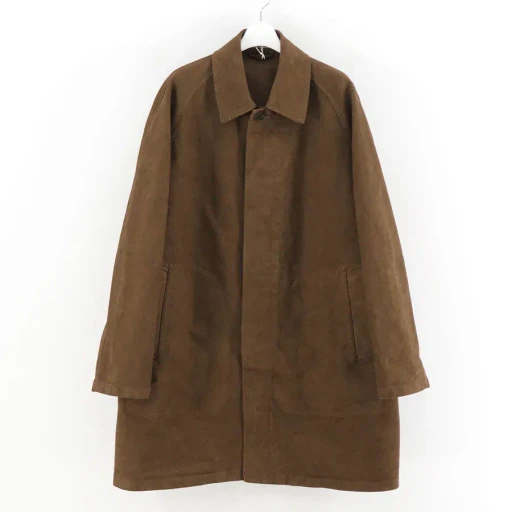
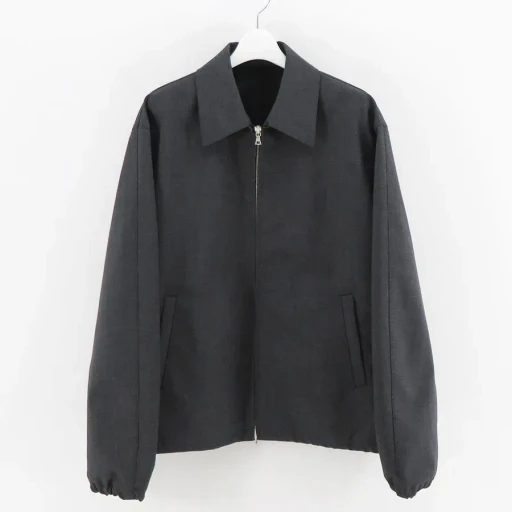
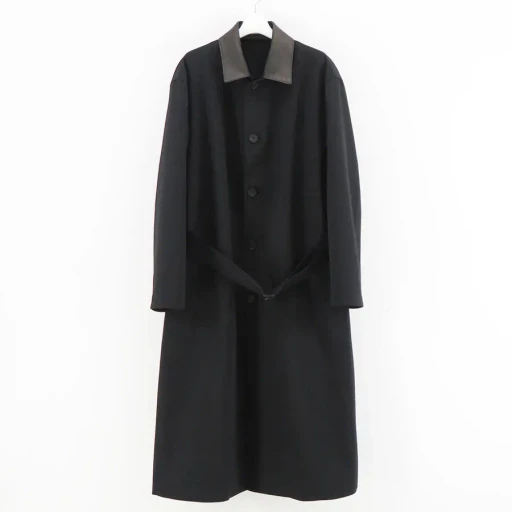
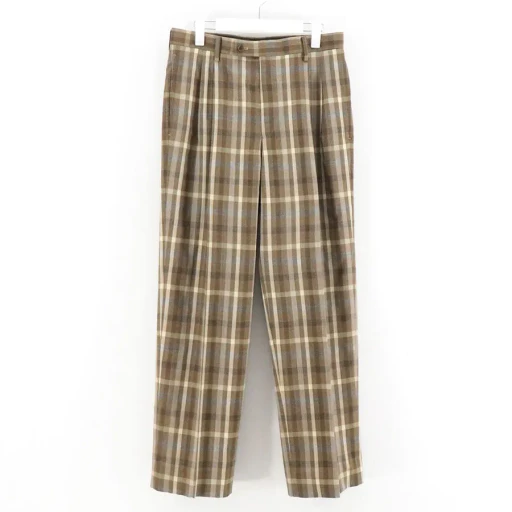
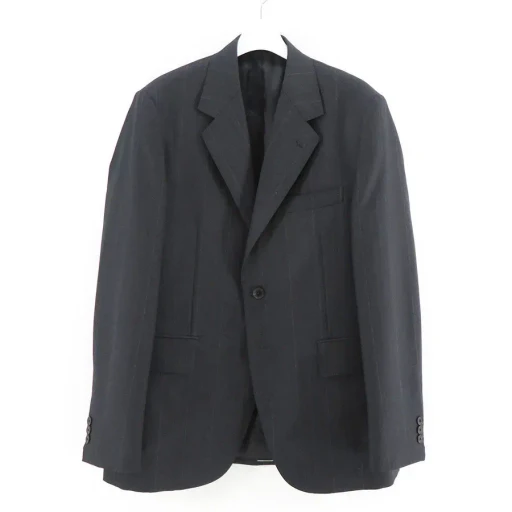
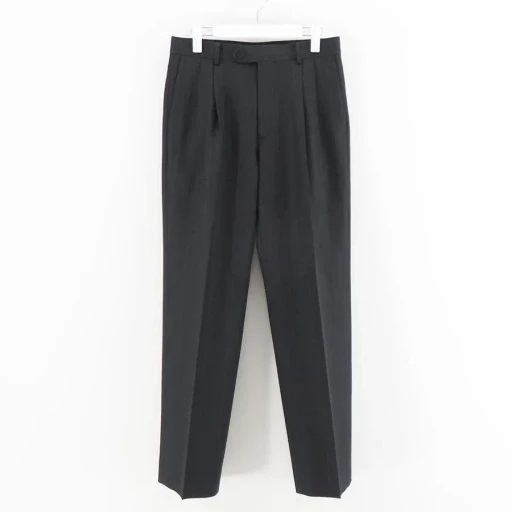
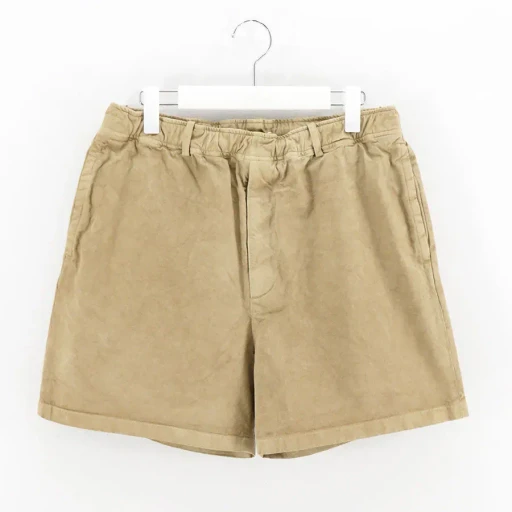
Ryota Iwai is the founder and artistic director of AURALEE, the Tokyo label he launched for Spring/Summer 2015. Its reputation rests on original textiles, restrained colour and clothes that can appear almost ordinary until they are worn. That apparent plainness is active rather than neutral: the exact weight of a knit, the air between shirt and body, or a colour that sits between familiar names supplies the distinction. Iwai's subject is not the perfect basic but the small emotional charge a garment can add to an ordinary day. (AURALEE; Vogue Japan)
Iwai was born in Kobe in 1983. At university he studied commerce and worked in a second-hand clothing shop; after moving to Tokyo, he attended Bunka Fashion College at night. He initially wanted to work somewhere in clothing rather than pursue the heroic image of a fashion designer. A direct approach to the label norikoike led to work in pattern cutting and design, where he learnt the discipline of elegant construction. (Men's Non-no; Numero Tokyo)
The path was useful because pattern cutting taught Iwai to judge clothing in volume, while his later relationship with textile wholesaler Clip Clap made material development commercially possible. AURALEE began from that fabric background. Instead of sketching a complete silhouette and then shopping for something close enough, Iwai could begin with fibre, yarn, weave and finish, allowing the eventual shape to answer the cloth. (Rakuten Fashion Week Tokyo; SHIPS)
Starting from the fibre
AURALEE researches raw materials in Japan and abroad, then works with specialist mills to make its fabrics. Egyptian Finx cotton, Mongolian cashmere, Peruvian alpaca, wool from particular breeds and regional Japanese weaving or finishing are not included as a luxury ingredient list. Their fibre length, crimp, softness and resilience determine what a cloth can do. Iwai has compared the process to cooking: the quality of the ingredient matters, but judgement lies in how much seasoning it needs. (AURALEE; Oceans)
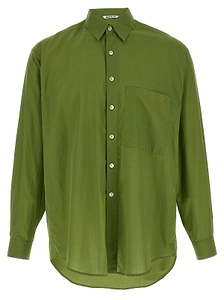
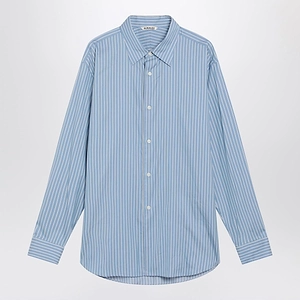
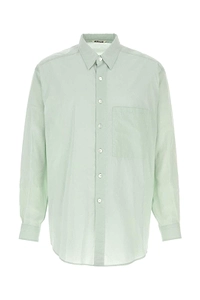
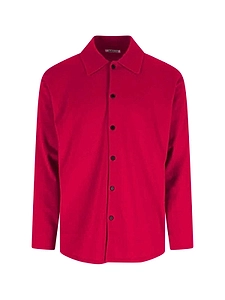
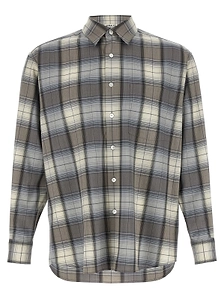
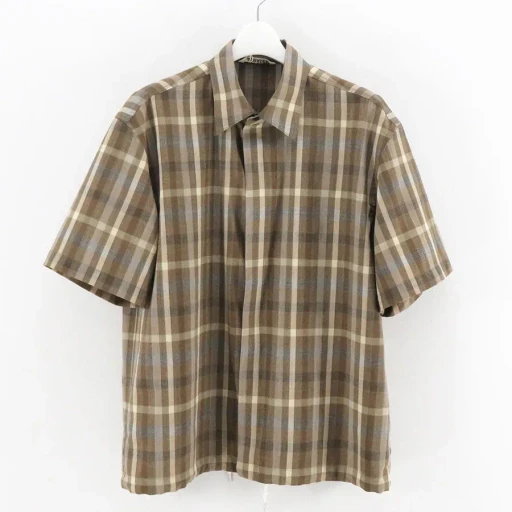
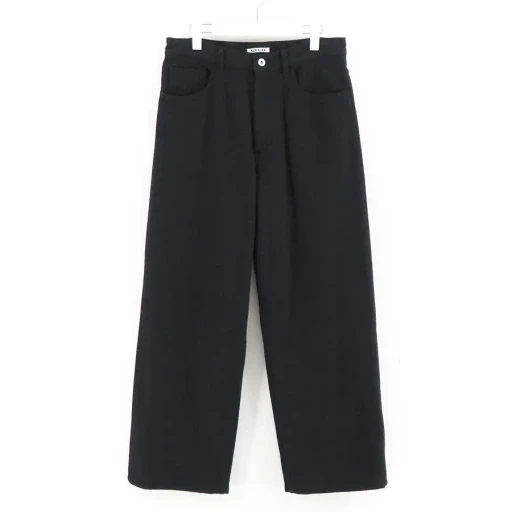
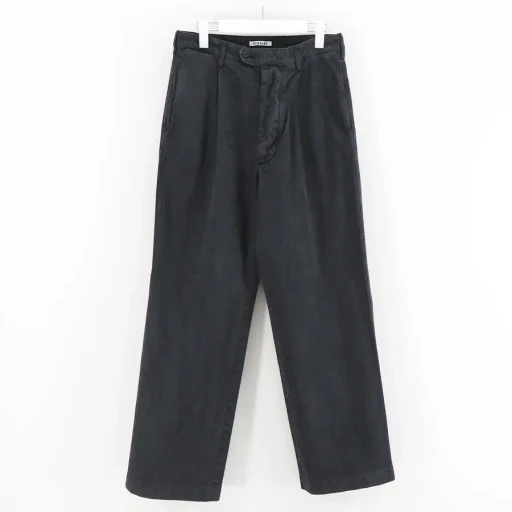
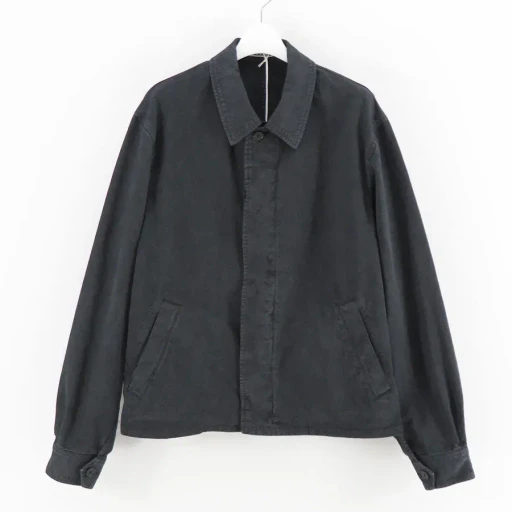
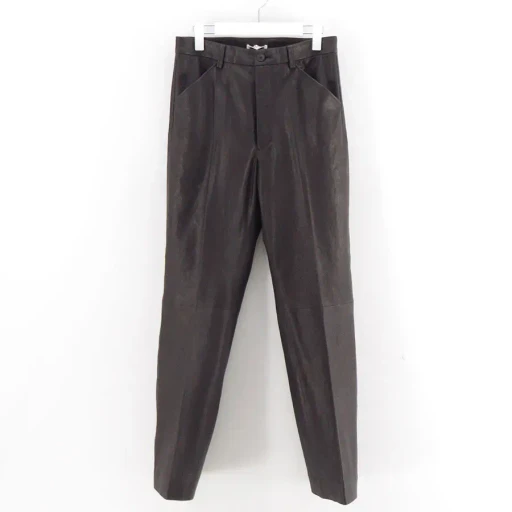
The familiar Washed Finx Twill shirt demonstrates the method. Long-staple cotton permits a smooth, dense cloth; washing removes preciousness and changes its surface, while the generous pattern gives the material room to move. It is recognisably a shirt, not an exercise in visible innovation. Its difference is registered through touch, fall and repeated wear—qualities poorly communicated by a front-on product image. (Numero Tokyo; SHIPS)
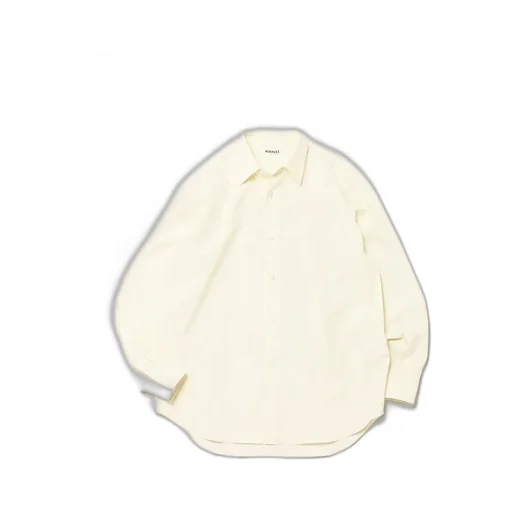
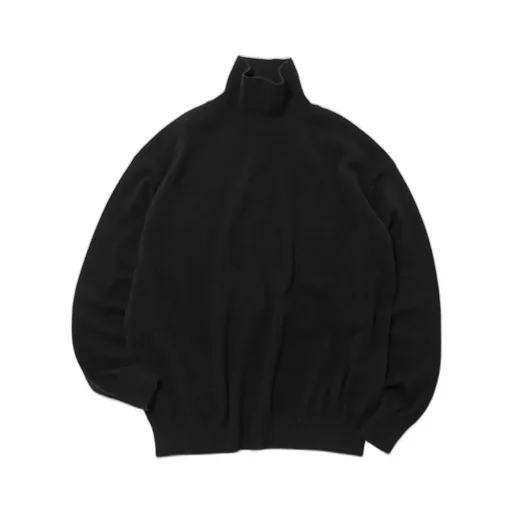
This material focus can be misunderstood as a belief that expensive fibre designs the garment by itself. Iwai's training makes the opposite clear. Weight and silhouette are adjusted together, and colour is tested against a fabric's surface. A dry tropical wool and a brushed cashmere absorb the same dye differently; the collection succeeds when those distinctions form a wardrobe rather than a disconnected textile showroom. (Vogue Japan; AURALEE)
Long relationships with Japanese makers are central. Iwai has worked with many of the same weaving factories since the first collection, developing trust through repeated conversation. The result should not be flattened into a vague story about uniquely Japanese perfection. It is a practical network: designers, yarn suppliers, dyers, weavers and finishers solve specific problems together, and their accumulated knowledge limits as well as enables the cloth. (Rakuten Fashion Week Tokyo)
Colour without spectacle
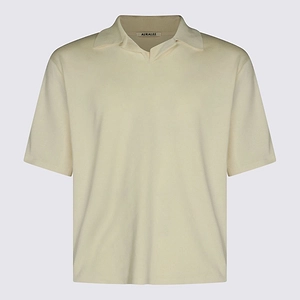
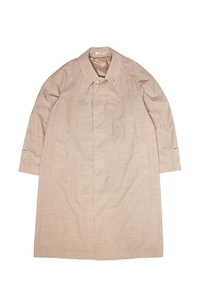
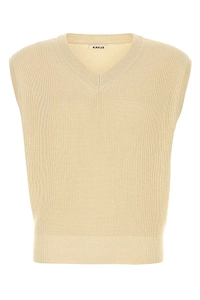
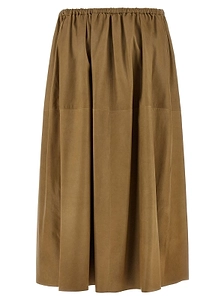
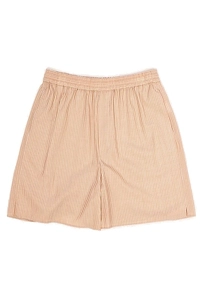
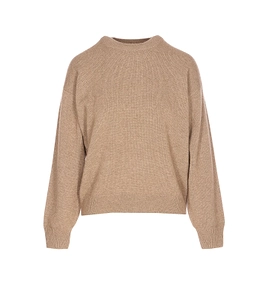
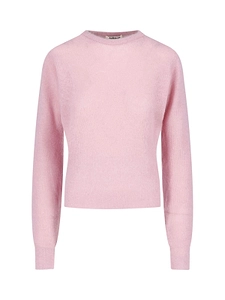
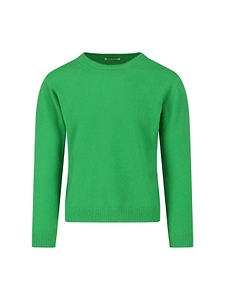
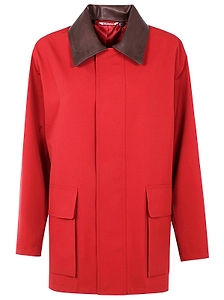
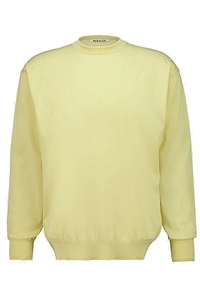
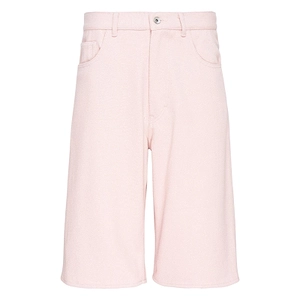
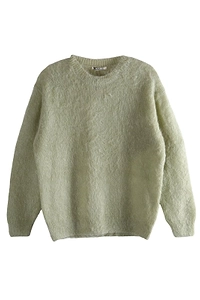
Iwai's colours often resist a clean label: faded apricot, dusty turquoise, tobacco, weak lavender, the green-grey of an office interior. He builds combinations by looking at the world around him rather than selecting one fashionable colour story. Because forms remain legible, colour can shift their mood without making them costume. A severe overcoat softens in a milky tone; an otherwise modest knit becomes memorable in a shade that seems slightly sun-altered. (Men's Non-no; Vogue Japan)
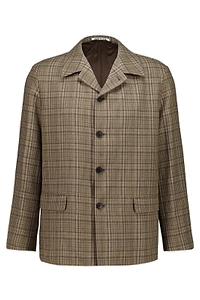
This is one reason “quiet luxury” explains only part of AURALEE. The label does use costly materials and avoids large logos, but Iwai does not seek anonymous wealth signalling or a permanently beige uniform. His collections include awkward checks, saturated layers, translucent fabrics and colours pulled from specific observations. The quietness lies in how gradually an idea arrives, not in the absence of personality. (Vogue Japan; SPUR)
Iwai has said that he is unsure which lineage the clothes belong to; they sit somewhere in between, changing slightly each time. That answer is more precise than calling them timeless. AURALEE pays attention to the present—how people now wear trainers with tailoring, commute, travel or loosen office clothes—without relying on a novelty that will expire at the end of the season. (Vogue Japan)
Learning to show in Paris
AURALEE opened its Aoyama flagship in 2017 and won the second Fashion Prize of Tokyo, designated for 2019, in 2018. The support enabled two Paris presentations. Iwai worried that a neutral, quality-led label lacked the forceful signature expected of Japanese designers abroad, but chose not to exaggerate it for the occasion. The Autumn/Winter 2019 presentation took place around the reconstructed studio of Constantin Brâncuși; the setting made restraint spatial rather than timid. (Fashion Prize of Tokyo; Vogue Japan)
Working with stylist Charlotte Collet changed how Iwai understood a collection. AURALEE had largely presented garments as individual objects; styling let them carry sequence, character and narrative. Paris therefore did more than market an existing product. It fed back into proportion and textile weight, because clothes designed to move through a show must communicate differently from samples hanging in a showroom. (Vogue Japan; Fashion Prize of Tokyo)
The label began staging full Paris runways in June 2023 and joined the official calendar for Autumn/Winter 2024–25. That season treated the route home from work as a collection structure: office references loosened as though a person had left the day's role behind, with an ID-card detail or dry-cleaning bag grounding the image in recognisable life. By Spring/Summer 2027, Iwai was tracing the anticipation, freedom and slight dislocation around a holiday. These are slight narratives, but they give the fabric a human situation. (Silver; Vogue Japan)
Collaboration as material adjustment
AURALEE's continuing work with New Balance is a visible extension of its colour practice. Models including the RC30, WRPD Runner, 990v4, 475 and T500 retain their recognisable tooling while surfaces and closely judged colour combinations move them into Iwai's wardrobe. The 2024 990v4 pair was called Equilibrium and used “in-between” shades; the proposition was balance, not a disruptive new sneaker architecture. (AURALEE; Highsnobiety Japan press release)
The collaboration with Danish textile label Tekla began from bathing culture shared differently across Japan and Scandinavia. Towels, sleepwear and related pieces let AURALEE test domestic ritual rather than merely applying its name to home goods. Such projects are most intelligible when connected to the main practice: fibre, touch, colour and an exact scene of use. (Casa BRUTUS; AURALEE)
Identifying and dating AURALEE
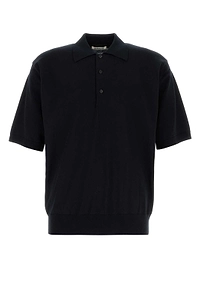
AURALEE's product names often describe the material with unusual precision—Super Fine Tropical Wool, Hard Twist, Washed Finx Twill, Baby Cashmere. Preserve that full name in catalogue records. “Cashmere jumper” discards information that may distinguish several very different products in one season. Record the style code, gendered collection if stated, fibre composition, colour and country of manufacture from the label rather than inferring them from a retailer's shortened title. (AURALEE; SHIPS)
Do not date a piece solely because its cloth is called a signature. Finx shirts, high-gauge knits, gabardine tailoring and New Balance collaborations recur, and Iwai's practice depends on subtle revision. A style code beginning with a year-like element can help, but it should be checked against an official collection or reliable retailer archive. The value of the garment is in its exact material and cut, not in pretending every restrained shirt belongs to an unchanging canon. (AURALEE; Vogue Japan)
Iwai has made modest adjustment into a serious design position. AURALEE asks the viewer to slow down enough to see that “normal” clothing is never settled: another fibre, another shade and another half-inch of air can change how a day feels. (Vogue Japan; SPUR)
References
- AURALEE. “About.” Accessed September 2026.
- AURALEE. Official website. Accessed September 2026.
- Hiroaki Nagahata and Reona Kondo. “オーラリー・岩井良太が語る、『普通』の服を更新し続ける理由.” Vogue Japan, 6 September 2026.
- Mitsuko Watanabe. “AURALEE/岩井良太—編集長×気鋭デザイナー対談.” Vogue Japan, 5 September 2019.
- Rakuten Fashion Week Tokyo. “岩井良太 Interview.” 8 August 2019.
- Fashion Prize of Tokyo. “AURALEE: 2019 Winner.” 2018–19.
- Numero Tokyo. “これからの服作りを探る、デザイナー訪問記 Vol.8 AURALEE.” 31 May 2021.
- SHIPS. “素材とシルエットで勝負する AURALEE デビュー.” 2015.
- SPUR. “オーラリー デザイナー岩井良太にインタビュー.” 2025.
- Bunka Fashion College. “第37回毎日ファッション大賞 新人賞.” 2019.
- Casa BRUTUS. “温泉が繋いだテクラとの限定コラボ秘話.” 2024.
- Men's Non-no. “オーラリーのデザイナー岩井良太は、どんな20代を過ごしたのか.” 2022.
- Men's Non-no. “岩井良太が語るオーラリーの色.” 2025.
- Oceans. “オーラリーデザイナー岩井良太が『何よりも時間をかけるもの』.” 3 November 2019.
- Vogue Japan. “日本発の新クワイエット・ラグジュアリーの魅力とは.” 9 November 2024.
- Fashion Prize of Tokyo. “AURALEE Winner Interview.” 31 July 2019.
- Silver. “Interview with Ryota Iwai.” Accessed September 2026.
- AURALEE and New Balance. “AURALEE × New Balance RC30.” 7 April 2023.
- 原語表記
- 岩井良太
- 学歴
- Bunka Fashion College
- 受賞
- Fashion Prize of Tokyo 201937th Mainichi Fashion Grand Prix New Designer Award and Shiseido Sponsorship Award, 2019