John Galliano
British couturier known for narrative cutting at his own label, Givenchy, Dior and Maison Margiela, now in a two-year partnership with Zara.
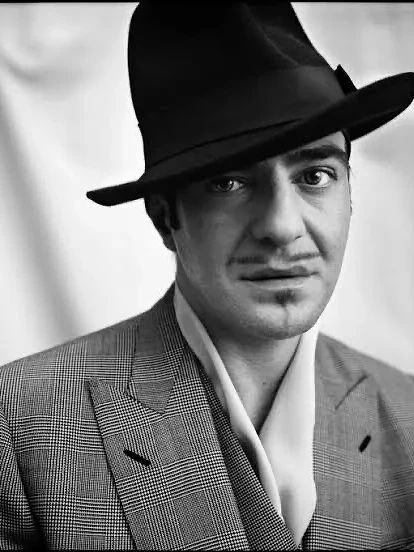
John Galliano is a rare designer whose technique, public image and disgrace are all inseparable from the history of his work. Born in Gibraltar and trained in London, he made historical research and bias cutting into theatrical fashion at his own label, Givenchy and Dior. After Dior dismissed him in 2011 for antisemitic and racist abuse, he returned at Maison Margiela from 2014 to 2024. As of September 2026, he is undertaking a two-year creative partnership with Zara rather than directing a fashion house. (Palais Galliera; Associated Press; British Vogue)
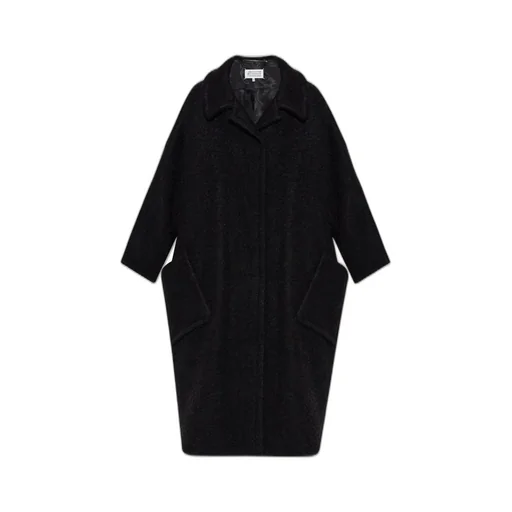
The spectacle can obscure the clothes. Galliano builds characters through cut: cloth draped on the bias, jackets pitched forward, spiral skirts and corsetry used as architecture. His research becomes physical, but cultures, poverty and trauma have also become visual material inside fantasies that leave little space for the people represented. (Vogue; Metropolitan Museum of Art)
Gibraltar, South London and Les Incroyables
Juan Carlos Antonio Galliano Guillén was born in Gibraltar on 28 November 1960 to a Gibraltarian father and Spanish mother. The family moved to South London when he was six. He attended Wilson's Grammar School and entered Saint Martin's School of Art in 1979, studying fashion illustration before his tutor Sheridan Barnett pushed him to turn his final drawings into clothes. London club culture supplied an informal parallel education in self-invention, music and performance. (British Vogue; Vanity Fair)
His 1984 graduation collection, Les Incroyables, translated the dandies of post-Revolutionary France into enormous coats, high collars, distressed tailoring and tea-stained organza. Friends modelled; soul music collided with “La Marseillaise”; and Browns bought the collection for its South Molton Street shop. The historical reference was already functioning as a design engine rather than costume reproduction: proportions were exaggerated, fabrics aged and garments made to appear as if they had survived their own story. (Vogue; Vogue España)
His London label earned acclaim but repeatedly ran short of money. Galliano moved to Paris in 1989, and Fall 1994 happened only after Anna Wintour and André Leon Talley helped connect him with new backers and the house of São Schlumberger. (Vanity Fair; Vogue)
Kate Moss, Naomi Campbell and Shalom Harlow modelled largely black dresses in Schlumberger's decaying hôtel particulier. Bias cutting places pattern pieces diagonally to the fabric grain, letting cloth stretch and fall around a moving body. Galliano did not invent it, but made its liquid motion central to late twentieth-century fashion. (Vogue; Vogue)
Givenchy and the British arrival in Paris couture
In July 1995 LVMH appointed Galliano to succeed Hubert de Givenchy, making him the first British designer to lead an established French couture house. He presented his first couture collection on 21 January 1996 and completed only one ready-to-wear season. (The Washington Post; Vogue Runway; V&A)
On 14 October 1996 he moved to Christian Dior, while Alexander McQueen succeeded him at Givenchy. The appointments were billed as a British invasion, although Galliano had spent twelve years building the language that LVMH now placed on a global platform. (Palais Galliera; Vogue)
Dior: an archive turned into theatre
Galliano's first Dior collection was presented on 20 January 1997, fifty years after Christian Dior's debut. He transformed the Bar jacket's waist and padded hip through Edwardian, Masai, surrealist or cinematic stories while keeping the house silhouette legible. Amanda Harlech, Steven Robinson, Stephen Jones, Pat McGrath, Guido Palau and Michael Howells were central collaborators. (Palais Galliera; Vogue)
Spring 1998 couture occupied the Palais Garnier staircase; Spring 1999 filtered Dior through Surrealism and Schiaparelli; Spring 2004 enlarged ancient Egyptian forms into monumental bodies. Casting, movement, music, make-up and venue made the show a complete medium, sometimes almost overwhelming the clothes. (Vogue Runway; V&A)
The asymmetrical Saddle bag, conceived in 1999 for Spring 2000, turned equestrian equipment into a body-hugging logo object. Oblique canvas and newspaper graphics then travelled across bags and ready-to-wear; the newspaper dress worn by Sarah Jessica Parker as Carrie Bradshaw remains a period marker. (British Vogue; British Vogue)
Some of that image-making deserves a harder reading. The Spring 2000 couture collection, often called “Homeless” or “Tramp,” converted the layered dress of unhoused Parisians into distressed luxury and provoked immediate objections from homelessness advocates. Other collections freely combined racial and cultural signs into fictional characters. Technical virtuosity does not cancel the unequal power involved when real identities or deprivation become an elite spectacle; the controversy is part of how the work was made and received, not an external footnote. (The New York Times archive discussion; Metropolitan Museum of Art)
The 2011 collapse
After a February 2011 altercation at a Paris bar, a separate video circulated showing Galliano directing antisemitic abuse at patrons and declaring affection for Hitler. Dior began dismissal proceedings on 1 March; his namesake company also removed him. In September a French court convicted him of public insults on grounds of religion, race or ethnicity. (Le Monde; Los Angeles Times)
Galliano apologised and entered addiction treatment. In a 2013 interview he described studying Jewish history, meeting Jewish leaders and attempting to atone. Addiction helps explain his deterioration but does not excuse the abuse, and later work cannot decide whether forgiveness is owed. (Vanity Fair; Jewish Telegraphic Agency)
Oscar de la Renta brought him into the studio for Fall 2013, and Central Saint Martins let him teach a small course after consulting its students. On 6 October 2014 Renzo Rosso appointed him at Maison Martin Margiela—a test of whether collective anonymity could absorb fashion's most theatrical auteur. (Vogue; Time)
Margiela: technique in place of autobiography
Galliano's first Artisanal collection appeared in London on 12 January 2015 as “Martin” disappeared from the brand name. He skipped the runway bow, wore the white studio coat and learned the house's recuperation and exposed process. The aim was not to imitate the founder but to subject Galliano's habits to another system. (Vogue; Metropolitan Museum of Art)
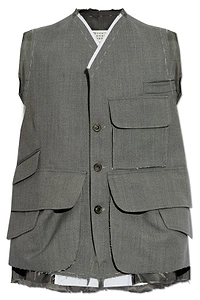
He joined both designers' languages through named techniques. Décortiqué reduced a garment to structural bones; Recicla authenticated and reworked found pieces; Memory of retained traces of removed elements; Unconscious Glamour studied habitual dressing gestures. The terms gave the atelier a shared grammar for transformation. (Metropolitan Museum of Art; Maison Margiela)
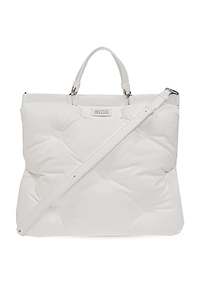
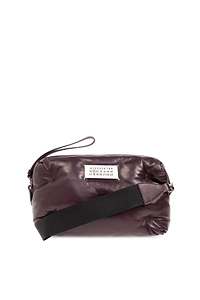
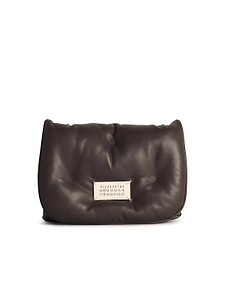
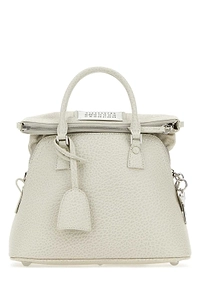
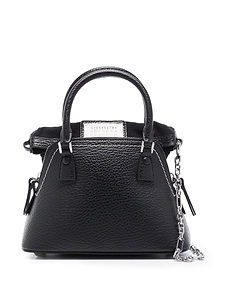
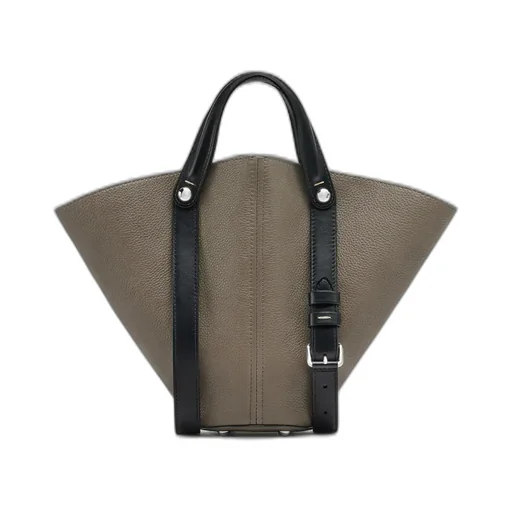
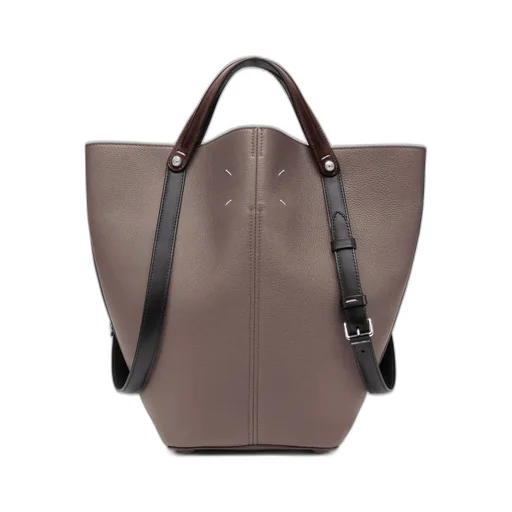
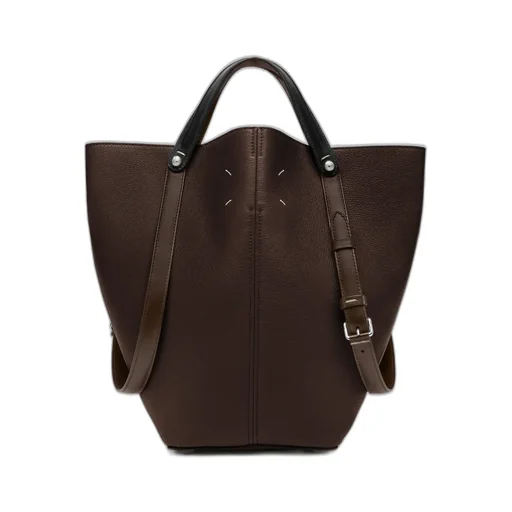
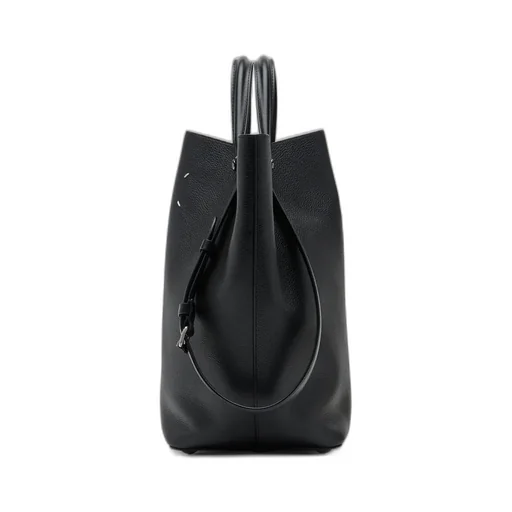
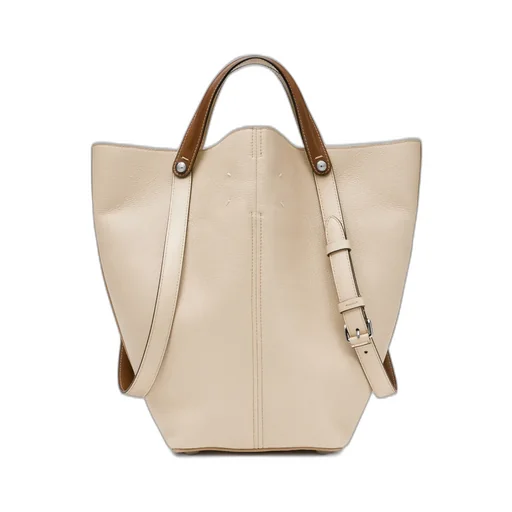
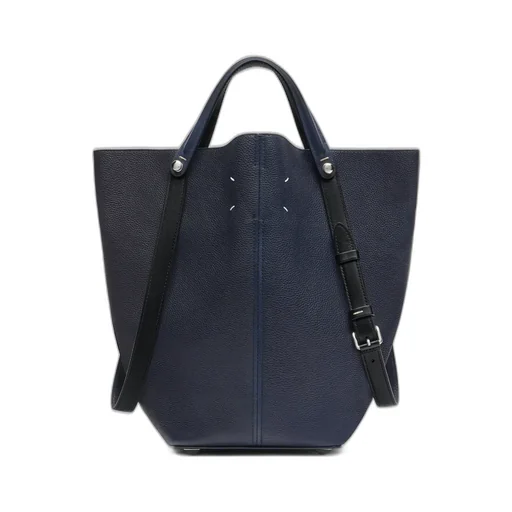
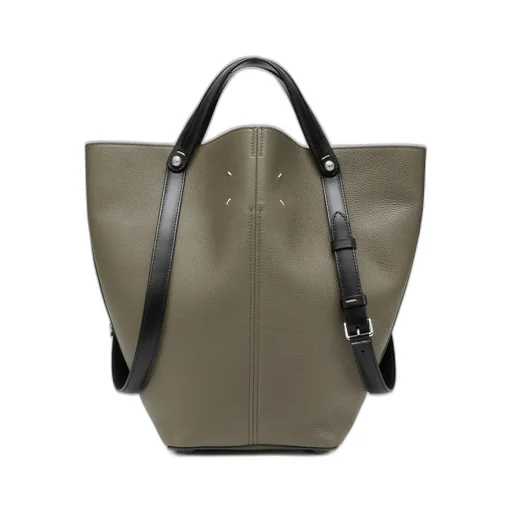
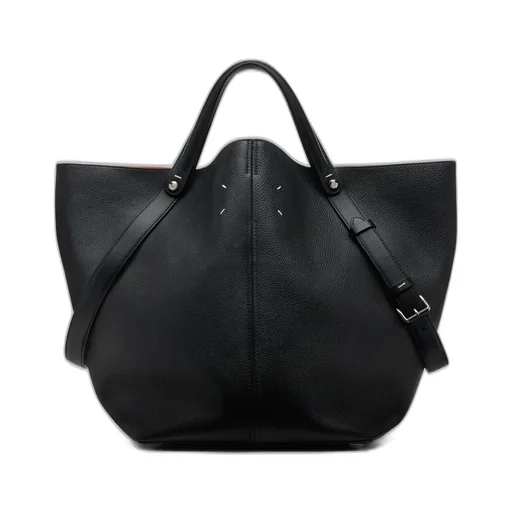
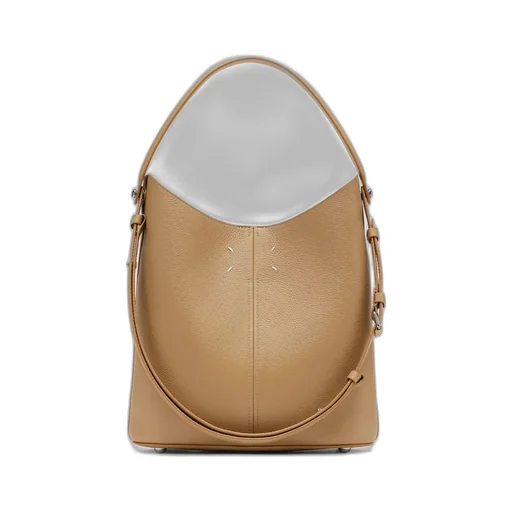
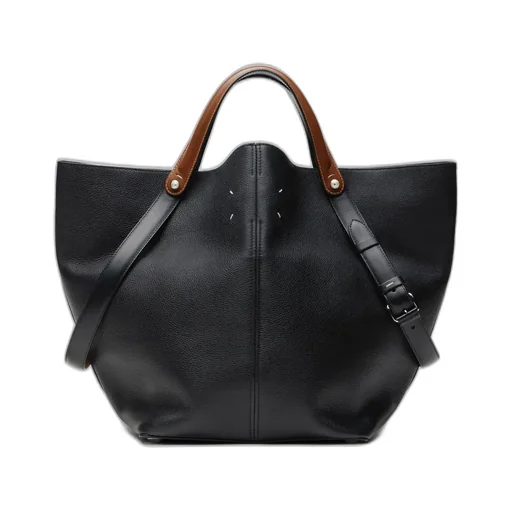
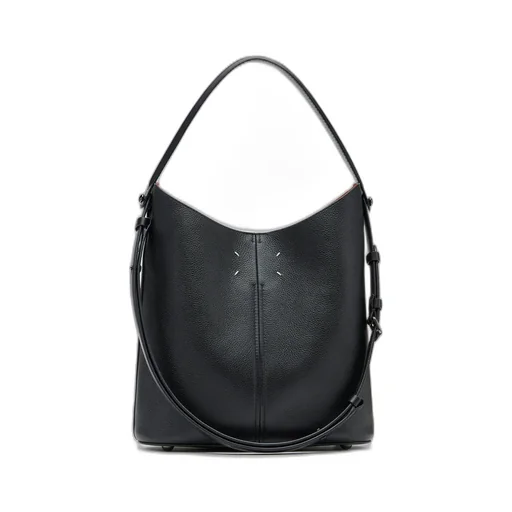
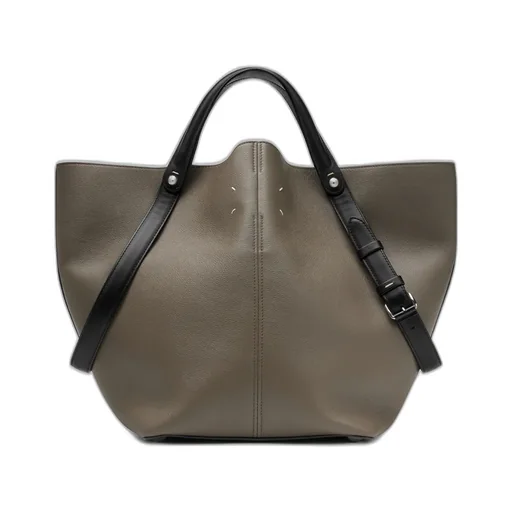
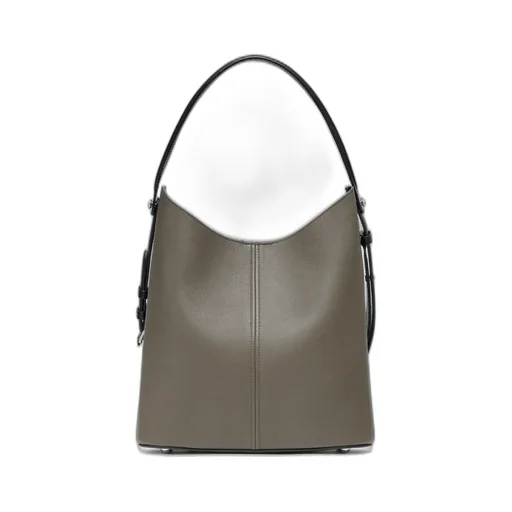
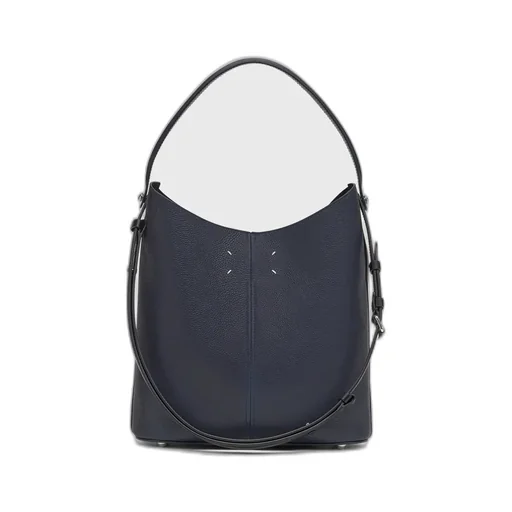
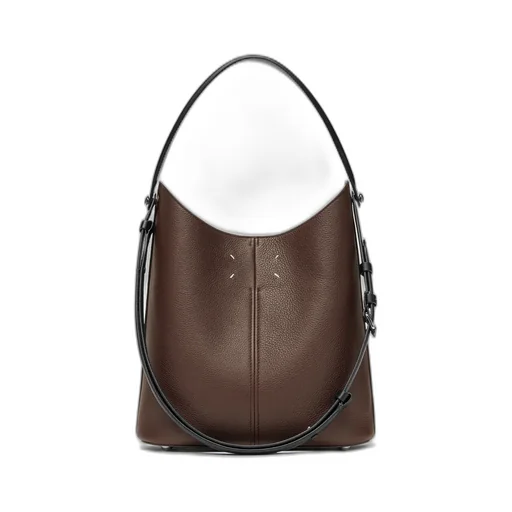
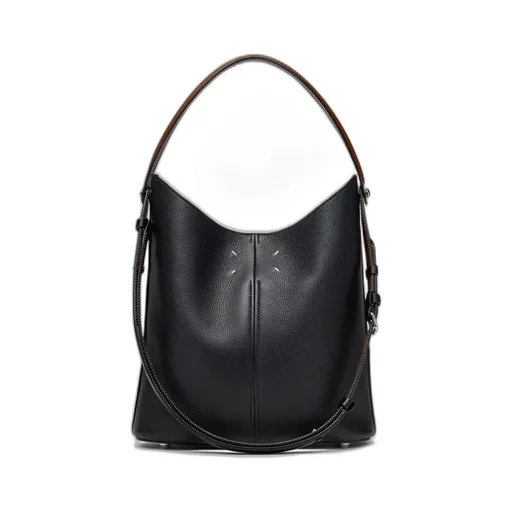
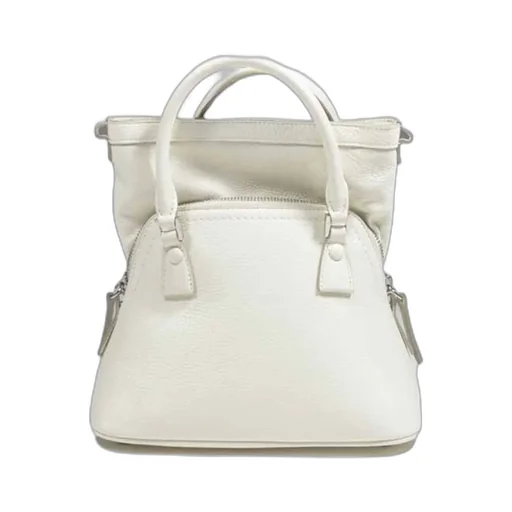
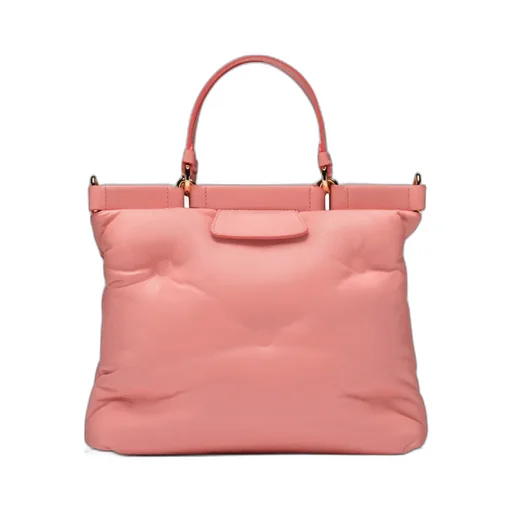
Galliano also gave the house durable commercial objects. The 5AC, introduced with Spring 2016, turns its lining outward so the internal label and drawstring alter a conventional top-handle bag. The quilted Glam Slam, presented for Spring 2018, translated “unconscious glamour” into something soft enough to fold against the body. Both use a recognisable shape without abandoning the house's inside-out logic. (Maison Margiela 5AC announcement; Maison Margiela)
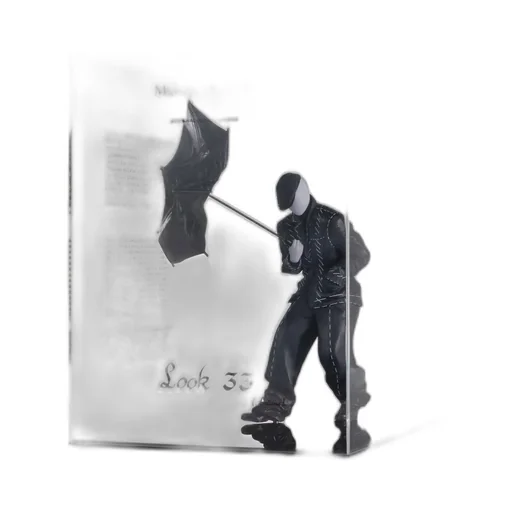
The culmination was Artisanal 2024, staged beneath Pont Alexandre III on 25 January. Corsets, exposed padding, extreme walks and Pat McGrath's glassy make-up created a nocturnal Paris of porcelain figures. An accompanying film made research, fittings and model coaching part of the public work. (Maison Margiela; Vogue)
Galliano announced his departure on 11 December 2024. In a decade, he had moved Margiela from a difficult comeback vehicle to a house capable of holding his narrative intensity while preserving its founder's questions about process. Glenn Martens succeeded him on 29 January 2025. (Associated Press; OTB)
Zara and the argument that did not end
On 17 March 2026 Zara announced a two-year creative partnership—not a creative-director appointment—to “re-author” its archive in seasonal collections. It moves couture-associated methods into a company defined by enormous volume, creating tension between transformation as an idea and fast fashion as a material system. (British Vogue; Business of Fashion)
The Metropolitan Museum of Art then announced John Galliano: Horizons for Spring 2027 and cancelled it on 31 August after objections centred on his abuse and the honour of a solo platform. The decision showed that professional rehabilitation, historical assessment and public absolution are different things. (Metropolitan Museum of Art; Associated Press)
Reading and dating Galliano's work
Galliano designed under several names, so the label is only the start. John Galliano pieces may belong to his own creative tenure from 1984 through March 2011 or to later collections made by the continuing company without him. Givenchy attribution is narrow: his authored collections are principally 1996. Dior pieces from Spring 1997 through Fall 2011 fall within his directorship, though a runway season, internal production code or archive image is stronger evidence than a retailer's approximate date. (Palais Galliera; V&A)
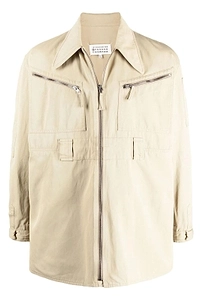
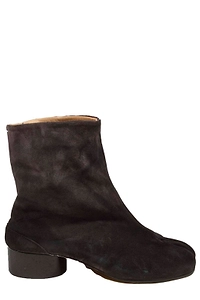
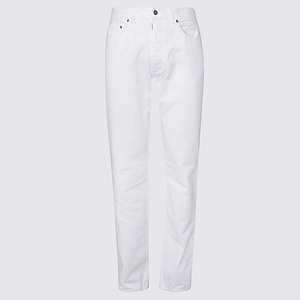
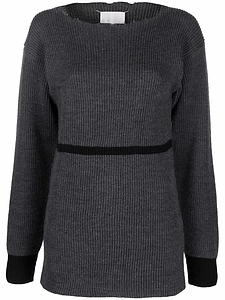
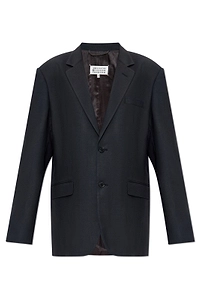
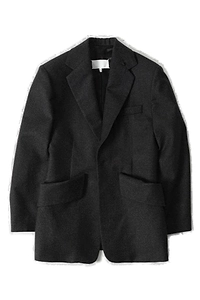
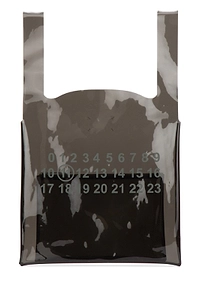
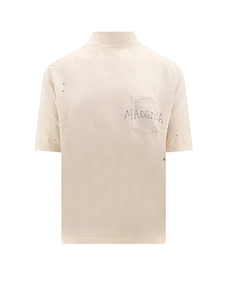
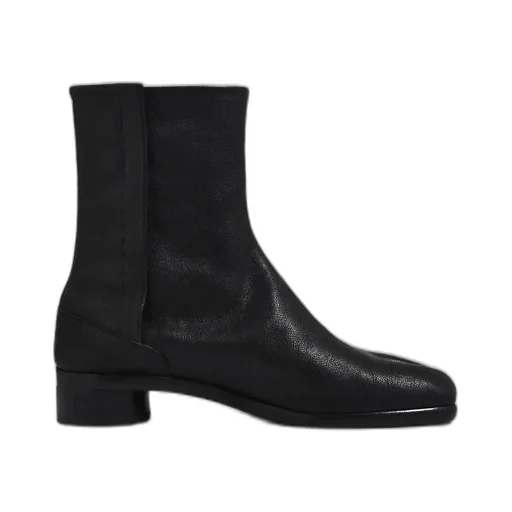
At Maison Margiela, his first shown work is Artisanal Spring 2015 and his last runway statement is Artisanal Spring 2024; commercially released collections continue through the end of his tenure in December 2024. The numbered label identifies a product line rather than a designer or season, and inherited signatures such as Tabi footwear, Replica sneakers and four white stitches originated with Martin Margiela. Galliano-specific evidence is more persuasive when tied to a documented collection, a technique such as Recicla or décortiqué, or products introduced during his tenure such as the 5AC and Glam Slam. See the Maison Margiela number-line guide before using the circled number as evidence. (Maison Margiela; Metropolitan Museum of Art)
Galliano's importance does not require a clean redemption story. His cut and ability to construct a total fashion narrative changed several houses; his abuse caused real harm; his return produced exceptional work; and the argument over institutional honour remains active. A useful biography has to hold those facts together rather than using any one of them to erase the others.
References
- Palais Galliera. “1997, Fashion Big Bang: John Galliano chronology.” 2023.
- Hamish Bowles. “John Galliano's Maison Margiela Artisanal Triumph Was Just One of His Many Unforgettable Shows.” Vogue, 26 January 2024.
- Sarah Mower. “At Dior and Givenchy, John Galliano and Alexander McQueen Shook Paris Fashion to Its Foundations.” Vogue, 31 August 2015.
- British Vogue. “John Galliano and Gwendoline Christie on the future of the fashion show.” 2024.
- Ingrid Sischy. “John Galliano's First Post-Dior Interview—and First-Ever Interview While Sober.” Vanity Fair, July 2013.
- Hamish Bowles. “John Galliano in Conversation.” Vogue, 18 September 2020.
- Robin Givhan. “For Givenchy, the Clothes of an Era.” The Washington Post, 12 July 1995.
- Laird Borrelli-Persson. “Givenchy Spring 1996 Couture.” Vogue Runway, 21 January 1996.
- Victoria and Albert Museum. “Givenchy Catwalk: The Complete Collections.”
- Metropolitan Museum of Art. “Evening dress, House of Dior, Autumn/Winter 2002–03.”
- Laird Borrelli-Persson. “Christian Dior Spring 1999 Couture.” Vogue Runway, 21 January 1999.
- Victoria and Albert Museum. “The Golden Age of Couture.” 2007.
- Alice Newbold. “The Dior Saddle Bag Is Back.” British Vogue, 19 July 2018.
- Alice Newbold. “An Ultra-Rare Version of Carrie Bradshaw's Newspaper-Print Dress Will Go on Sale.” British Vogue, 15 November 2022.
- Maureen Dowd. “Haute Homeless.” The New York Times, 23 January 2000.
- Le Monde. “Christian Dior engage une procédure de licenciement contre John Galliano.” 1 March 2011.
- Kim Willsher. “Designer John Galliano convicted of hurling antisemitic insults.” Los Angeles Times, 8 September 2011.
- Devorah Lauter. “Designer Galliano denies antisemitism, apologizes.” Jewish Telegraphic Agency, 3 March 2011.
- Time. “John Galliano Returns to the Fashion Fold.” 6 October 2014.
- Jonathan Van Meter. “John Galliano Reflects on His New Role Helming Maison Margiela.” Vogue, 23 February 2015.
- Metropolitan Museum of Art. “Recent Acquisitions 2014–2016: Maison Margiela ensemble.” 2016.
- Metropolitan Museum of Art. “Recent Acquisitions 2018–2020: Maison Margiela ensemble.” 2021.
- Maison Margiela. “Introducing the 5AC.” 16 December 2015.
- Maison Margiela. “Introducing the Glam Slam.” 2018.
- Maison Margiela. “Spring/Summer 2024 Artisanal Collection.” 25 January 2024.
- Colleen Barry. “British designer John Galliano leaves Maison Margiela after ten years.” Associated Press, 11 December 2024.
- OTB Group. “Maison Margiela appoints new Creative Director.” 29 January 2025.
- Anders Christian Madsen. “John Galliano Returns to Fashion Via a Creative Partnership With Zara.” British Vogue, 17 March 2026.
- Business of Fashion. “Zara Taps John Galliano to Design Seasonal Collections.” 17 March 2026.
- Metropolitan Museum of Art. “Announcement on The Met's Spring 2027 Costume Institute Exhibition.” 31 August 2026.
- Associated Press. “Amid backlash, museum cancels planned Met Gala exhibit on fashion designer John Galliano.” 31 August 2026.
- Born
- November 28, 1960
- Education
- Central Saint Martins
- Awards
- Commander of the Order of the British Empire, 2001Royal Designer for Industry, 2002Legion of Honour, 2009