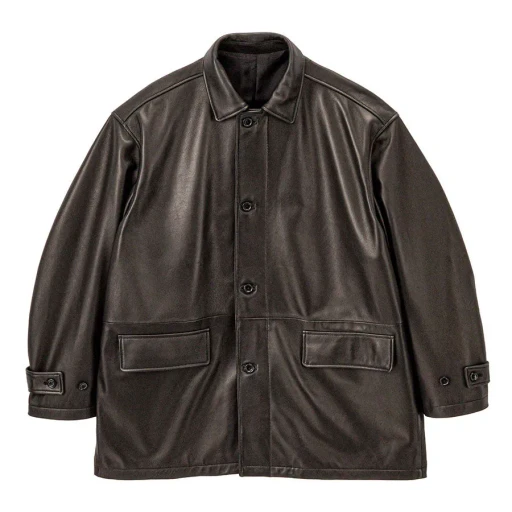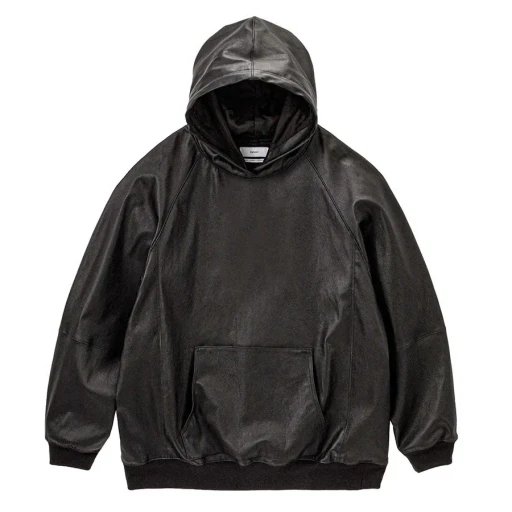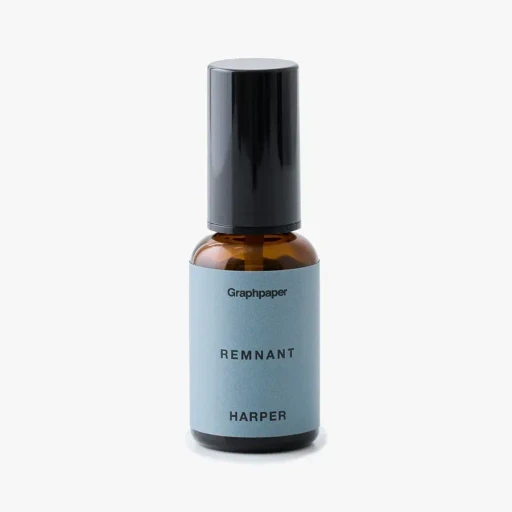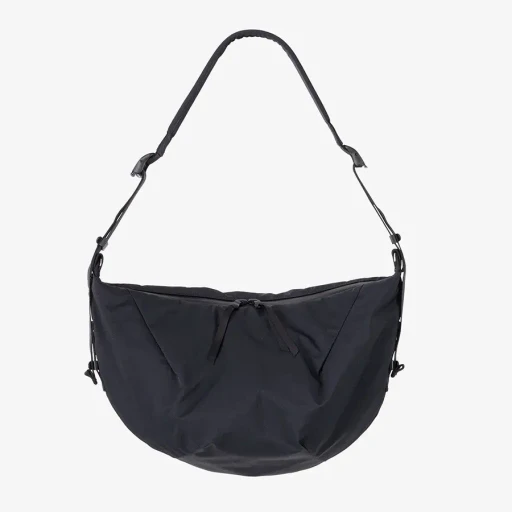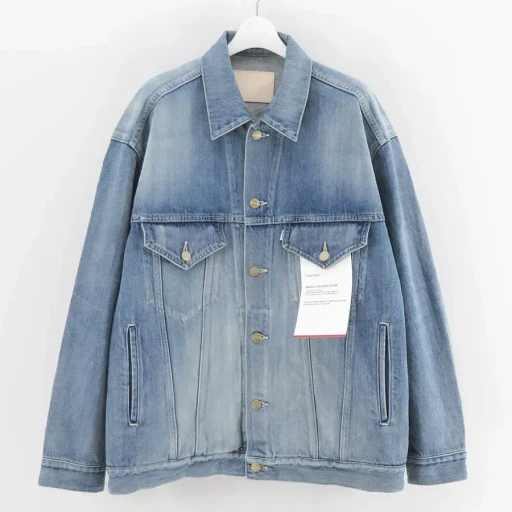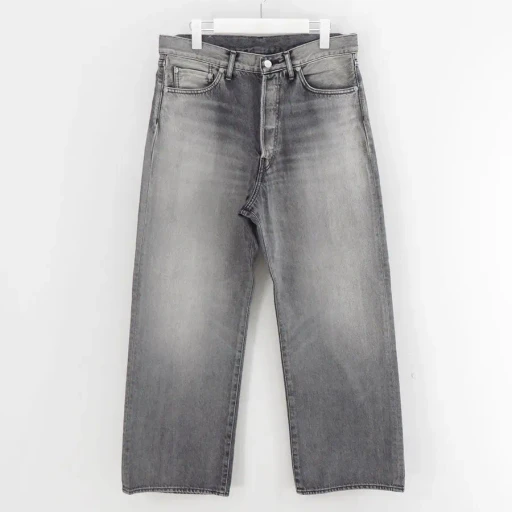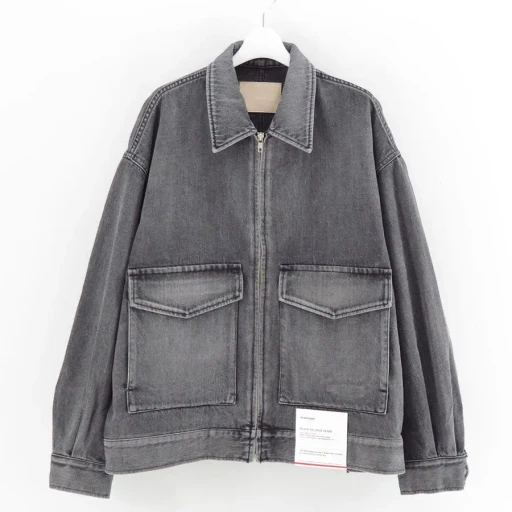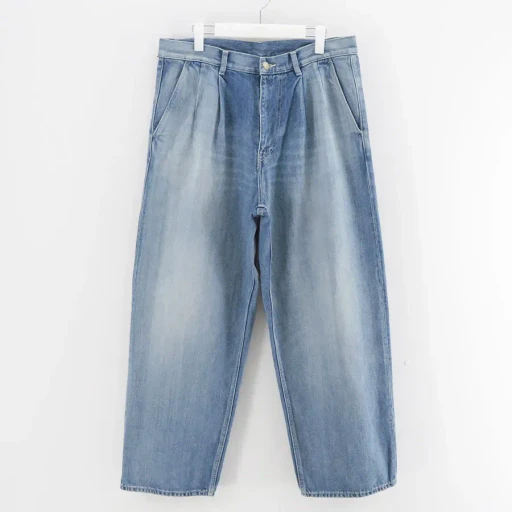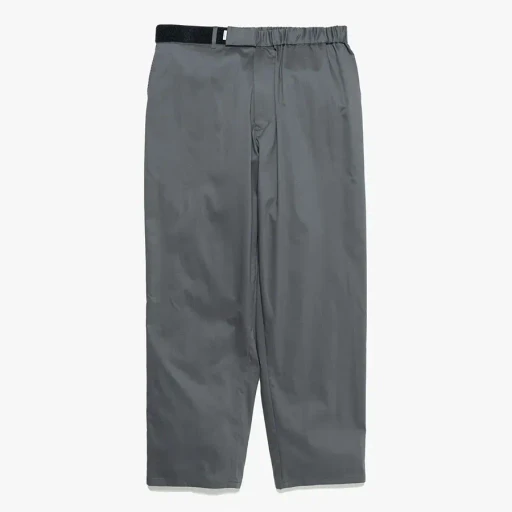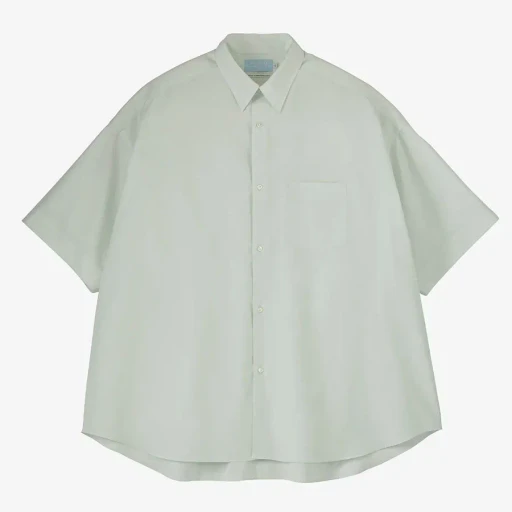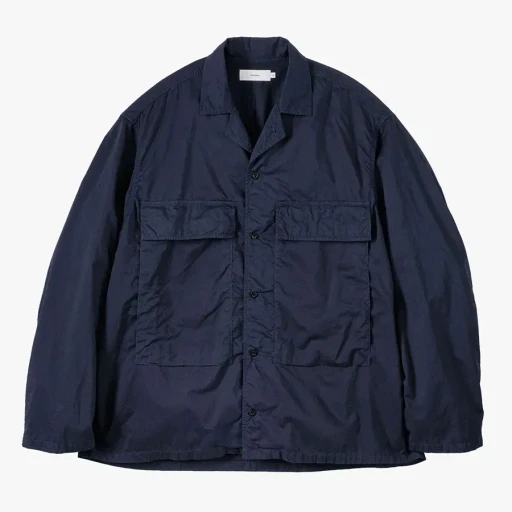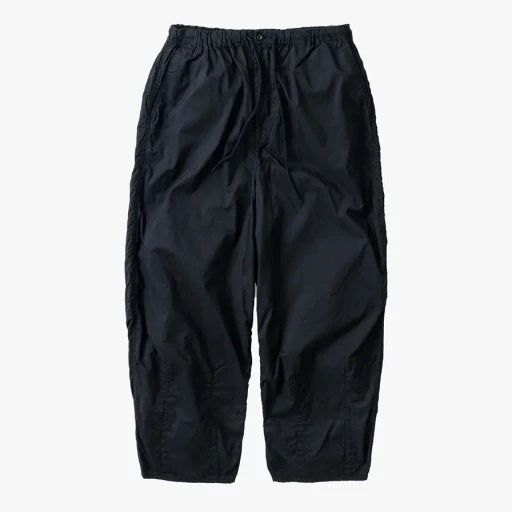
Takayuki Minami
Japanese buyer turned founder and creative director of Graphpaper, the Tokyo label built on a no-season retail idea since 2015.
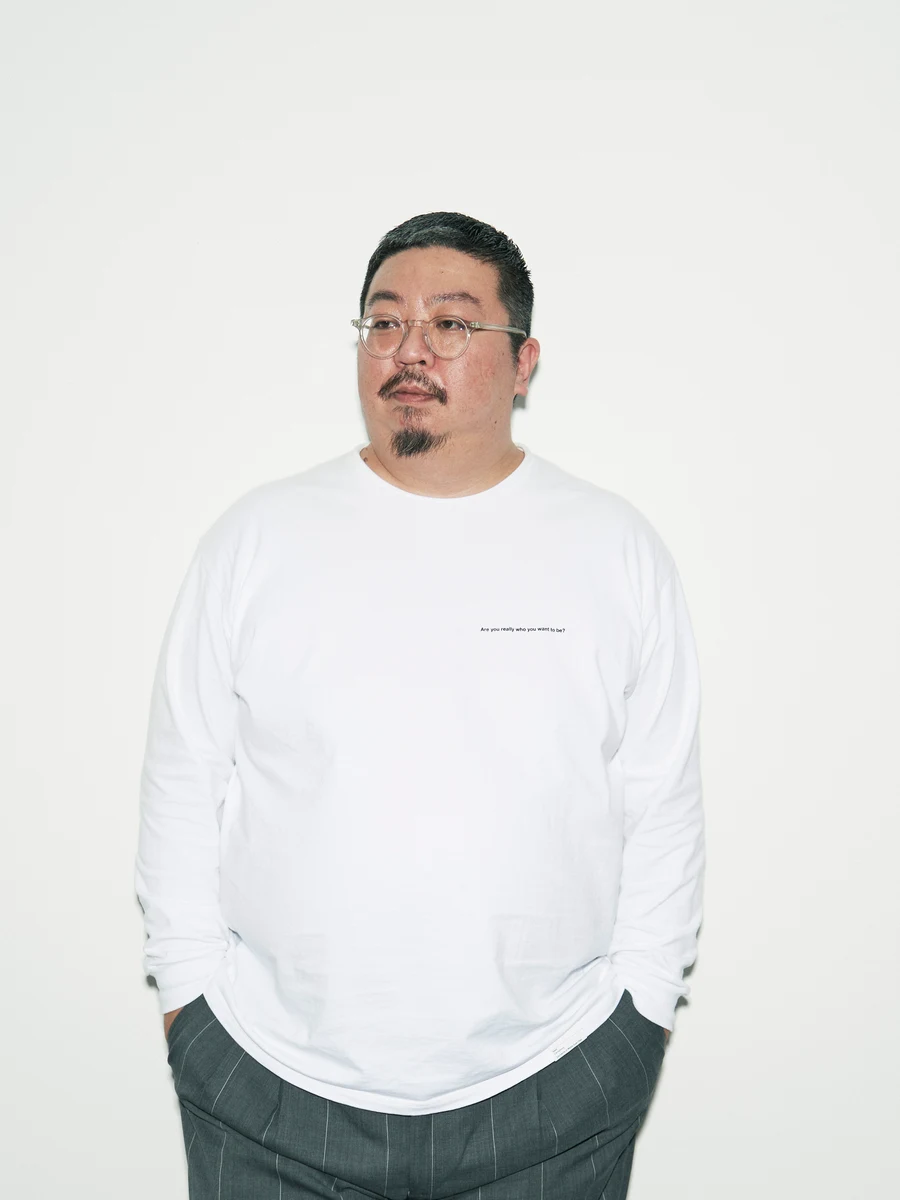
Takayuki Minami did not train as a fashion designer. He came up through Tokyo select-shop retail—as a shop-floor buyer in his twenties, then as a freelance shop director—and only started designing clothes because his own staff needed a uniform. That uniform became Graphpaper, now a Tokyo label carried by roughly fifty stockists at home and, as of its tenth anniversary in 2025, a pop-up presence in Paris. (HONEYEE.COM; EVERMADE; UOMO)
The buyer's background is not incidental. Minami still describes his job as choosing and arranging good things rather than authoring a seasonal narrative, and he has said plainly that he resists the fashion industry's expectation of a wholly different collection every few months. That instinct—curation over reinvention—shapes both how Graphpaper is designed and how its shops are built. (HONEYEE.COM)
From a beauty salon to Cat Street
Minami was born in 1976. By his own account he worked in a beauty salon at twenty, then joined a company affiliated with H.P.France, the Tokyo select-shop group—placing the move in the mid-1990s. At twenty-four he entered an in-house proposal scheme for a building on Cat Street in Harajuku; his pitch was accepted, and the result was the select shop Cannabis, his first real buying job. (HONEYEE.COM; HONEYEE.COM)
He has said the work only became serious once he went freelance and took the director's chair at 1LDK, another Tokyo select shop, sharpening his eye for merchandising and store presentation outside a corporate structure. According to WWDJAPAN, he also served as Japan director for the American select shop Need Supply. When brands began asking him directly for PR help after his time at 1LDK, he needed a proper office and rented a building set back in a Harajuku side alley—the same address that now houses Graphpaper Aoyama. He founded his company, alpha, there as an individual in 2008 and incorporated it in 2012. (HONEYEE.COM; WWDJAPAN; HONEYEE.COM)
Graphpaper: a staff uniform becomes a label
Minami opened his first shop, Graphpaper, in that Harajuku alley building in February 2015. He has cited curator Harald Szeemann's 1969 exhibition When Attitudes Become Form as a reference point for the interior: a square, symmetrical room lined with black canvas panels, with most stock stored out of sight behind them so that only a curated handful of pieces sat on display like objects in a gallery rather than a shop floor of options. (100%LiFE; Mastered)
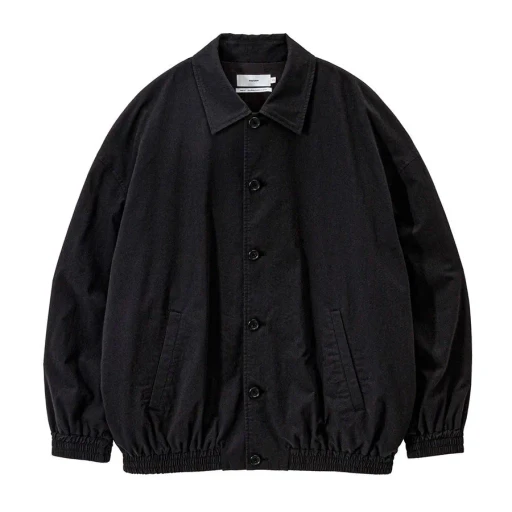
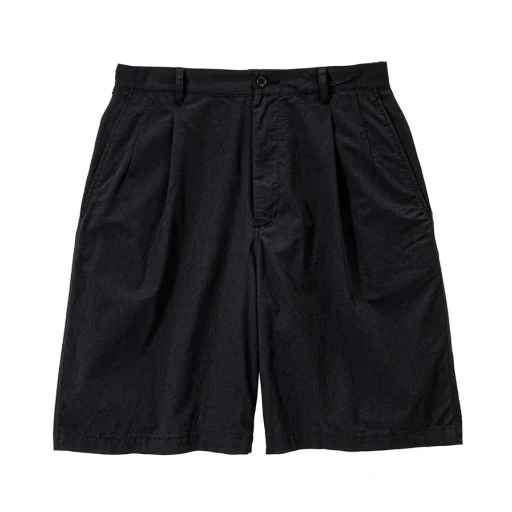
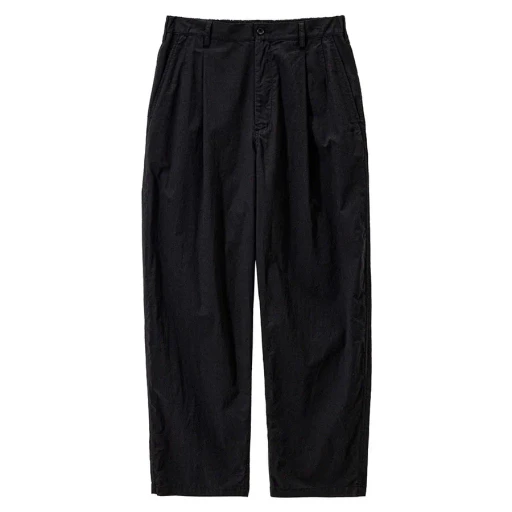
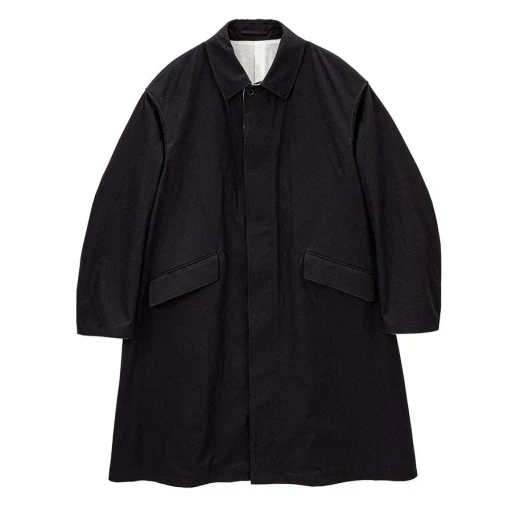
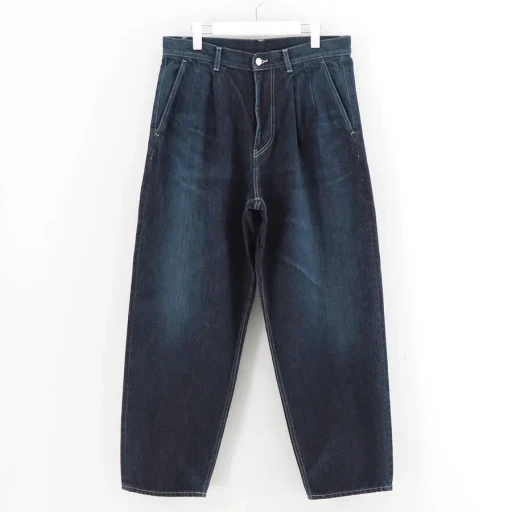
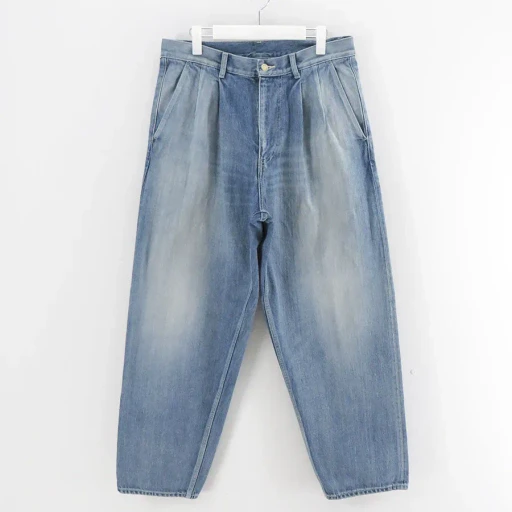
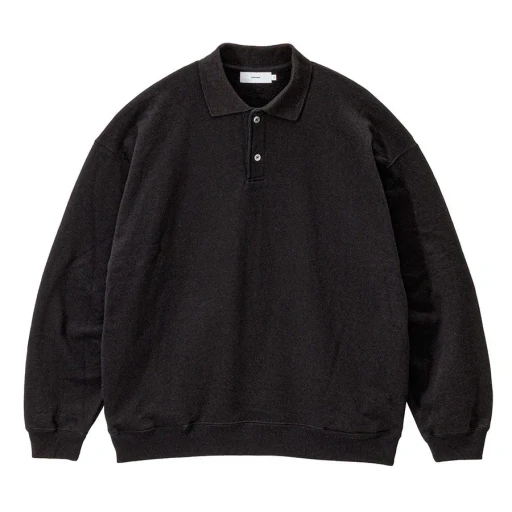
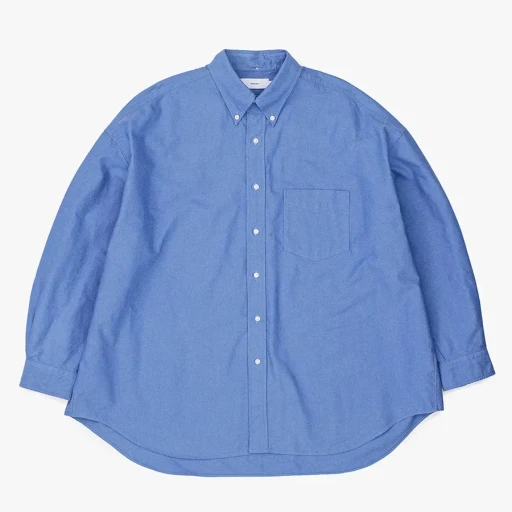
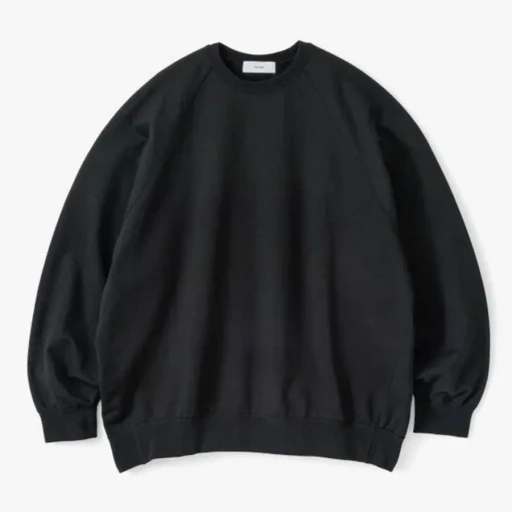
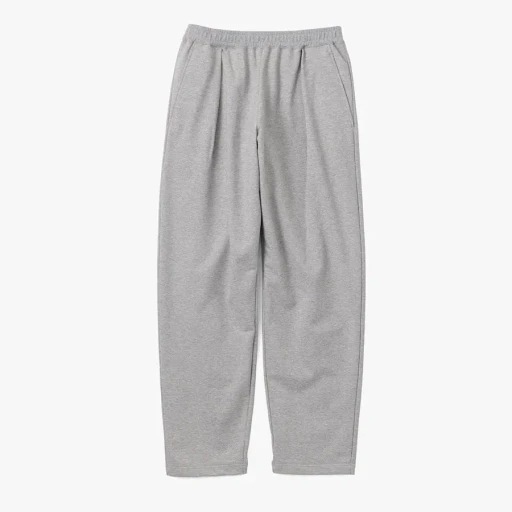
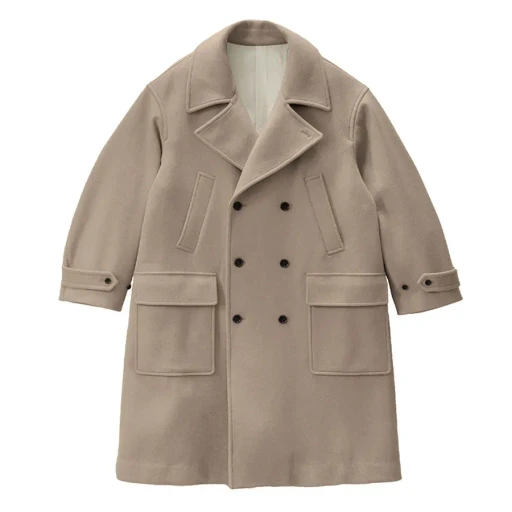
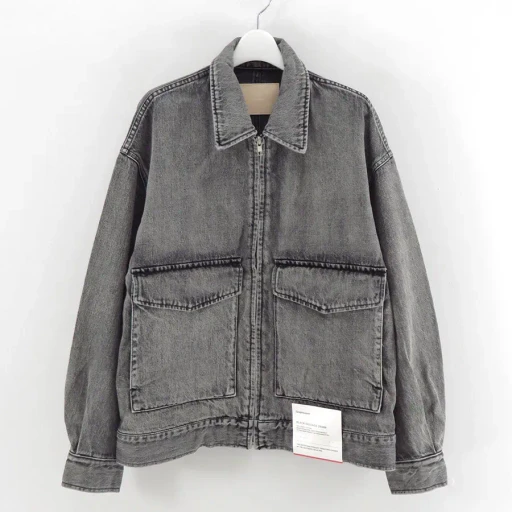
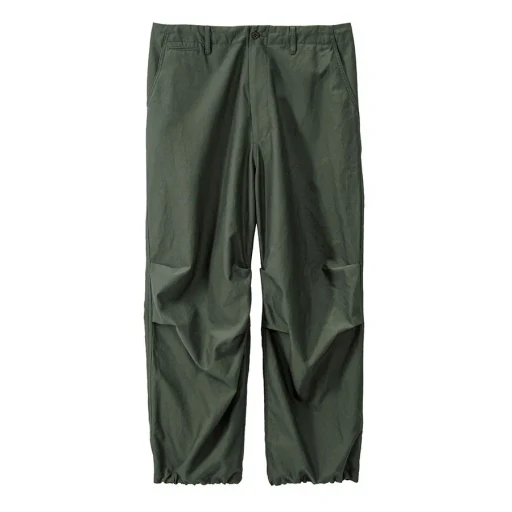
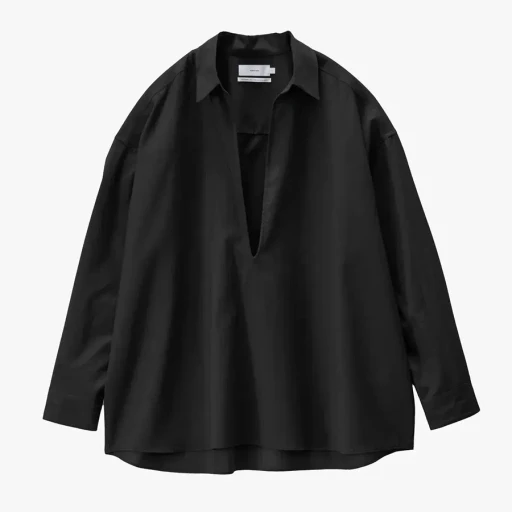
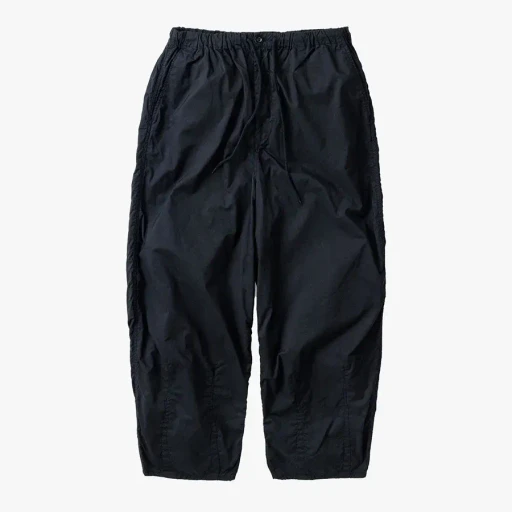
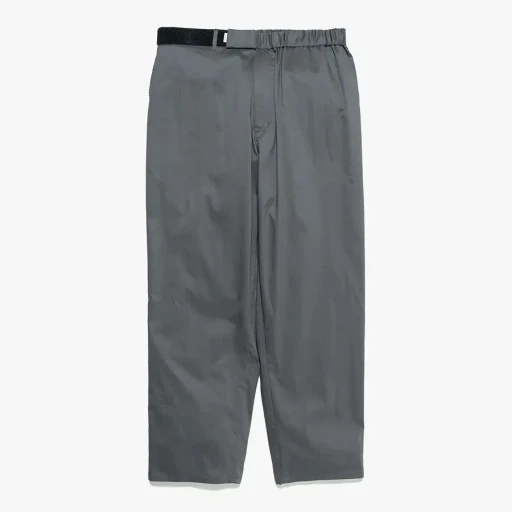
Graphpaper the brand began, deliberately, as background. Minami designed a shop coat and a pair of chef pants as staff uniform so his sales team would not compete visually with the curated stock around them—items meant to be, in his words, without flavour of their own. Wholesale buyers who saw the uniform on staff started asking to carry it, and from the Spring/Summer 2016 season Graphpaper grew into a full original line; the brand began selling wholesale to other stores in 2017, and by the end of that decade had reached roughly fifty stockists across Japan. Additional Graphpaper shops now operate outside Tokyo, including in Kyoto and Sendai, alongside the original Aoyama address and a later Hibiya location. (HONEYEE.COM; WWDJAPAN; EVERMADE; Fashion Press)
Ten years on, Minami took Graphpaper to Paris for the first time: a pop-up in the Marais, at 21 Rue Chapon, opened in June 2025, backed by a European office set up in Amsterdam that May. He has said the motive was closer to testing an idea than chasing European sales, and that he had braced himself to sell nothing at all. Parisian buyers pushed back on Graphpaper's signature oversized cut, preferring closer-to-standard sizing, but the brand's grey colourway—a difficult shade to sell at home—performed better there than black or white did, a result Minami said he was genuinely pleased by. (UOMO)
No season: refusing to reinvent the wardrobe
Graphpaper's clearest design principle is a rejection of the industry's usual seasonal churn. Minami has said, in Japanese, that putting out something entirely different every season creates real resistance in him—he is drawn instead to clothes that already feel as though they existed, returning to and refining the same pieces rather than replacing them. (HONEYEE.COM)
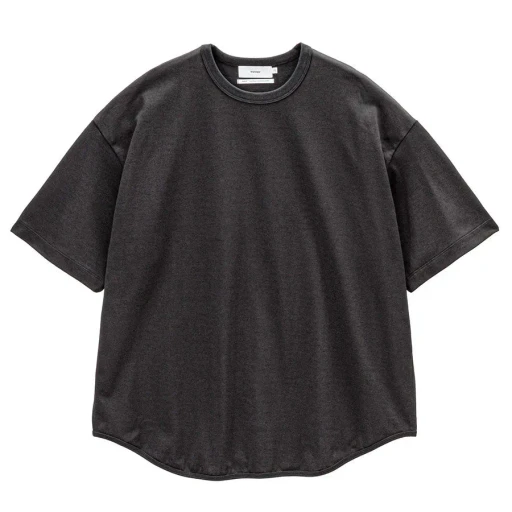
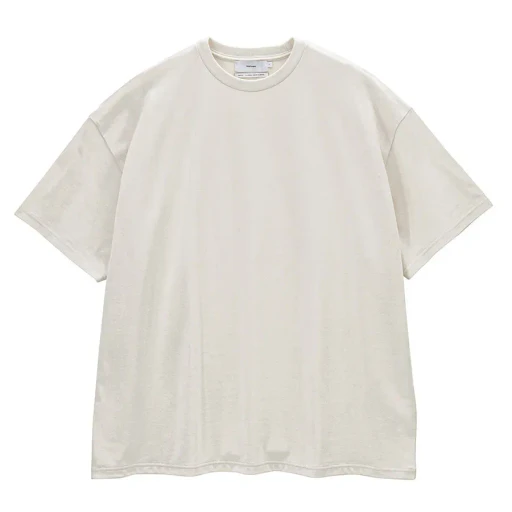
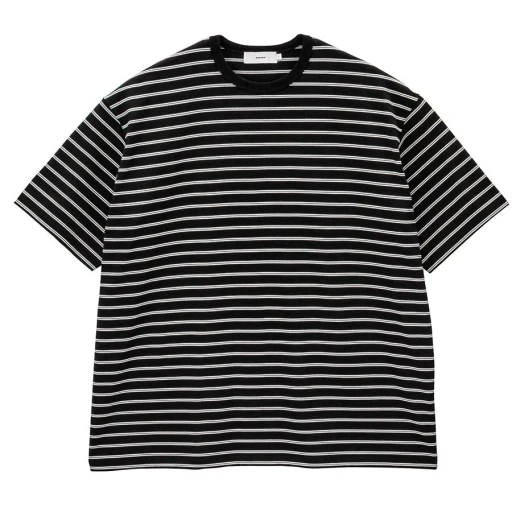
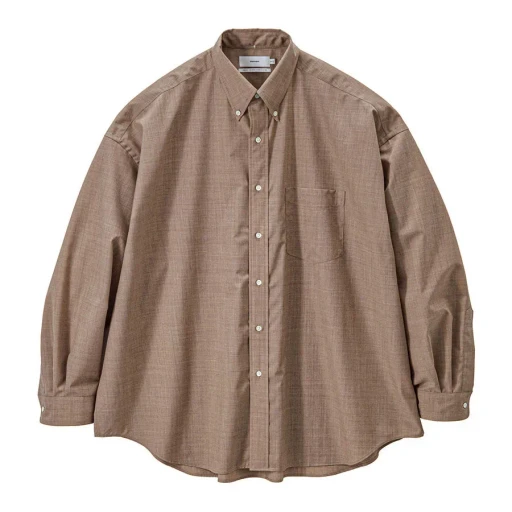
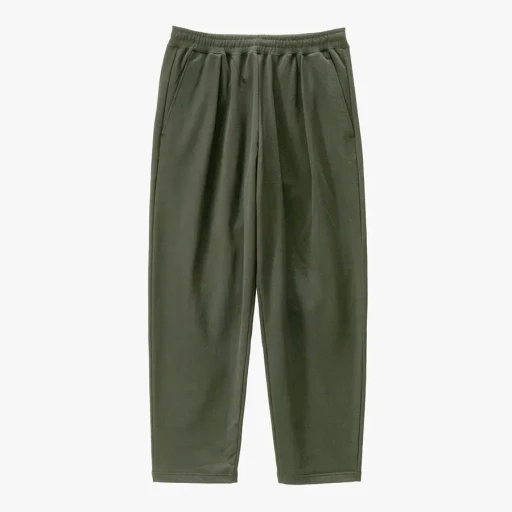
That preference is structural, not just a stated aesthetic. Roughly half of any given Graphpaper season is made up of items already established as house staples, and a piece typically goes through six to twelve months of fitting and fabric revision before it earns that status—a slower, more repetitive process than a typical seasonal design cycle allows. The effect is a wardrobe built by accretion: new pieces are tested against, and often folded into, a core the brand keeps rather than a collection it discards each season. (EVERMADE)
Minami extends the same conviction to retail itself. His stated personal motto is "行かな分からんな"—roughly, "you won't understand unless you go"—and he has argued that no digital channel replaces the experience of a physical shop; when he opened a newer Graphpaper location built around made-to-order and alteration services, he described its guiding idea as appealing to all five senses at once, something only a room a customer stands inside can do. He also deliberately avoids conventional shopping streets, preferring addresses that read as though they had always belonged to their neighbourhood rather than announcing themselves as retail. (HONEYEE.COM)
Collaboration as ordinary practice
Working with other manufacturers has been part of Graphpaper's practice from early on, rather than a later marketing device layered onto an established brand. Japanese retail calls this kind of project 別注 (betchū)—an item made to a retailer or brand's own specification by an outside manufacturer, distinct from a full co-branded line carrying both names equally. In November 2019, for FUTUR's fifth-anniversary pop-up, Graphpaper produced its own capsule alongside separate collaboration capsules from Mizuno, Helly Hansen and others—a continuing relationship with Mizuno that Graphpaper has returned to since. The same event also carried a capsule from Auralee, a contemporary Tokyo label sharing the bill rather than working directly with Graphpaper on that occasion. (Mastered)
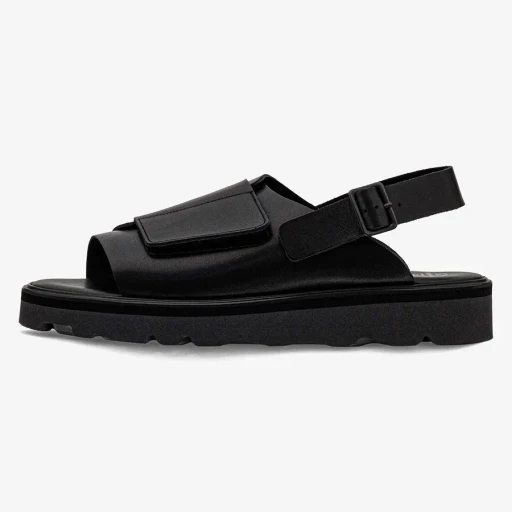
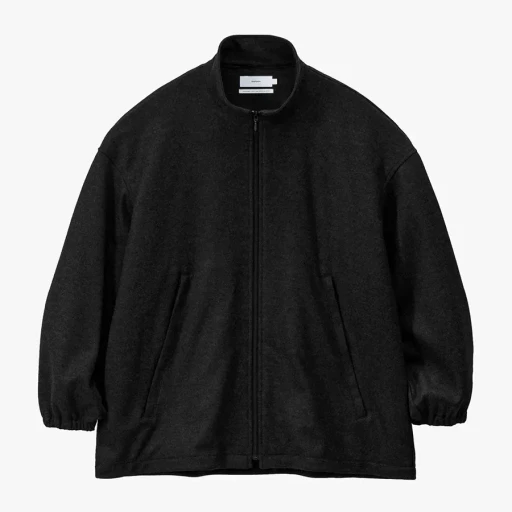
Later collaborations have run in both directions—apparel houses making things for Graphpaper, and Graphpaper's own line reworked by others. Graphpaper has produced footwear and outerwear projects with Foot the Coacher (leather shoes), Descente (water-resistant outerwear), Normal Expert (technical shirting) and Kiito (reconstructed jackets), and has run an ongoing sneaker line with Puma. (Fashion Press)
Two collaborations stand out for how directly they mark Graphpaper's own anniversary calendar. In March 2025, to mark ten years since Graphpaper Aoyama opened, the brand announced its first collaboration with the French label CASEY CASEY, a four-piece capsule of a coat, a jacket, a shirt and trousers cut from four different fabrics. Separately, the Tokyo label YOKE has repeatedly reworked Graphpaper's own seasonal themes into capsule collections under its own name, including a November 2022 release inspired by the artist Georgia O'Keeffe and a further capsule for the 2026 pre-spring season. Graphpaper has also produced footwear collaborations more conventionally aimed at sneaker retail, including a Jack Purcell loafer made with Converse. (Hypebeast Japan; HONEYEE.COM; QUI; SNKRDUNK)
Beyond Graphpaper: alpha's other work
Graphpaper is Minami's best-known project but not his only one. He also creatively directs FreshService, and his company alpha has produced a run of retail and branding projects beyond clothing: he was creative director of Hibiya Central Market, a curated select shop with gallery functions opened on the third floor of Tokyo Midtown Hibiya in partnership with the bookseller Yurindo, and he has been total branding director for the Kyoto coffee company Ogawa Coffee Laboratory since 2018. Most recently, he partnered with NEAT's designer Taishi Nishino to launch TAP WATER, a project built around turning closet basics into activewear. According to WWDJAPAN, Graphpaper alone accounts for roughly sixty percent of alpha's revenue, with alpha's PR division separately representing around thirty-five brands. (WWDJAPAN)
Reading the labels: mainline, Graphpaper −, and the collaborations
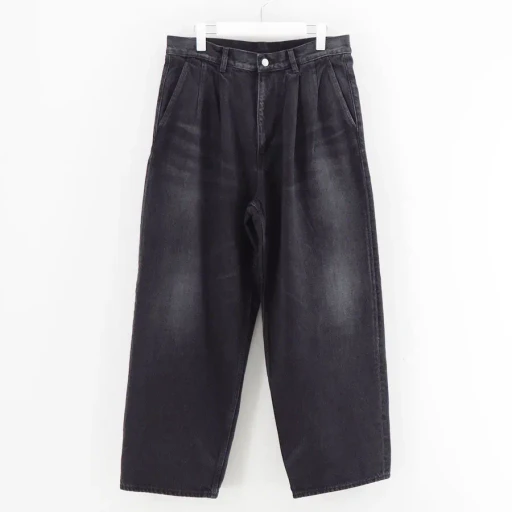
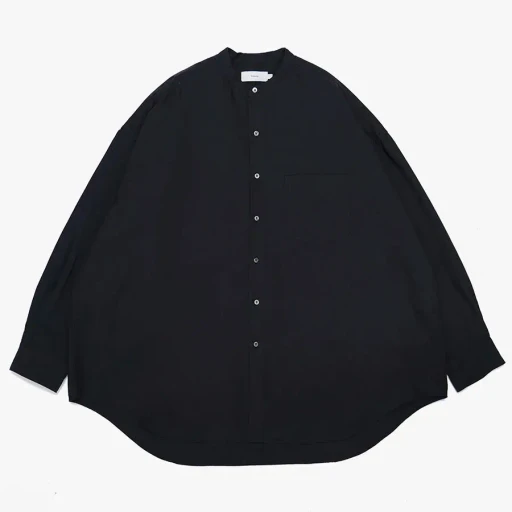
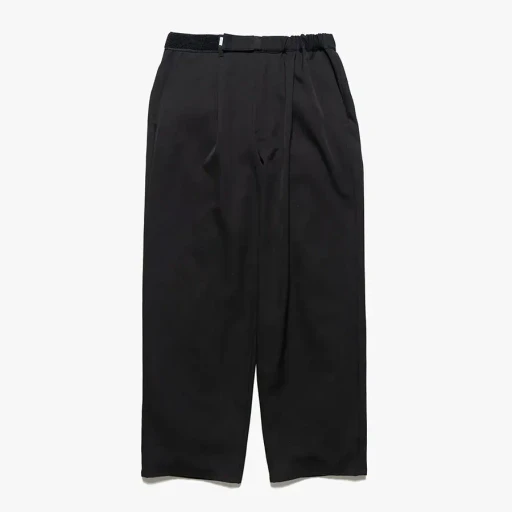
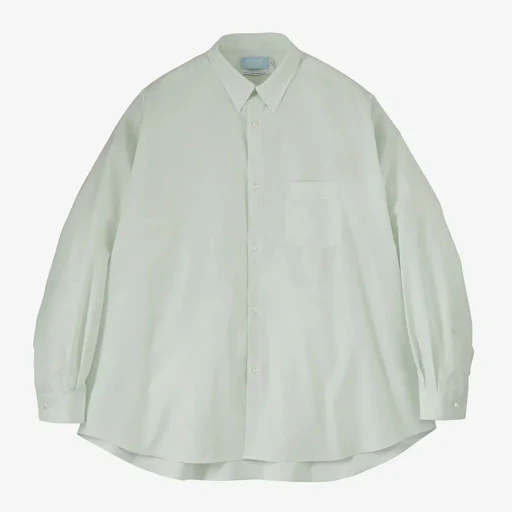
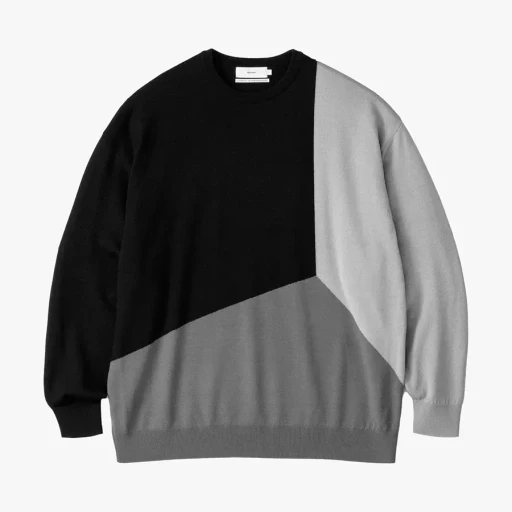
For a Graphpaper piece bought secondhand, the first question is which line it belongs to. The mainline—simply Graphpaper—covers the brand's regular seasonal releases and its established staples, cut for both men and women without a strict gendered size range. In 2026 the brand introduced a subsidiary label, Graphpaper − ("Graphpaper Minus"), launched through a new concept space called Graphpaper Conservatory in Tokyo's Okushibuya district; the sub-label is pitched around a narrower set of especially considered, long-life pieces rather than a full seasonal range, so a "−" mark on a tag or hangtag identifies that line specifically rather than an error or a knockoff. (Fashion Press)
Collaboration pieces are usually labelled plainly with both names—Mizuno for Graphpaper, Graphpaper × CASEY CASEY, and so on—and carry the partner's own construction and sizing conventions rather than Graphpaper's house pattern, so fit cannot be assumed to match a mainline piece of the same nominal size. Because roughly half of any Graphpaper season is carried-over staples rather than new design, a "basic" item's silhouette can recur across several years with only small revisions to fabric or fit; that makes a hangtag season code, not the garment's general look, the more reliable way to date an individual piece. Graphpaper only began selling wholesale in 2017, so pieces sold through other retailers, rather than Graphpaper's own shops, should be assumed to postdate that year. (EVERMADE; WWDJAPAN)
References
- Yukihisa Takei. "南貴之という多面体 前編." HONEYEE.COM, 15 June 2022.
- Yukihisa Takei. "南貴之という多面体 後編." HONEYEE.COM, 16 June 2022.
- Yukihisa Takei. "HONEYEE.COM PROFILES.02 alpha co.ltd. 代表 クリエイティブディレクター 南貴之." HONEYEE.COM, 24 December 2024.
- Keita Miki / Mastered編集部. "南貴之とGraphpaper." Mastered, 3 February 2016.
- 100%LiFE. "Graphpaper −1− 南貴之が自身初のショップ「グラフペーパー」をオープン." 16 March 2015.
- Tadashi Minoshima (美濃島匡). "「グラフペーパー」南貴之×「レショップ」金子恵治 敏腕ディレクターに聞く、"売れる商品"の作り方." WWDJAPAN, 15 December 2023.
- Takafumi Hojoh. "「グラフペーパー」が10周年を機にパリに初進出。ディレクターの南貴之に聞く、現地の手応えとは?" UOMO, 11 October 2025.
- Yukihisa Takei. "南貴之がリアルな店舗体験にこだわる理由." HONEYEE.COM, 9 June 2023.
- Yukihisa Takei. "'原宿で最も辿り着きにくい店' 南貴之に聞く、グラフペーパーの現在." EVERMADE, 20 March 2019.
- Fashion Press. "グラフペーパー: Graphpaper." Accessed September 2026.
- Nobuyuki Shigetake / Mastered編集部. "Graphpaper、AURALEEなど錚々たる顔ぶれとFUTURがコラボレーション." Mastered, 25 November 2019.
- Hypebeast Japan. "Graphpaper が CASEY CASEY と初のコラボレーションを発表." March 2025.
- HONEYEE.COM. "GraphpaperとCASEY / CASEYによる初のコラボレーション." March 2025.
- QUI. "YOKE × Graphpaperコラボ新作・芸術家ジョージア・オキーフの作品を着想に得たアイテムを発売。" 26 November 2022.
- SNKRDUNK. "Graphpaper × Converse Jack Purcell Loafer 2colors." Accessed September 2026.
- Native name
- 南貴之