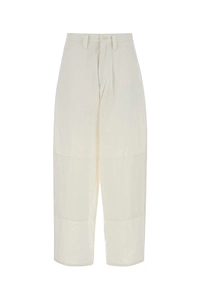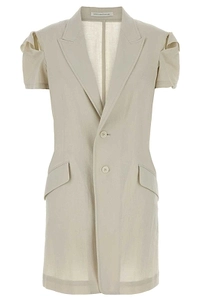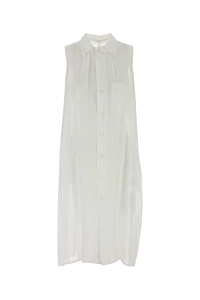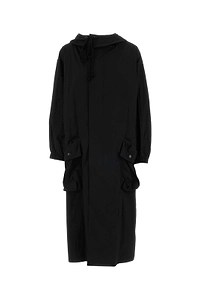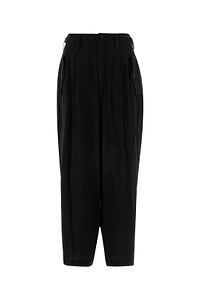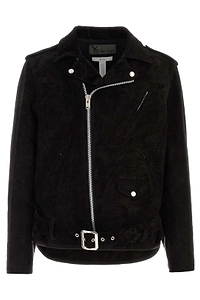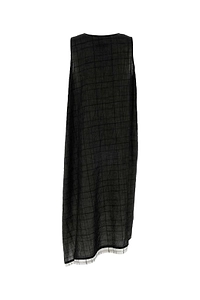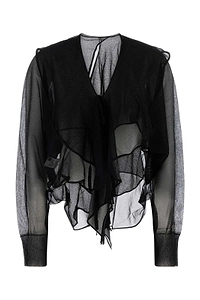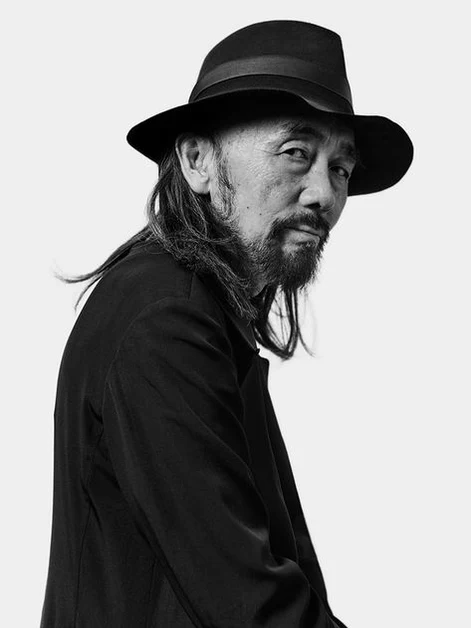
Yohji Yamamoto
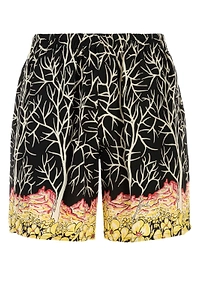
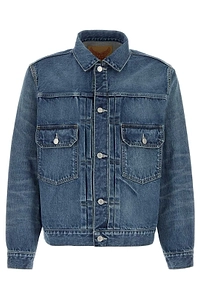
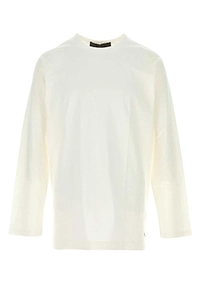
Japanese designer behind Y's, Yohji Yamamoto and Y-3, known for sculptural black tailoring, generous volume and clothing built around movement.
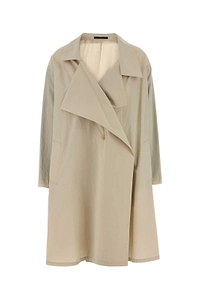
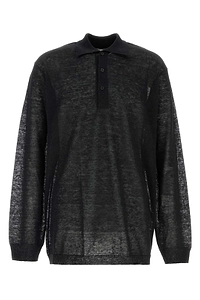
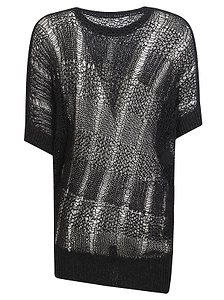
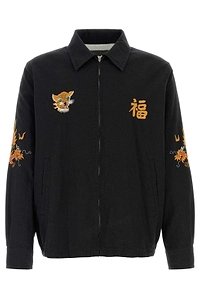
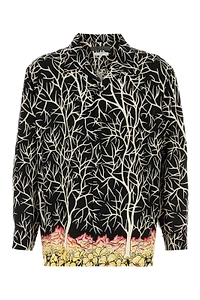
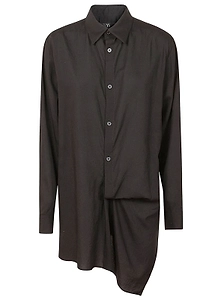
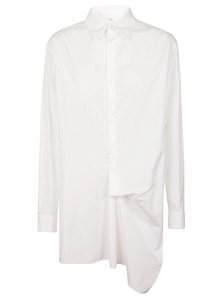
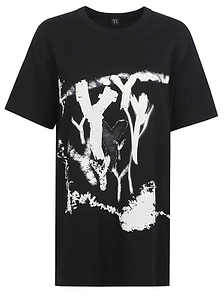
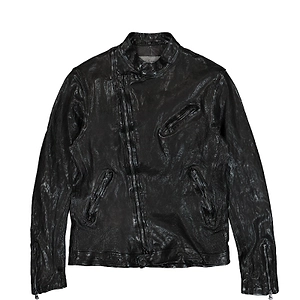
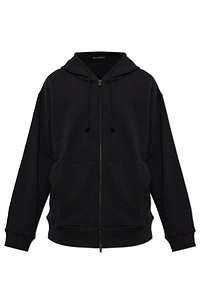
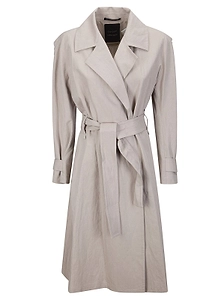
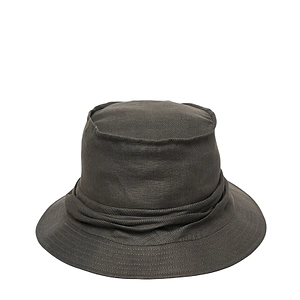
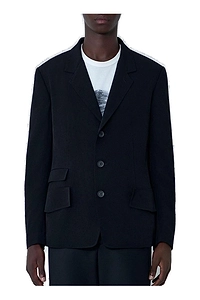
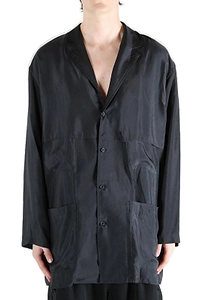
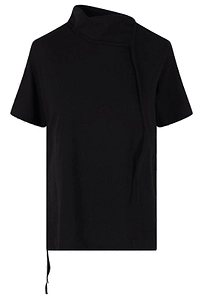
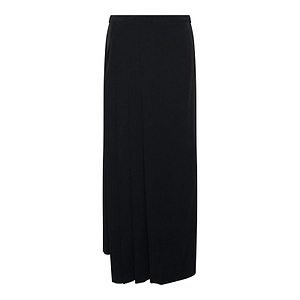
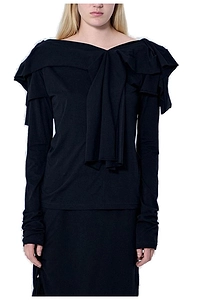
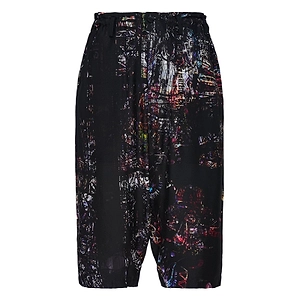
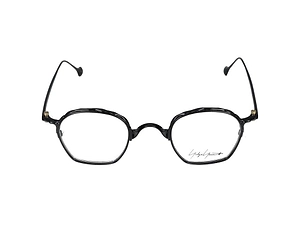
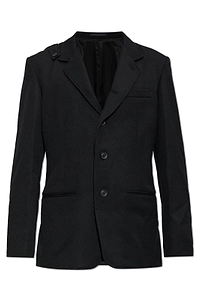
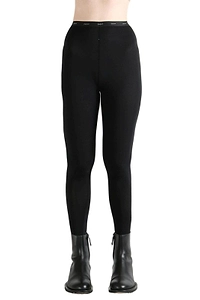
Yohji Yamamoto is the designer of Y's, Yohji Yamamoto and Yohji Yamamoto Pour Homme, and has directed the adidas collaboration Y-3 since 2002. More than four decades after his Paris debut, he still works through cutting, cloth and the body rather than rotating the house around seasonal logos. Black wool gabardine, displaced closures, long layers and generous volume are signatures, but they are means rather than a uniform: Yamamoto uses the space between fabric and wearer to give a person privacy, movement and presence. (Yohji Yamamoto; Vogue Japan)
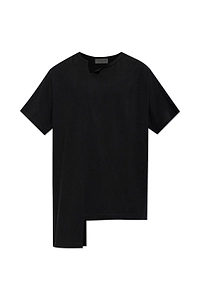
He is routinely paired with Rei Kawakubo under the phrase “the Japanese designers who brought black to Paris”. They did arrive in the same period and overturned similar Western assumptions, but their clothes ask different questions. Kawakubo often breaks the category of clothing itself; Yamamoto remains deeply attached to tailoring, drape and the life a garment acquires through wear. His jackets may be asymmetrical or apparently unfinished, yet the shoulder, balance and fall of the cloth are controlled with a dressmaker's precision. (Sō-en Online; Vogue Japan)
Law, dressmaking and his mother's shop
Yamamoto was born in Tokyo in 1943. His father did not return from the Second World War, and his mother supported the family through dressmaking. After graduating in law from Keio University in 1966, he followed her to Bunka Fashion College. He graduated from its design course in 1969 after winning both the So-en Prize and Endo Prize, the latter enabling a period in Paris. (Bunka Fashion College; Yohji Yamamoto; GQ Japan)
Paris confronted him with an industry already moving from the couture methods he had studied towards designer ready-to-wear. Back in Tokyo he worked in his mother's dressmaking shop in Kabukicho, where the expectation that womenswear should make its client decorative or sexually pleasing troubled him. He began instead from the idea of masculine clothes made for independent women: covered rather than exposed, practical without being ordinary, and strong without copying a man's suit. He established Y's in 1972 and presented his first Tokyo collection in 1977. (WWD Japan; Vogue Japan)
The shock was space as much as colour
Yamamoto showed in Paris in 1981 and New York in 1982. His early international collections used black and other muted colours, washed or irregular surfaces, flat shoes and volumes that stood apart from the fitted, polished and brightly coloured fashion dominant at the time. Critics reached for terms such as “ragged”, “poor” and “Hiroshima chic”; Japanese customers dressed in black were labelled the カラス族 (karasu-zoku), or “crow tribe”. The language often revealed more about European expectations of Japanese designers than it explained the work. (Yohji Yamamoto; Sō-en Online; Le Monde)
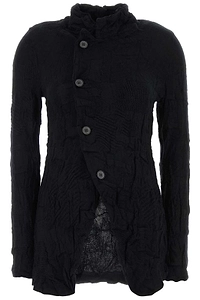
The structural challenge was the room Yamamoto gave the wearer. An oversized coat does not dictate one ideal waist, breast or hip; it changes with gait, posture and layering. Asymmetry keeps a garment from resolving into a static front view. Washed wool, linen and cotton can crease and soften instead of requiring the wearer to preserve a pristine surface. Bunka's account of the period describes his cutting as a liberation of women's bodies from the established Western female image. (Sō-en Online)
Black also has a practical richness in Yamamoto's work. For decades he has worked with textile makers on wool gabardines whose density, finish and movement distinguish one black garment from another. The colour withdraws from immediate spectacle, allowing cut and texture to emerge slowly. In his own account, it grew from a desire to assist a self-possessed woman rather than decorate her for an observer; it carries freedom together with responsibility, not simple mourning. (WWD Japan; GQ Japan)
Tailoring as memory and resistance
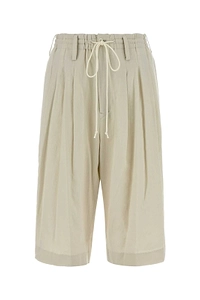
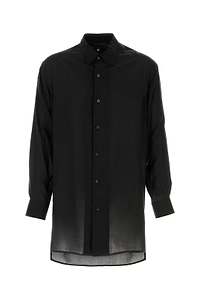
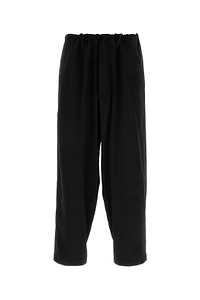
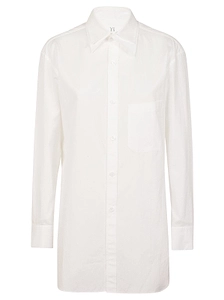
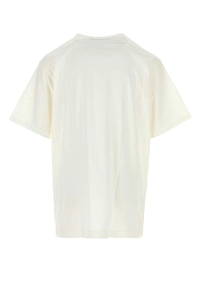
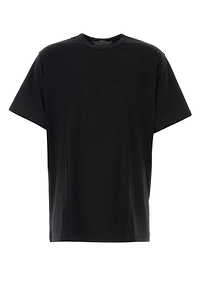
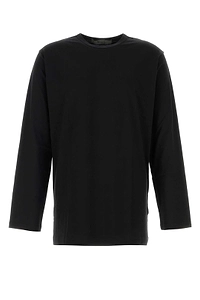
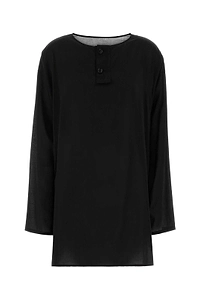
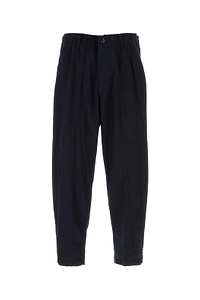
Yohji Yamamoto Pour Homme began showing in Paris in 1984. It brought the same concern with movement to menswear: broad or dropped shoulders, wrapped fronts, very full trousers, long shirts and coats, and tailoring that can recall work clothes, military uniforms or nineteenth-century dress without behaving as costume. The best pieces feel old and unfinished in the temporal sense—as though they had a life before the shop and will be improved by another one after it. (Yohji Yamamoto; Sō-en Online)
On 1 June 1991, Yamamoto and Kawakubo jointly staged 6.1 The Men at the Meiji Jingu swimming pool in Tokyo. The pairing has encouraged later histories to flatten their work into a shared Japanese aesthetic, but the event is better understood as two independent companies asserting that experimental menswear could command its own public spectacle. Yamamoto's contribution kept returning to the lived suit: cloth allowed to hang, wrap and weather rather than armour a conventional business body. (Fashion Press Japan; Bunka Gakuen)
Two collections Yamamoto himself singled out show the range of that argument. For Autumn/Winter 1994–95 and Spring 1995 at the Sorbonne, he placed kimono-derived construction against a hall filled with monuments to Western intellectual tradition. For Spring 1999 he built an entire show around the wedding dress, usually a runway finale: garments were unfastened and transformed on the body, exposing the ritual as both clothing and performance. (WWD Japan)
His resistance is not a rejection of beauty or skill. It is directed at fashion's speed, prescribed desirability and disposability. Yamamoto has argued that selecting one garment amounts to selecting a way of life, and he returns to nomadic or working dress because clothes made for necessity accumulate force that styling alone cannot reproduce. The romanticism in that position should not be mistaken for careless manufacture; its worn appearance depends on exact pattern cutting and unusually developed cloth. (WWD Japan; Vogue Japan)
Film, performance and Y-3
Wim Wenders made Yamamoto's process the subject of the 1989 film Notebook on Cities and Clothes. Yamamoto later designed costumes for productions including Puccini's Madama Butterfly in Lyon, Wagner's Tristan und Isolde at Bayreuth, Pina Bausch's Tanztheater Wuppertal, Ryuichi Sakamoto's opera LIFE, and Takeshi Kitano's films Brother, Dolls and Zatoichi. These are not side projects detached from the clothes: movement, character, ageing and the difference between a garment seen close and a silhouette seen across a stage are central to his fashion practice. (Yohji Yamamoto)
Y-3 began after Yamamoto approached adidas about making footwear for his collection; adidas for Yohji Yamamoto shoes appeared in 2001 and the joint label launched in 2002. Its name combines Yamamoto's initial with adidas's three stripes. Long before “luxury sportswear” became a routine category, Y-3 treated sports engineering and fashion authorship as one continuing collection rather than an occasional trainer collaboration. (Yohji Yamamoto; WWD Japan)
The company crisis and the work after it
In October 2009, the former Yohji Yamamoto company filed for civil rehabilitation in Tokyo with debt reported at roughly ¥6 billion. Investment firm Integral acquired the business through a new company that December and stated that it would support Yamamoto and his daughter Limi as designers. The distinction is important: the corporate entity and financial ownership changed, but Yamamoto did not leave the design role or end the house. (Integral; J-Cast News)
The following April, Pour Homme returned to Tokyo for The Men 4.1 2010 Tokyo, his first menswear show there in nineteen years. The company has since expanded through online and accessibly priced projects while the Paris womenswear and menswear collections continue. In interviews Yamamoto still describes each collection as opposition—to injustice, complacency and his own previous answers—rather than as maintenance of a heritage formula. (Yohji Yamamoto; GQ Japan)
Reading the Yohji labels
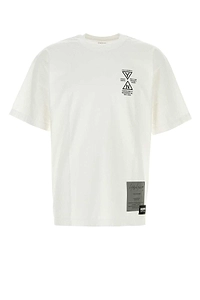
The full label name is essential. Y's predates the Paris namesake collection and has its own atelier-led wardrobe identity. Yohji Yamamoto is the main womenswear runway line; Yohji Yamamoto Pour Homme is the men's runway collection. Y-3 is co-authored with adidas and should not be catalogued as mainline. Discord, Regulation, Ground Y, S'YTE, Wildside and the relaunched Y's for men each have different launch dates, product intentions and price levels. The Yohji Yamamoto line guide maps the current and archived names. (Yohji Yamamoto)
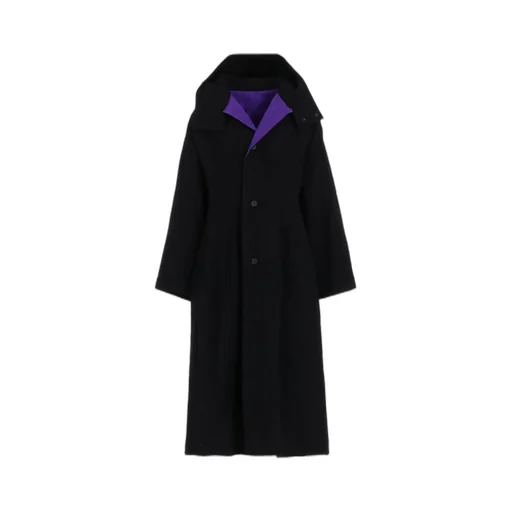
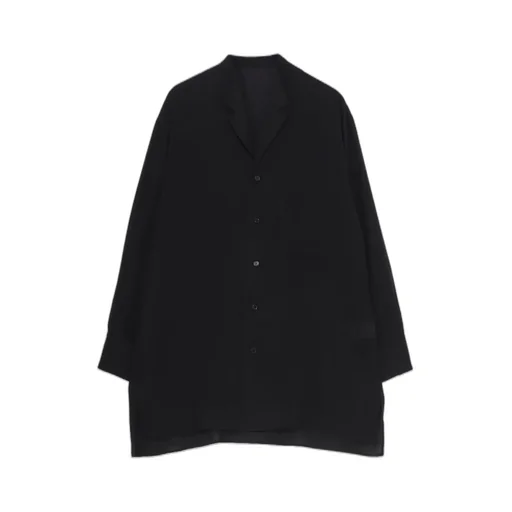
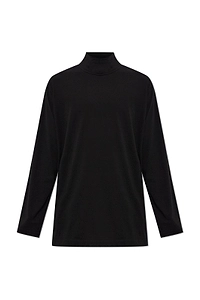
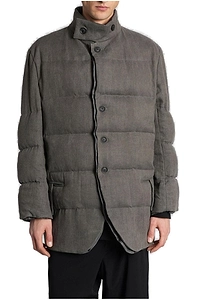
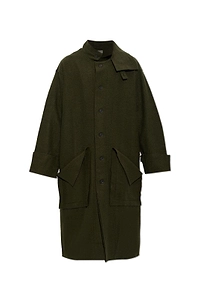
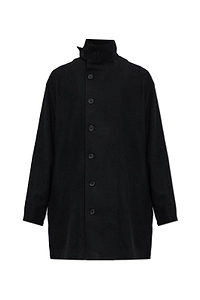
An oversized black wool coat cannot be dated by appearance alone. Compare the exact line label, care tag, product number, fibre content and country of manufacture; archive runway images can then test a likely season. For Y-3, adidas article codes and footwear size labels provide a different dating system. A piece's line is evidence of its authorship context, while the founder's continuing tenure by itself does not prove that he personally drafted every commercial item. (Yohji Yamamoto)
References
- Yohji Yamamoto Inc. “About Designer: 山本耀司.” Accessed September 2026.
- Vogue Japan. “レジェンド、山本耀司の服作りが意味すること.” 27 January 2018.
- WWD Japan. “23歳の記者から山本耀司へ37の質問.” 31 July 2016; updated 1 August 2024.
- Masafumi Suzuki. “永遠の反逆児、山本耀司さんにインタビュー.” GQ Japan, 13 September 2018.
- Sō-en Online. “文化服装学院出身デザイナーが作った、現代日本ファッションの潮流.” 1 February 2023.
- Bunka Fashion College. “卒業生 山本耀司氏 特別講義 レポート.” November 2011.
- Akio Otsuka. “山本耀司、ウールを語る.” GQ Japan, 19 July 2016.
- Integral Corporation. “株式会社ヨウジヤマモトへの投資実行について.” 1 December 2009.
- J-Cast News. “ヨウジヤマモト民事再生法申請負債60億円.” 10 October 2009.
- Valentin Pérez. “Yohji Yamamoto, the wise warrior of fashion.” Le Monde, 2 October 2025.
- Born
- October 3, 1943
- Native name
- 山本耀司
- Education
- Keio University, Law (1966)Bunka Fashion College, Fashion design (1969)
- Awards
- Mainichi Fashion Grand Prix, 1986 and 1994Ordre des Arts et des Lettres, Commandeur, 2011