
Issey Miyake is a family of distinct labels, not one collection sold at different prices. Issey Miyake mainline, Pleats Please, Homme Plissé, me ISSEY MIYAKE, IM MEN, BAO BAO, A-POC ABLE, 132 5., and HaaT have separate briefs, materials, and product systems. The official brand index presents them as a family of parallel labels rather than a main collection with cheaper diffusion tiers.
Issey Miyake, the designer, died on August 5, 2022. He began transferring day-to-day collection work in the mid-1990s while continuing to direct research and development through Miyake Design Studio. The house has since built a succession model in which named directors and specialist teams carry different parts of his design system forward.
The Issey Miyake line family at a glance
| Line | Started | For | Designed by (current) | Wardatrobe catalog |
|---|---|---|---|---|
| Issey Miyake (mainline) | 1971 | Women's ready-to-wear | Satoshi Kondo, since Spring/Summer 2020 | 547 articles |
| Homme Plissé Issey Miyake | 2013 | Men's pleated everyday wear | Brand design team | 781 articles |
| Pleats Please Issey Miyake | 1993 | Women's pleated everyday wear | Brand design team | 375 articles |
| BAO BAO ISSEY MIYAKE | 2010 (as a standalone line) | Bags, not clothing | Brand design team | 390 articles |
| me ISSEY MIYAKE | 2000 | Women's casual basics, lower price than mainline | Brand design team | 177 articles |
| IM MEN | 2021 | Team-designed menswear | In-house design team | 158 articles |
| A-POC ABLE ISSEY MIYAKE | A-POC project from 1998; current brand from 2021 | Material research and garment engineering | Yoshiyuki Miyamae and a specialist team | 99 articles |
| HaaT | 2000 | Women's textile-led clothing, Japan/India craft | Makiko Minagawa | 88 articles |
| 132 5. ISSEY MIYAKE | 2010 | Fold-engineered garments that move between 2D and 3D | An in-house team, developed with Issey Miyake | 52 articles |
| GOOD GOODS ISSEY MIYAKE | 2018 | Accessories developed around material and construction ideas | Studio-led | Wardatrobe brand page available |
| ISSEY MIYAKE FÊTE | Early 2000s | Women's occasion pieces using pleating and textile effects | Historical line | 0 indexed articles |
For Homme Plissé, Pleats Please, BAO BAO, 132 5., and GOOD GOODS, official materials present the work through the label and its development team rather than a single current creative-director credit.
Who designs the Issey Miyake mainline now?
The official company history dates the mainline to 1971, when Issey Miyake showed his first collection in New York. Miyake ran the design himself through the 1970s and '80s, then handed off day-to-day design work earlier than most people assume:
- Mid-1990s — Naoki Takizawa assumed responsibility for the men's collection.
- Spring/Summer 2000–Spring/Summer 2007 — Takizawa directed the women's collection.
- Autumn/Winter 2007–Autumn/Winter 2011 — Dai Fujiwara directed womenswear.
- Spring/Summer 2012–Autumn/Winter 2019 — Yoshiyuki Miyamae directed womenswear.
- Spring/Summer 2014–Autumn/Winter 2020 — Yusuke Takahashi directed ISSEY MIYAKE MEN.
- Since Spring/Summer 2020 — Satoshi Kondo has directed the mainline womenswear collection.
The name on a post-1990s label therefore identifies the house, not necessarily a garment drawn by its founder. Miyake still contributed research and oversight after the handovers, so the date alone cannot separate his influence from the succeeding director's work. The Miyake Design Studio chronology records that transition in detail.
The through-line: garment-first pleating
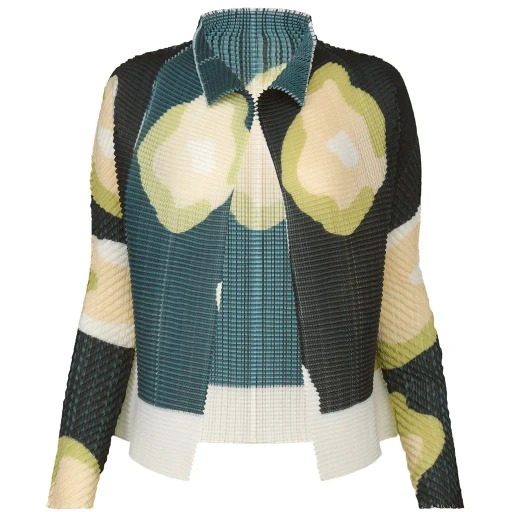
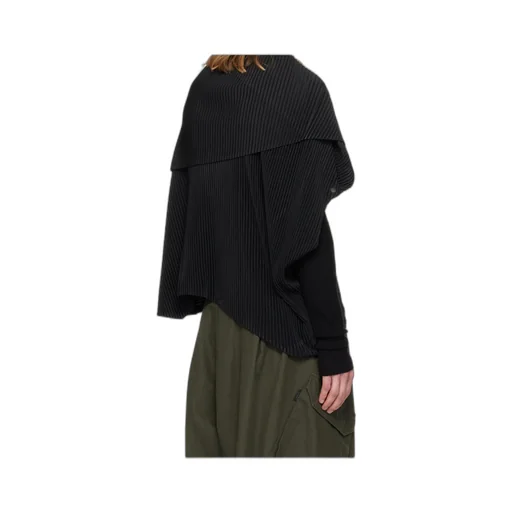
Pleats Please and Homme Plissé both use a technique the brand calls "product pleating" (製品プリーツ): the fabric is cut and sewn into a finished, oversized garment first, then the whole piece is sandwiched between paper and run through a heat press that sets the pleats permanently into that shape. This is the reverse of pleating a flat length of fabric and then cutting a garment from it — product pleating is why the pieces keep their pleat pattern through machine washing and don't need ironing.
Issey Miyake first showed the product-pleating idea in 1988. The relevant Japanese patent record was filed in 1989 and later published and granted; 1993 marks the public launch of Pleats Please, not the patent date. The first independent Pleats Please collection followed for Spring/Summer 1994.
132 5. and A-POC ABLE are not variations on this — they're different manufacturing ideas entirely, covered in their own sections below.
Pleats Please Issey Miyake: the original, for women, since 1993
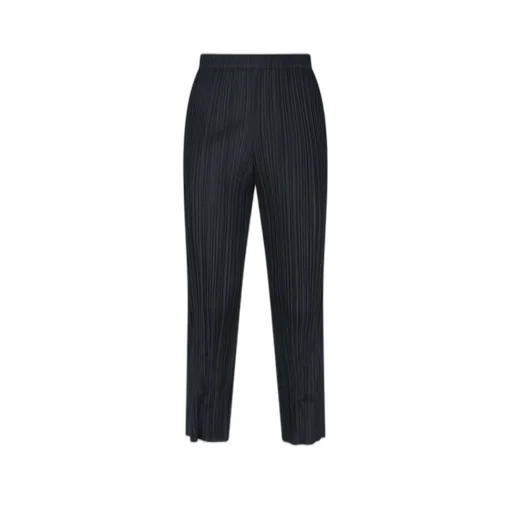
Pleats Please launched in 1993 around the product-pleating system, with its first independent collection for Spring/Summer 1994. It is womenswear—dresses, tops, and pants made for movement, easy packing, and routine care. On our catalog, current listings for Pleats Please pants run roughly $195–$735, positioning it below many mainline pieces while remaining a premium designer label.
Pleats Please is presented as a studio-led continuation of the label's original pleating research, with the brand design team carrying the collection rather than a single public creative-director credit.
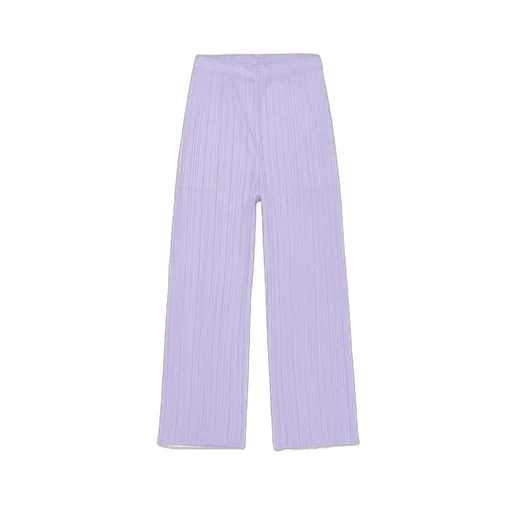 Pleats Please Issey Miyake Pleats Please Issey Miyake Pleated Straight Leg Pants
  Pleats Please Issey Miyake Pleats Please Issey Miyake Thicker Bottoms 1 Pants
 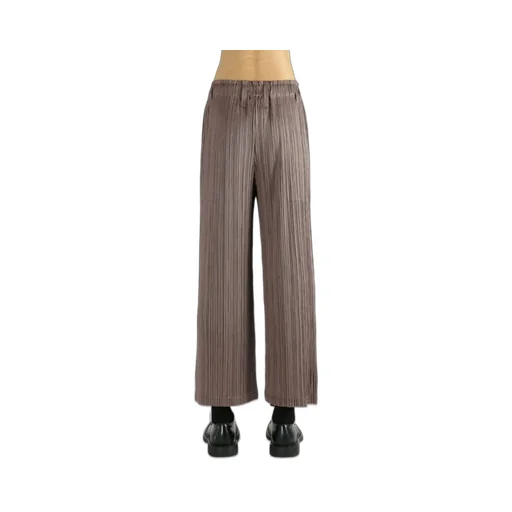 Pleats Please Issey Miyake Pleats Please Issey Miyake Drawstring Pants
 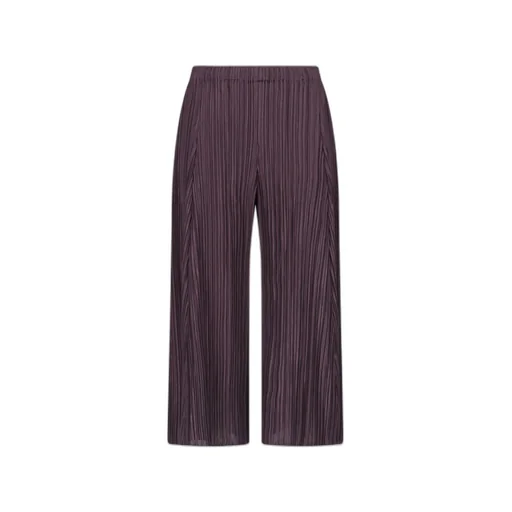 Pleats Please Issey Miyake Pleats Please Issey Miyake Mellow Pleats Pants
Homme Plissé Issey Miyake: the men's version, since 2013
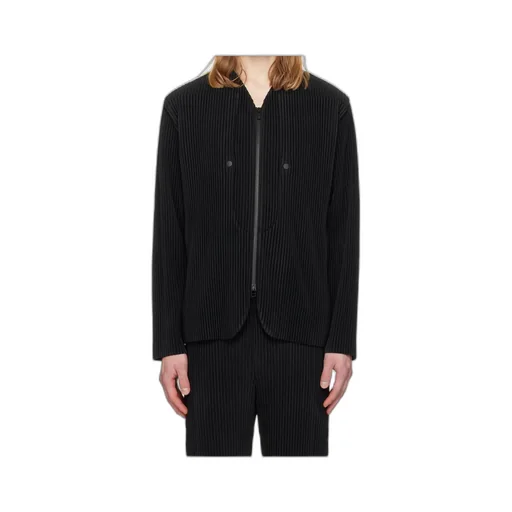
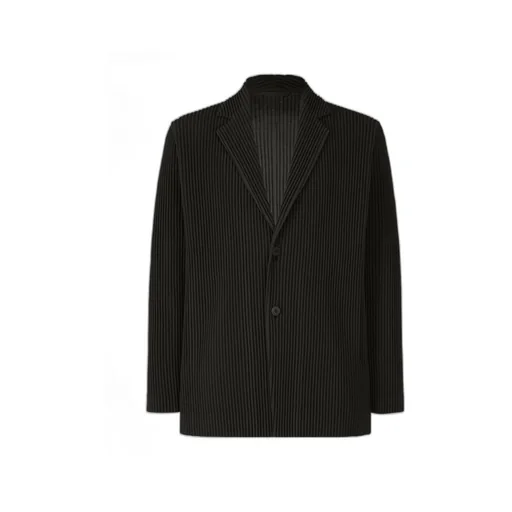
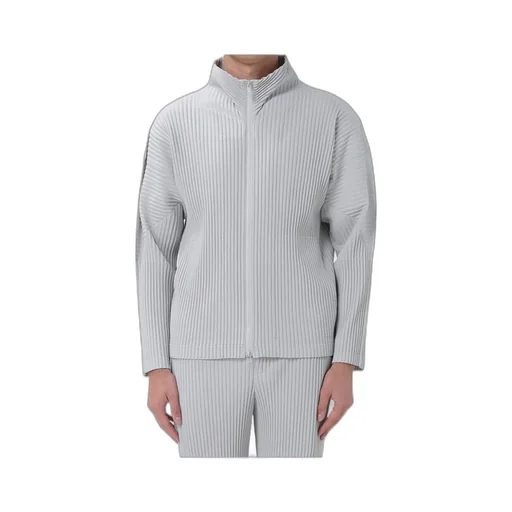
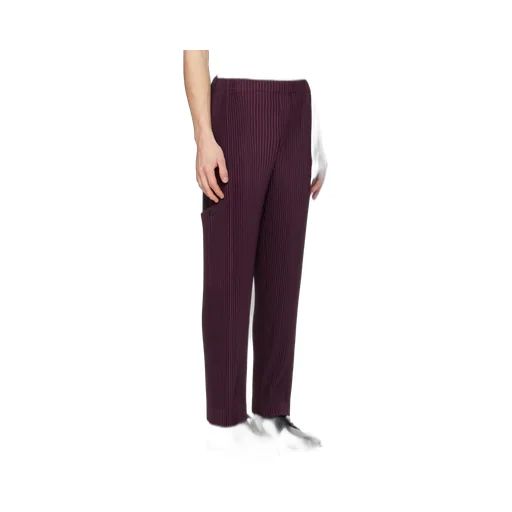
Homme Plissé applies the product-pleating system to menswear and launched in 2013, twenty years after Pleats Please. Its light, wrinkle-resistant clothes are built for movement and regular wear. Official care guidance generally calls for cold machine washing, drying in the shade, and avoiding ironing or steam; always follow the care label on the individual garment.
Homme Plissé uses a numeric sizing scale (1 through roughly 4 or 5, depending on the style) instead of S/M/L. That scale is specific to Homme Plissé's own body chart — it is not the same 1–5 scale you'll see used loosely across other Japanese labels, and it doesn't match me ISSEY MIYAKE's sizing either. For the actual height, waist, and garment-length numbers, see our Homme Plissé Issey Miyake sizing guide rather than guessing from a size number alone.
me ISSEY MIYAKE: compact everyday clothing
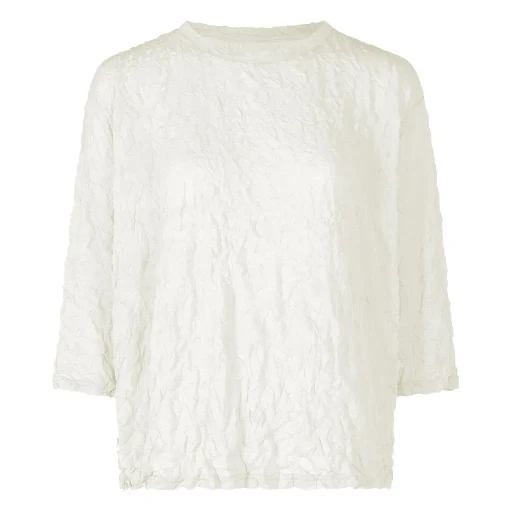
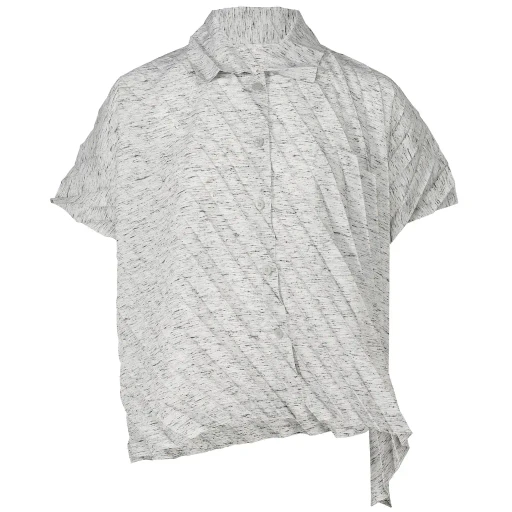
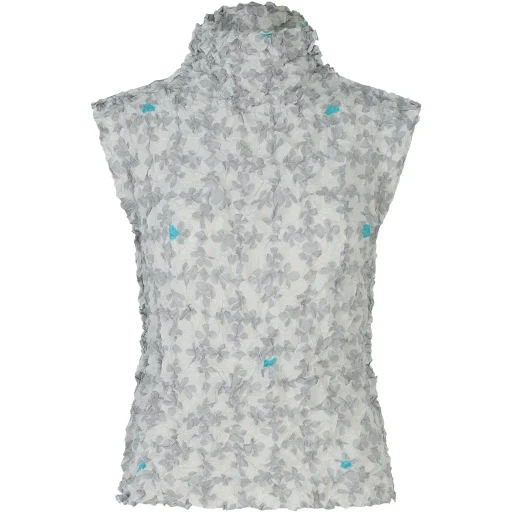
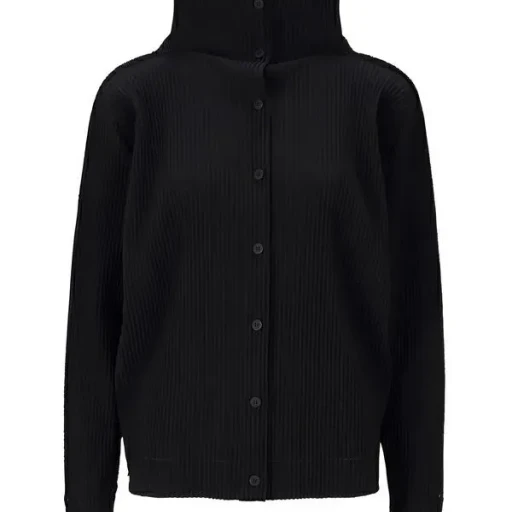
me ISSEY MIYAKE launched in 2000 as compact everyday womenswear. Its signature Stretch Pleats run vertically and horizontally for multidirectional stretch, creating what the brand calls a "T-shirt-like" ease rather than the longer vertical drape associated with Pleats Please. The line emphasizes lightweight tops, color, and print.
It is one of the more accessible clothing lines in the family: me ISSEY MIYAKE T-shirts in our catalog sit around $119–$133, below a typical Pleats Please top or Homme Plissé jacket. Check the full label name when comparing prices because me ISSEY MIYAKE is a distinct current brand.
IM MEN: team-designed menswear
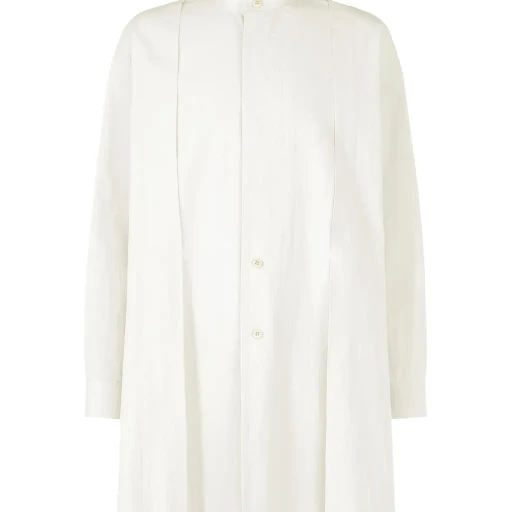
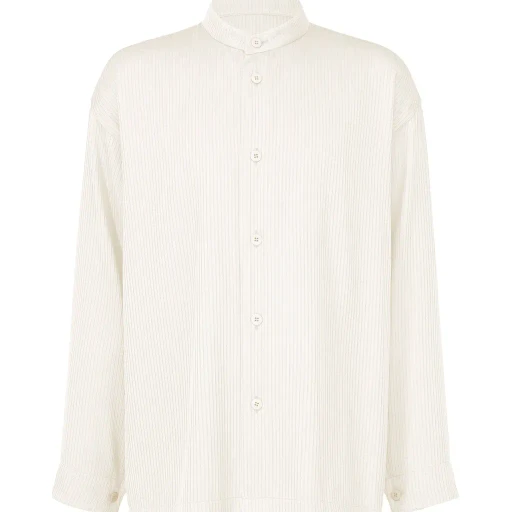
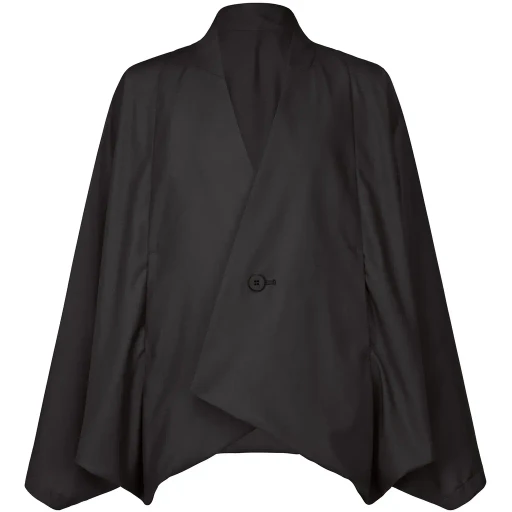
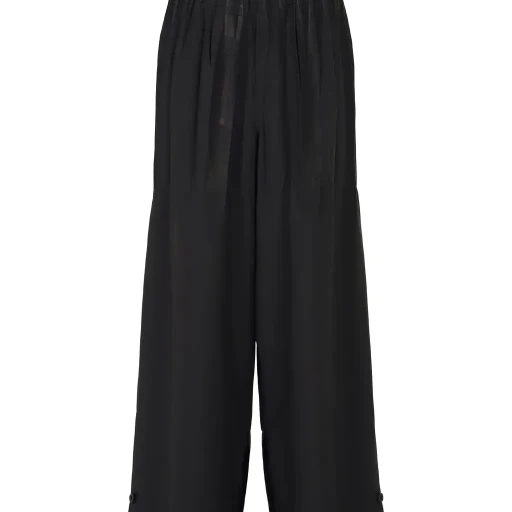
IM MEN launched in 2021 as the successor to the historical ISSEY MIYAKE MEN collection, which ran from 1976 through 2020. It is separate from Homme Plissé and uses a team structure built around construction, materials, and engineering. GQ Japan's 2026 profile names Sen Kawahara, Yuki Itakura, and Nobutaka Kobayashi as the design team. The name also recalls the earlier in-house brand "I'M."
BAO BAO ISSEY MIYAKE: bags, not clothing
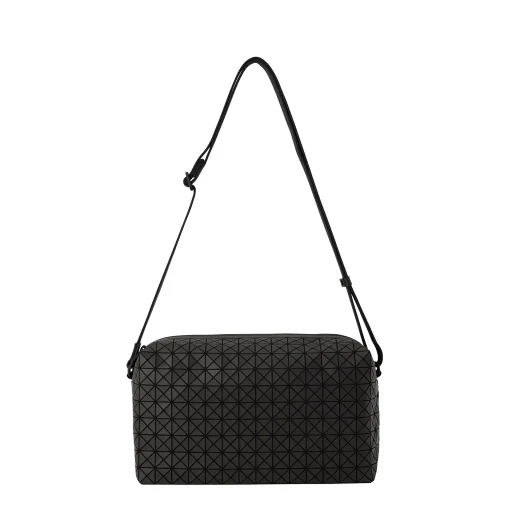
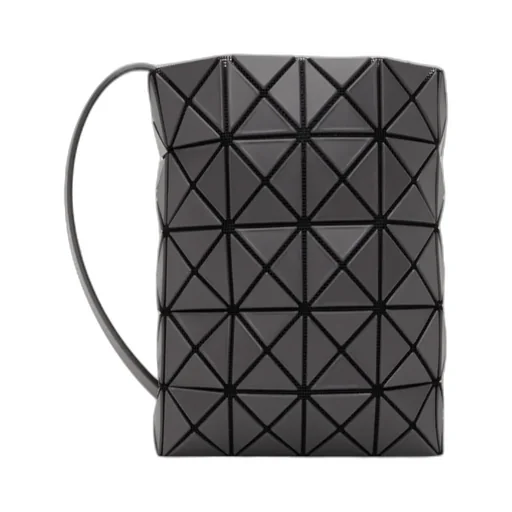
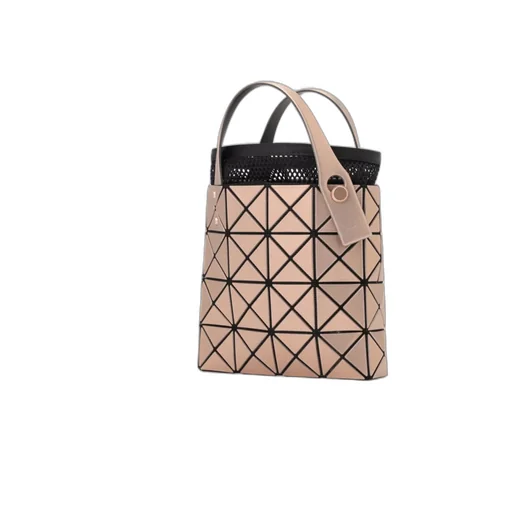
BAO BAO is a bag line — it doesn't make ready-to-wear at all, and it's easy to lose track of that when it gets folded into a general "Issey Miyake" write-up. The line grew out of a prototype and became its own standalone business in the 2010 autumn/winter season.
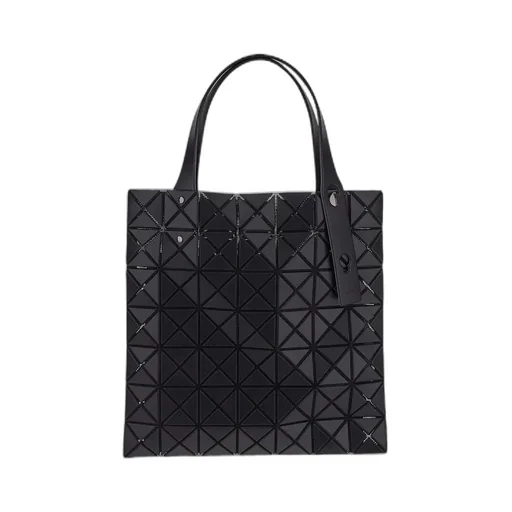
BAO BAO's signature construction joins triangular units in materials that vary by series into a flexible geometric surface. As the contents change, the units move at their joints and create different faceted forms. That system is separate from the product pleating used on the clothing side of the house.
A-POC ABLE ISSEY MIYAKE: a third, separate technology
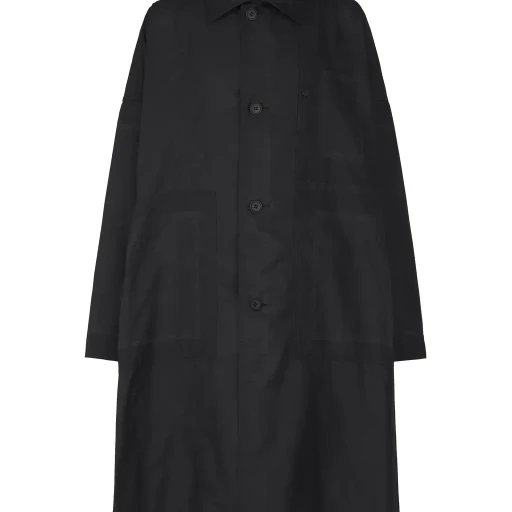
A-POC ABLE ISSEY MIYAKE grows from A-POC ("A Piece of Cloth"), a project that began in 1998. The original system knitted or wove a continuous tube with garment outlines embedded in it, allowing forms to be cut out with minimal sewing. The current A-POC ABLE brand launched in March 2021 under Yoshiyuki Miyamae and expands that idea through new fibers, finishing processes, partnerships, and digital fabrication. A-POC ABLE pieces therefore should not all be assumed to use the original cut-from-a-tube method.
A-POC ABLE organizes many projects as a Type plus a letter or number: Type-O 002, Type-U 001, Type-P 003, and Type-ⅲ Magarimono Project are examples in Wardatrobe. Searching the Type designation alongside the line name is often the fastest way to identify one of these pieces.
The Type system reflects the line's research structure: one project can produce several objects or garments from a shared material or construction study.
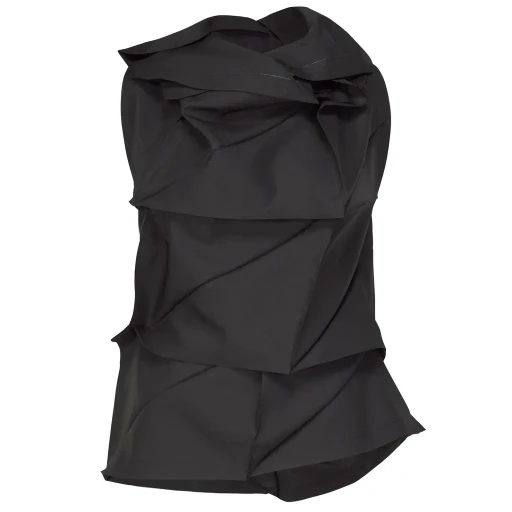
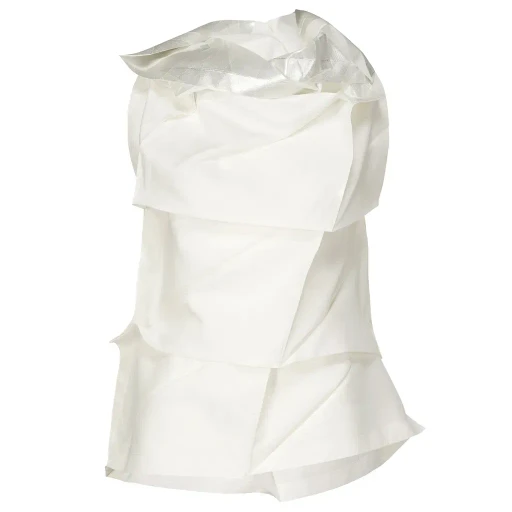
132 5. ISSEY MIYAKE: origami, not pleating or knitting
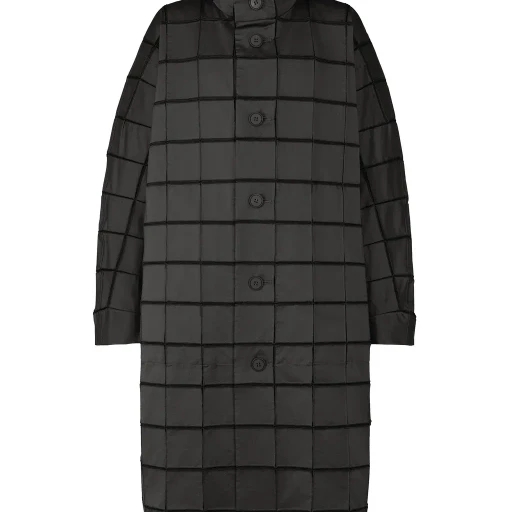
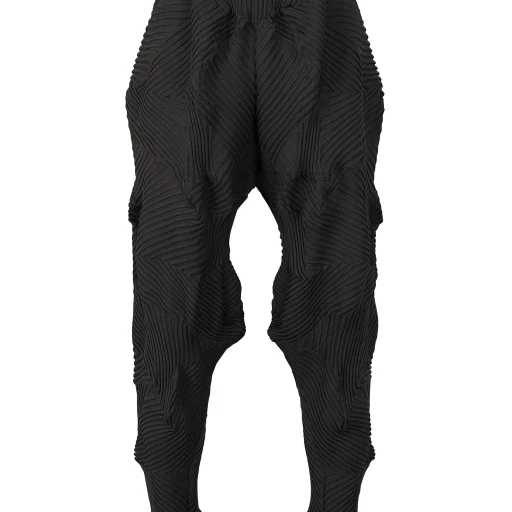
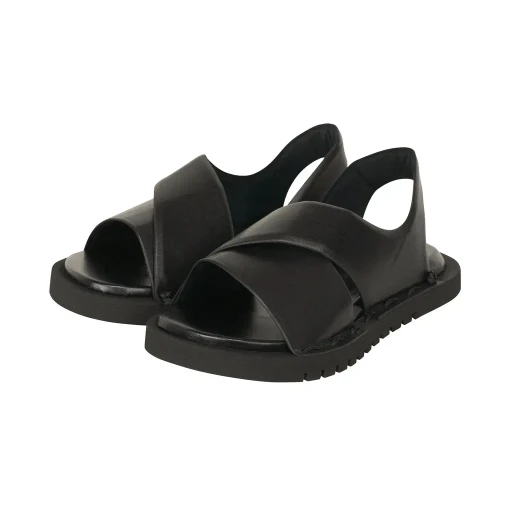
132 5. ISSEY MIYAKE launched in 2010 around garments engineered to move between flat geometric forms and three-dimensional clothing. Some use recycled PET, and the current collection also extends beyond a single material or folding method. The name is literal: "1" for one piece of cloth, "3" for its three-dimensional form, "2" for its ability to return to a flat form, and "5" for the dimension created by wearing it over time.
Fold engineering is the line's central idea, although individual pieces can also use knit and other constructions. The label name is a more reliable identifier than assuming every 132 5. garment will resemble origami.
HaaT: textile-first, designed by Makiko Minagawa
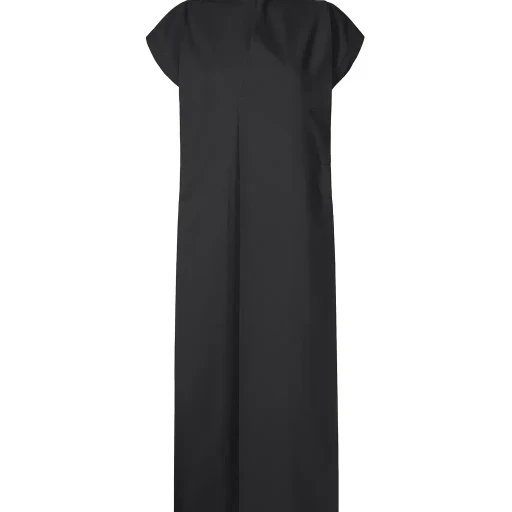
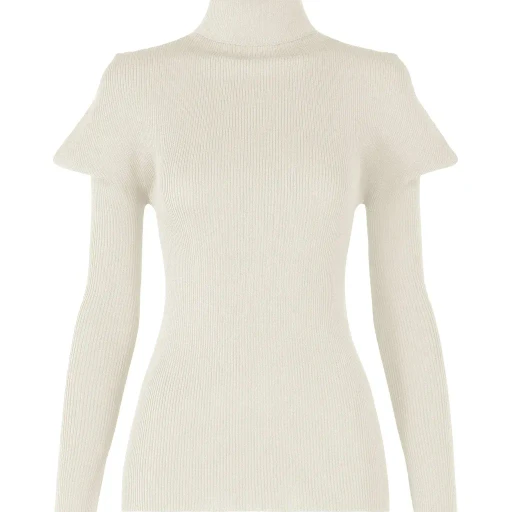
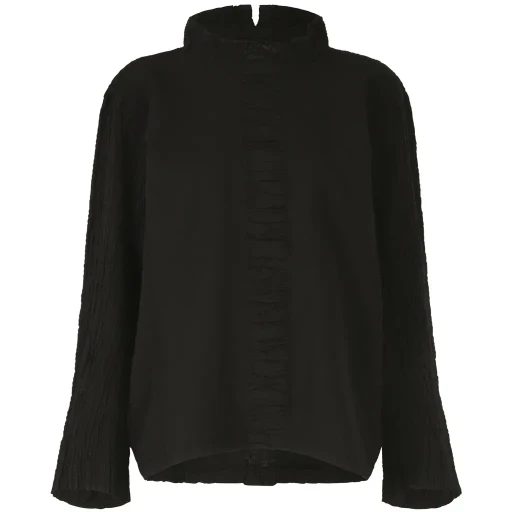
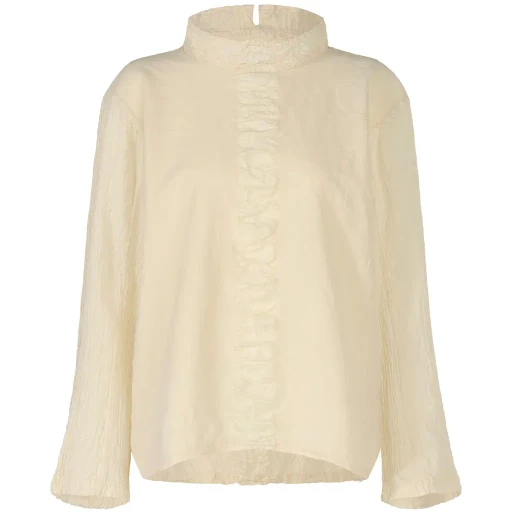
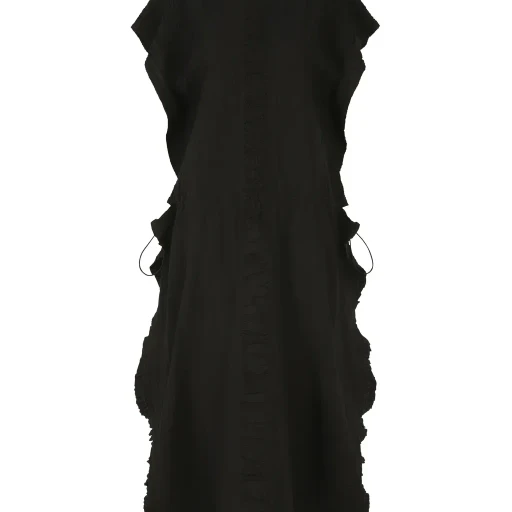
HaaT has been running since 2000 and is directed by Makiko Minagawa, Issey Miyake's longtime textile designer. It's built around fabric development done jointly with factories in Japan and India, favoring natural fibers and hand-craft techniques (weaving, dyeing) over the engineered pleating and knitting processes used elsewhere in the family. Since 2021 the brand has organized itself into three sub-groups — EVERY MONTH, EVERY WEEK, and EVERY DAY — for original pieces, higher-turnover daily pieces, and seasonal basics respectively.
GOOD GOODS and historical FÊTE
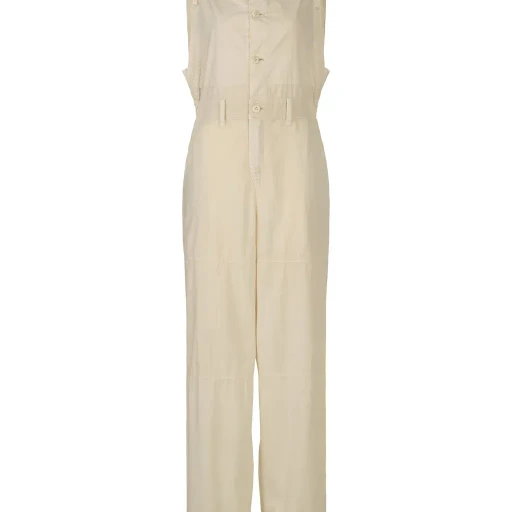
GOOD GOODS ISSEY MIYAKE began in 2018 and applies the group's material and construction research to bags and accessories. It belongs in the current family even though it is less visible in clothing-focused line guides.
The current collection family also extends through licensed specialist categories: ISSEY MIYAKE PARFUMS, ISSEY MIYAKE WATCH, ISSEY MIYAKE EYES, and ISSEY MIYAKE FOOT. These cover fragrance, watches, eyewear, and footwear respectively and should be cataloged under their complete line names.
ISSEY MIYAKE FÊTE is a historical womenswear line documented in early-2000s archives, including a 2002 Constellation series. It used pleating and textile effects for dressier clothing. FÊTE is absent from the current official brand index, and Wardatrobe currently has zero indexed FÊTE articles; that count describes our catalog coverage, while the archive establishes the line itself.
Reading the label
For the full decode — the line-prefix table, the year and season digits, and the tag details that resolve which decade a single-digit year belongs to — see our Issey Miyake tag dating guide.
If you're holding a piece and trying to work out which line it's from:
- Check the woven or printed brand name on the tag first — "ISSEY MIYAKE," "PLEATS PLEASE ISSEY MIYAKE," "HOMME PLISSÉ ISSEY MIYAKE," "me ISSEY MIYAKE," "IM MEN," "BAO BAO ISSEY MIYAKE," "A-POC ABLE ISSEY MIYAKE," "132 5. ISSEY MIYAKE," and "HaaT" are each printed as their own line name, not as a sub-line of "Issey Miyake."
- Match the construction to the technology, then confirm the label. Heat-set accordion pleats commonly point to Pleats Please or Homme Plissé. Fine bidirectional stretch pleats suggest me ISSEY MIYAKE. Folded geometry can point to 132 5., while movable triangular units identify many BAO BAO bags. Textile-led craft details are common in HaaT.
- Use price as context, not proof. Compare a listing with Wardatrobe observations for the same line and product category, since materials and collaborations can move prices substantially.
- A numbered size (1–5) is never a universal Issey Miyake scale. Homme Plissé, me ISSEY MIYAKE, and other lines each define their own numeric range against their own body chart. Check the specific line's chart — starting with our Homme Plissé sizing guide if that's the line on your tag — rather than converting across lines.
Add Your Pieces to Wardatrobe
Create a free Wardatrobe account and catalog the pieces you own in your digital wardrobe. For clothing, record the tagged size and mark the fit as true to size, runs small, or runs large. These entries help Wardatrobe build better reference and sizing data across every Issey Miyake line. Already a member? Open your wardrobe.